superfood book
Don’t worry, there is no “super food” in the world that can cure all diseases. All ingredients with this name are essentially a type of food with a nutritional density much higher than that of ordinary ingredients. When used correctly, they are extremely cost-effective dietary supplements. If they are deceived by marketing and taken as a “health miracle”, it is 100% IQ tax.
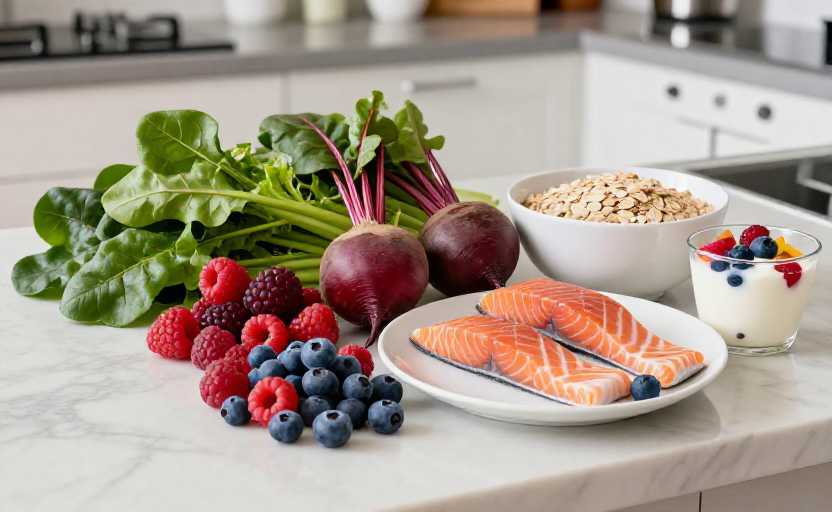
A few years ago, I helped my sister who is a registered dietitian compile the national food nutrition database. I was really shocked when I saw the test data of kale for the first time. The vitamin K content is 8.7 times that of loose leaf lettuce, the dietary fiber is 32% higher than spinach, and the flavonoid antioxidants are more than ten times that of ordinary cabbage. At that time, I followed the trend and bought two cans of imported kale freeze-dried powder. I mixed it with milk every morning and drank it. The taste was really like squeezing the juice of freshly cut grass and pouring it into my mouth. Within half a month of drinking it, I started experiencing acid reflux. I went to see a doctor and found out that someone like me, who has a weak spleen and stomach all year round, simply cannot handle such cold ingredients every day.
Don’t tell me, I’m not the only one who has been in trouble. The controversy over superfoods has been going on for almost ten years with no results. Empiricalists who do nutritional research speak with solid test data: Quinoa is currently the only cereal that contains complete protein. The amino acid ratio almost perfectly matches the needs of the human body, making it suitable for vegetarians or people who do not consume enough daily protein. ; The content of Omega3 unsaturated fatty acids in chia seeds is twice that of salmon. It also contains no cholesterol and is very friendly to people with high triglycerides. ; Even the acai berry, which has been criticized badly before, has an anthocyanin content of more than three times that of ordinary grapes. These are hard data measured in the laboratory and there is nothing to argue with. I accompanied my pregnant cousin for a prenatal check-up a while ago. Her blood sugar was on the high side, so the nutritionist specifically asked her to add one-third of quinoa to white rice. After eating it for three weeks, she went for a follow-up check. After the meal, her blood sugar was really stable. This is a real effect.
But scholars from the other school of public health are right to criticize: the words “super food” itself are marketing gimmicks created by capital. I have been to a berry planting base in Yunnan before when I was working on the topic of traceability of agricultural products. Local farmers said that when acai berries were popular a few years ago, imported freeze-dried powder could sell for thousands of yuan per kilogram. In fact, the anthocyanin content of Yunnan blueberries grown at the same latitude is 17% higher than imported acai berries, and the selling price is only one-tenth of it. Moringa seeds have been popular in the past two years, saying that eating them can lower blood sugar and blood pressure. I checked the relevant literature on CNKI and found that there is currently not enough large-scale clinical data to support this effect. Instead, there are many reports of adverse reactions such as abdominal pain and diarrhea after consumption. Last week, I went to the fresh food supermarket downstairs, and saw a promoter leading a group of aunts to sell a "Super Food New Year Gift Box". A small pack of quinoa, two boxes of frozen blueberries, and half a can of chia seeds were sold for 298. I picked up the quinoa and looked at the place of origin. I saw that it was from the same production area as the one I bought for 30 yuan a pound before. There was not even a numerical difference in the nutritional content. The extra 200 yuan was not the IQ tax of the word "super".
To be honest, I won’t beat all superfoods to death with one stick now. I still have two packages of quinoa and a can of chia seeds in the cupboard at home all year round. Sometimes I am too lazy to prepare dishes for stewing rice, so I throw in a handful of quinoa, which is enough protein and dietary fiber.; I usually bring chia seeds with me when I go on business trips. Sometimes I can’t make it in time for meals. So I take a spoonful and soak it in mineral water for two minutes. It’s a filling meal replacement. It’s much healthier than eating energy bars filled with additives.
Oh, yes, there is another very interesting point. My friend who is a Chinese medicine practitioner has never been too cold about these imported super foods. Last time I showed him kale, he said that it is similar in nature and flavor to our local gray cabbage. They are both cool in nature and sweet in taste, and can clear away heat and relieve constipation. However, if people with weak spleen and stomach, frequent diarrhea, or aunt pain, eating too much will only aggravate the symptoms. There is no such thing as "the king of vegetables that everyone should eat". You see, this is true. It is a fact that the nutritional community says that it is highly nutritious, and it is also true that Chinese medicine says that it is not suitable for some people. There is no good thing that is universally applicable.
In fact, after reading so much information and going through so many pitfalls, I feel that "superfoods" should not be imported products that are superior to others. Among the purple potatoes, broccoli, and black sesame seeds we often eat, which one is not a "local superfood" with a nutritional density far higher than that of ordinary ingredients? To put it bluntly, instead of blindly buying and selling according to the list of Internet celebrities, it is better to first figure out what is missing and suitable for your own diet structure, and then choose according to your needs - after all, the real "super" is never the effect of a certain ingredient, but a balanced and diverse diet structure that suits you.
Disclaimer:
1. This article is sourced from the Internet. All content represents the author's personal views only and does not reflect the stance of this website. The author shall be solely responsible for the content.
2. Part of the content on this website is compiled from the Internet. This website shall not be liable for any civil disputes, administrative penalties, or other losses arising from improper reprinting or citation.
3. If there is any infringing content or inappropriate material, please contact us to remove it immediately. Contact us at: