
Elderly people often eat these ten kinds of food, which makes their hearts ache
Black sesame seeds are rich in vitamin E, which plays a huge role in maintaining the elasticity of blood vessel walls. In addition, it is rich in α-linolenic acid, which can also lower blood pressure and prevent thrombosis. Because the nutrients of black sesame seeds are hidden in the seeds. Therefore, it must be broken out of the shell to be effective. It is recommended to fry it first to make it pop, or grind the black sesame seeds into powder before eating.
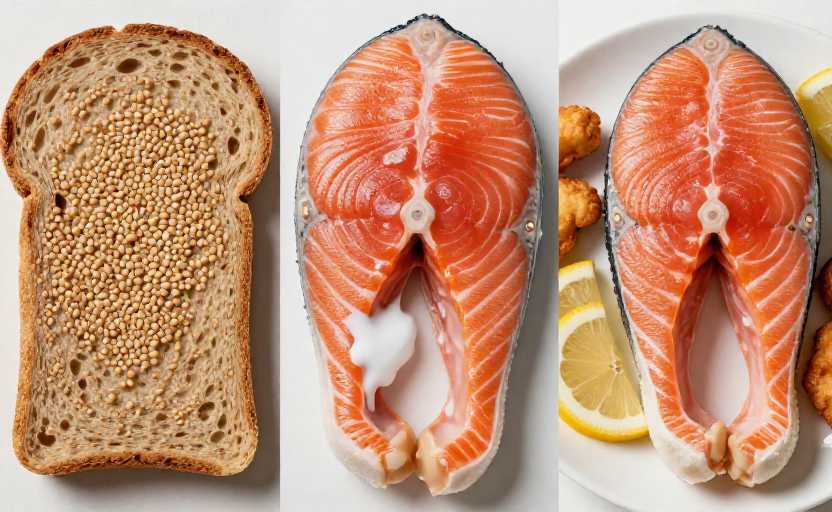
Oats are rich in linoleic acid and B vitamins, which can prevent the formation of atherosclerotic plaques. In addition, because oats contain a large amount of water-soluble fiber, which can reduce blood cholesterol levels, regular consumption of oats can provide a balanced diet, balanced nutrition, and prevent high blood pressure and cardiovascular and cerebrovascular diseases. disease . Oatmeal can be cooked with water or milk, and nuts or fresh fruits can be added to make it nutritious and delicious. In addition, eating whole wheat bread also has the same effect.
Fish is lower in fat and saturated fatty acids than most meats, especially marine fish, which has a higher content of omega-3 fatty acids, which can increase "good" cholesterol in the blood and help remove "bad" cholesterol. Research shows that this fatty acid can also reduce the risk of stroke, which is one of the reasons why countries and peoples who eat more sea fish have lower stroke rates. It is best to steam marine fish to maximize the protection of the nutrients in it from damage.
Soybeans and their products contain a variety of essential amino acids and unsaturated fatty acids, which can promote the metabolism of fat and cholesterol in the body and keep the cardiovascular system smooth. When eating, in addition to processing soybeans into soy milk, tofu, and tempeh, they can also be made into soybeans and rice. When cooking rice, first heat the soybeans blister For more than 4 hours, change the water and add rice to cook. This can dissolve the gas-producing polysaccharides in the soybeans to avoid bloating.
Spinach and Carrots Spinach is rich in folic acid. Studies have shown that taking folic acid can reduce the risk of heart disease by 25%. The carotene in carrots can be converted into vitamin A, which keeps blood vessels open and prevents strokes. Spinach contains a large amount of oxalic acid, which will hinder the absorption of calcium. It is best to blanch it in water before eating. Carrots need to be fried in oil so that the carotene can be truly absorbed by the body.
Black fungus contains a lot of colloid-like active substances, which can significantly shorten the coagulation time, dredge blood vessels and prevent thrombosis. Because black fungus has a unique two-way regulating effect of hemostasis and blood circulation, it is also known as a "natural anticoagulant" and is very useful for prevention and treatment. coronary heart disease It is very beneficial for cardiovascular and cerebrovascular diseases. But black fungus has the effect of softening stool and is easy to diarrhea Those should not eat.
Green tea is extremely rich in nutrients, the most worth mentioning of which are tea polyphenols. Studies have found that tea polyphenols can reduce the levels of cholesterol and triglycerides in the blood, prevent arteriosclerosis, lower blood pressure and blood lipids, and prevent and treat blood clots. Since tea polyphenols are not resistant to high temperatures, they cannot be brewed with boiling water. Brewing with warm water can better exert its health care functions. In fact, in addition to green tea, others such as black tea, scented tea, green tea (oolong tea), white tea, yellow tea and dark tea (Pu'er tea), etc., all have the effect of lowering serum cholesterol and triglycerides.
Broccoli is rich in nutrients, including vitamin C, beta carotene, fiber, calcium, potassium, etc. A medium-sized head of broccoli provides 220% of the daily vitamin C requirement and 15% of the daily vitamin A requirement (in the form of beta carotene), and is low in fat and energy. Beta carotene may reduce the risk of heart attack. In addition, the high content of fiber also helps reduce blood cholesterol levels.
Nuts Nuts such as almonds and peanuts are rich in heart-healthy amino acids and unsaturated fatty acids, which can reduce the risk of heart disease. Researchers at the Harvard School of Public Health looked at a group of heart attack survivors. The latest survey report found that eating 1/3 cup of dry beans every day can reduce the chance of another heart attack by 38%. Almonds, pecans and peanuts all help protect the heart, but you only need to eat 1 handful (about 42 grams) a day, not more.
Potatoes are also called potato and potato. This food contains more vitamin C, sodium, potassium, iron, etc., especially potassium, with 502 mg of potassium per 100 grams. It is a rare high-potassium vegetable. Patients with heart disease, especially cardiac insufficiency, are often accompanied by hypokalemia. Eating potatoes regularly can not only supplement potassium, but also supplement sugar, protein, minerals, vitamins, etc. But fried potato foods are harmful to the heart.
Disclaimer:
1. This article is sourced from the Internet. All content represents the author's personal views only and does not reflect the stance of this website. The author shall be solely responsible for the content.
2. Part of the content on this website is compiled from the Internet. This website shall not be liable for any civil disputes, administrative penalties, or other losses arising from improper reprinting or citation.
3. If there is any infringing content or inappropriate material, please contact us to remove it immediately. Contact us at:
