Type 2 diabetes diet plan
Control the total amount, adjust the structure, and stabilize the rhythm. The ultimate goal is to control post-meal blood sugar fluctuations within the individual target range set by the doctor without affecting daily nutritional intake and quality of life. All dietary plans that are divorced from personal islet function, medication status, and exercise habits are rogue.
I know Lao Zhou who has been suffering from diabetes for 12 years. When he was first diagnosed, he could only eat half a bowl of boiled vegetables and rice. He was so hungry every day that his fasting blood sugar often floated above 7.8. After being adjusted by the doctor for half a year, he now occasionally eats half a piece of mooncake during the Mid-Autumn Festival, and can also eat two slices of watermelon in the summer. His glycosylated hemoglobin has been stable at 6.2%, which is better than many new people with diabetes who dare not eat this or touch that.
Nowadays, there are always two completely different dietary ideas in the sugar circle, and no one can convince anyone. One is the low-carb or even ketogenic diet that has become very popular in recent years. It advocates reducing the proportion of daily carbohydrates to less than 20%, or even strictly within 10%, and relying on fat and protein for energy. Many young people with diabetes with acceptable pancreatic islet function rely on this to quickly reduce glycation and even stop taking oral medications. ; The other is a balanced diet that has been recommended by domestic clinical practice. Carbohydrates account for 45%-60% of total daily calories, combined with appropriate amounts of protein and fat. This plan has stable blood sugar levels and low risk of hypoglycemia. It is more suitable for older people, poor pancreatic islet function, and people who need to use their brains or take insulin for a long time. It also has higher long-term compliance. But neither plan is perfect. I have seen sugar lovers who blindly follow the trend of ketosis and take basal insulin without adjusting the dose. They almost have ketoacidosis and are sent to the emergency room. ; I have also seen people who eat strictly according to a balanced diet, but cook all the staple food to a pulp and finish the meal in 5 minutes. Their blood sugar levels still rise very high after the meal.
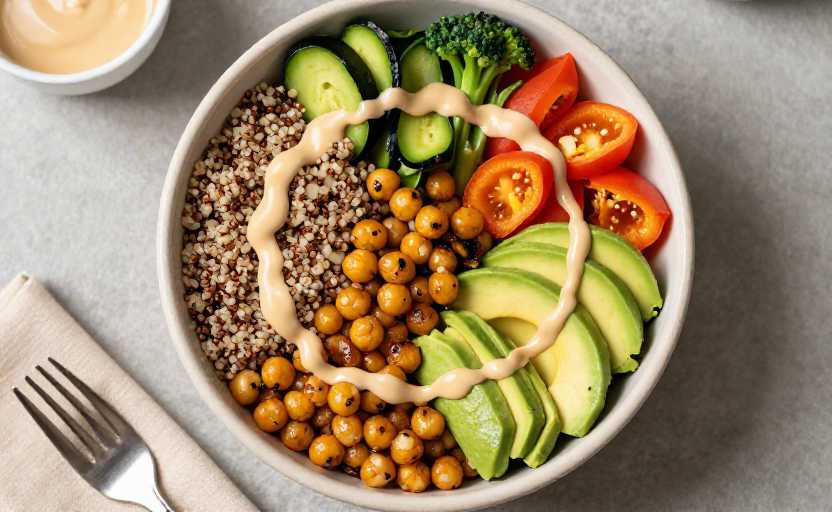
Take the staple food that everyone is most confused about. Don’t feel threatened when you hear about white rice and white noodles, and don’t think that whole wheat and multi-grain foods can be made casually. I once met a diabetic who ate brown rice every meal, two large bowls at a time, and his blood sugar after the meal was higher than that of the person who ate white rice. The problem was that the total amount was not controlled. In fact, calculating total calories does not need to be too complicated. Adults with light manual labor should eat about 150-200g of raw staple food every day, a piece of protein about the size of the palm of their hand, and a handful of vegetables, which is basically the same. If you want to exercise that day, eat less than half a bowl of staple food to avoid hypoglycemia. If you really like to eat white rice, add a handful of mixed beans every time you cook it, and cook the rice a little harder. Eat a small half bowl (raw weight is about 50g), with enough vegetables and protein, and the rate of raising blood sugar will be much lower than if you eat two large bowls of brown rice. There is also the porridge that everyone is afraid of. If it is not so bad, just drink half a bowl, with a boiled egg and a small plate of stir-fried spinach. Many old diabetics around me have tested it, and their blood sugar level is only 6.8 two hours after the meal. On the contrary, it is much more stable than those who eat two slices of whole-wheat bread with nothing else for breakfast.
Many people know to look at GI (glycemic index), but in fact GL (glycemic load) is more important. It is GI multiplied by the total amount of carbohydrates you eat and then divided by 100. For example, the GI of watermelon is 72, which is quite high, but if you only eat 100g of the part near the skin, the carbohydrates are only about 5g, and the GL is only 3.6. It has almost no effect on blood sugar, so you don’t have to be afraid to touch high-GI foods when you hear them, just control the amount.
There is also the eating order of "eat vegetables first, then meat, and finally staple food" that was very popular in the past. In fact, it does not work for everyone. Some people with diabetes have poor stomachs. Eating a large plate of cold vegetables on an empty stomach will cause stomach pain and acid reflux. There is no need to be rigid when eating. As long as you slow down when eating, take one bite of food and one meal, and eat a meal for 20 minutes, the speed of raising blood sugar can also be reduced a lot. You really don’t have to worry about such trivial matters to the point where you feel uncomfortable eating.
By the way, don’t be fooled by the word “sugar-free”. Although many sugar-free biscuits and sugar-free cereals do not add white sugar, they are made of wheat flour and oat flour, and have higher carbohydrate content than rice. I have seen a young man eat half a bag of sugar-free soda crackers at one time, and his blood sugar level soared to 11.2 after the meal, which is higher than eating half a bowl of white rice. If you are really craving for some snacks, why not eat a small tomato, half a cucumber, or about 10 plain almonds, which are much more reliable than those so-called sugar-free foods.
One of the most common tips I give to people with diabetes is to buy a food scale when you first start to adjust your diet. If you weigh it a few times, you will know how much staple food and how much meat is suitable for you to eat in a meal. Also, don’t be afraid to test your blood sugar. After eating what you want to eat, test your blood sugar two hours after the meal. You will slowly be able to figure out how your body responds to different foods. For example, if someone else eats mango and your blood sugar rises, your blood sugar may be stable even if you eat less than half of it. Others eat oatmeal to stabilize your blood sugar, but your blood sugar will go up as soon as you eat it. These are individual differences. You can only refer to other people’s recipes. What you measure is the most suitable for you.
Ultimately, the purpose of a dietary plan is to make your life more comfortable, not to put you in shackles. If a plan makes you feel hungry every day and avoid using your chopsticks when you go out to eat with friends, then you won’t be able to stick to it for long. Occasionally, if you are craving for something you like, you can just reduce the staple food of the day and eat it between two meals. It is not a big deal if the sugar level rises a little. Long-term blood sugar stability is the key. There is no need to treat yourself harshly just for a single value.
Disclaimer:
1. This article is sourced from the Internet. All content represents the author's personal views only and does not reflect the stance of this website. The author shall be solely responsible for the content.
2. Part of the content on this website is compiled from the Internet. This website shall not be liable for any civil disputes, administrative penalties, or other losses arising from improper reprinting or citation.
3. If there is any infringing content or inappropriate material, please contact us to remove it immediately. Contact us at: