Sleep health education
It takes no more than 30 minutes to fall asleep, you can fall asleep again within 10 minutes after waking up at night, and you do not feel persistent fatigue after waking up. Other statements such as "must sleep for 8 hours" and "cannot stay up late" must be adjusted based on individual circumstances. There is no unified standard answer.
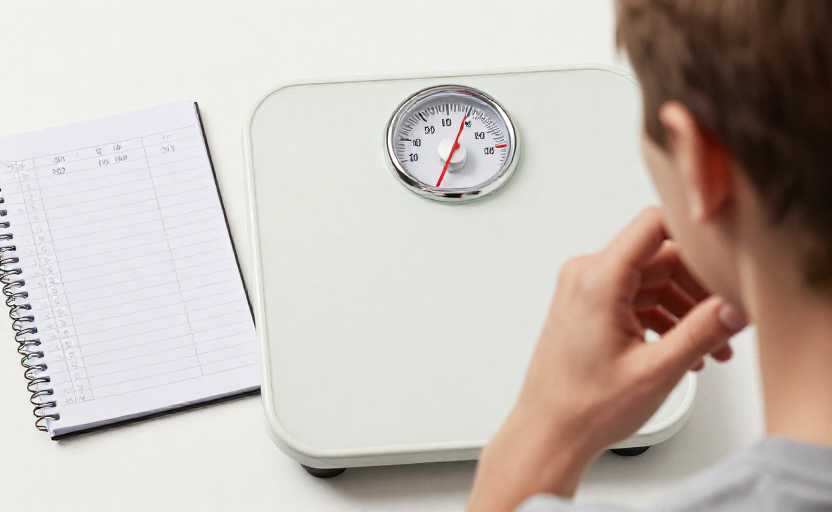
This is the most practical judgment logic I have accumulated after spending 6 years in a sleep center and reviewing nearly 3,000 sleep monitoring reports. It is much easier to use than the self-test forms with dozens of questions uploaded online. Last month, I met the mother of a high school senior who cried and said that her child could only sleep 6 and a half hours a day. She forced her to go to bed at 10 o'clock for fear of breaking her body. As a result, her child couldn't fall asleep until 12 o'clock. Instead, she was distracted in class every day, and her grades dropped by more than 20 places. Later, I did some calculations for them and found that the child has a short-sleeping constitution. As long as he wakes up and is not sleepy, 6 and a half hours is enough. There is no need to stick to the 8-hour target. If he changes back to the original sleep schedule of 11:30 and starts at 6:00, the child will be back to his normal state in less than two weeks.
Speaking of this, someone must ask, does it count as staying up late if I go to bed at 1 o'clock every day? There are actually two voices in the industry on this issue: the older generation of clinicians are more inclined to "go against the rhythm of sunrise and sunset and stay up late", believing that sleeping after 11 o'clock will affect liver metabolism and endocrine rhythms ; However, the consensus of the International Sleep Medicine Society in recent years is that as long as your sleep rhythm is fixed, and the sleep duration and quality meet your own needs, even if you go to bed at 2 a.m. and wake up at 10 a.m. every day, staying up late is not considered harmful to your health. At most, it is considered a "sleep phase delay", which is more suitable for freelancers and art practitioners who are accustomed to sleeping late. I have an old patient who is an illustrator. He used to force himself to go to bed at 11 o'clock, lying there for two hours with his eyes open and counting the ceiling. Later, he simply followed his own rhythm and went to bed at 2 o'clock and then went to bed at 10 o'clock every day. Now his sleep quality is very good, and the hormone levels he checked after half a year are all within the normal range.
Don’t panic if you really can’t sleep. First, distinguish whether it is occasional or long-term. For example, if you have an interview or meeting important people the next day, and you are tossing and turning, don't just lie down and count sheep. The more you count, the more energetic you will become. Get up and sit on the sofa and read some non-nutritious paper books, or turn on a small heating lamp and sit for a while. When you feel sleepy, go back to lie down. Just don't watch short videos. The blue light will excite the optic nerve, which will only make you more awake as you watch.
Many people buy melatonin when they can't sleep. This is a matter of public opinion and public opinion. The health school believes that small doses (within 1mg) of melatonin are dietary supplements. It is okay to take it occasionally to relieve jet lag and relieve emergencies.; However, most of our clinicians do not recommend long-term consumption by ordinary people, especially young people under the age of 30. Their own melatonin secretion levels are sufficient, and long-term exogenous supplementation will inhibit their own secretion. I previously treated a 22-year-old girl who took high-dose melatonin for a year. In the end, she had to swallow 10 mg of melatonin every day to fall asleep. After she stopped taking it, she couldn't sleep all night long for three months. It took almost half a year for her to return to normal.
Hey, I have really seen too many people looking for sleep anxiety on their own. They are so frightened when they see a short video saying "If you don't sleep enough for 8 hours, you will get dementia." A retired aunt came here for consultation before and asked if it was abnormal for her to only sleep 5 hours a day. After measuring her sleep quality, she found that the proportion of deep sleep was 28%. She was very energetic during the day dancing square dances and raising her grandson. There was no problem at all. On the contrary, her husband slept 8 hours a day and only 10% was in deep sleep. She still felt tired when she woke up every day, so she needed intervention and adjustment.
In fact, sleep is really not that important. Just remember the three standards at the beginning. If they meet the standards, it will be fine even if you only sleep for 5 hours a day or go to bed at 3 am. If they don't meet the standards, look for the reasons. If you really can’t sleep well for a month in a row, don’t blindly search for strategies to adjust yourself. Go to a regular hospital to get a sleep department account and do a polysomnography. All the problems will be clear. It is much more useful than buying a sleep pillow and sleep aid aromatherapy worth hundreds of yuan.
Disclaimer:
1. This article is sourced from the Internet. All content represents the author's personal views only and does not reflect the stance of this website. The author shall be solely responsible for the content.
2. Part of the content on this website is compiled from the Internet. This website shall not be liable for any civil disputes, administrative penalties, or other losses arising from improper reprinting or citation.
3. If there is any infringing content or inappropriate material, please contact us to remove it immediately. Contact us at: