Elderly aerobics 60
The "60" in "Aerobics for the Elderly 60" does not require a single jump of 60 minutes, nor is it limited to participation by people over 60 years old. It is specifically designed for middle-aged and elderly people over 60 years old who have varying degrees of degenerative joint problems and weak exercise foundations. The core standard of the light-load aerobics system is that after completing a full set of movements, the average heart rate is maintained at about 60% of the maximum heart rate, and the complete duration of a single set is controlled at 15-20 minutes. Existing tracking data shows that the risk of sports injuries is about 40% lower than that of ordinary square dancing.
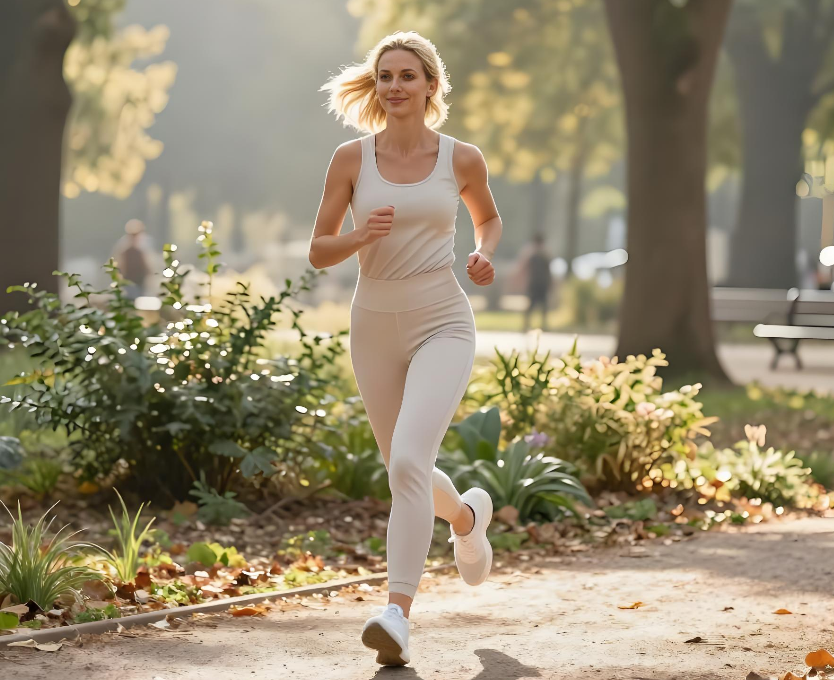
In the past two months, I helped the rehabilitation therapist at the community hospital organize the follow-up records of exercise for the elderly. I contacted more than 20 teams that often performed this exercise, and found that many elderly people initially misunderstood "60" as meaning that they had to dance for an hour. They added a lot of self-made jumps and hip twists to the 20-minute basic version of the exercise, which caused pain in the knees and shoulders.
The versions that people often practice now actually follow two completely different development ideas. One is the universal adaptation version recommended by the Sports Bureau, which is the 12-movement version posted in the community bulletin board. It includes turning shoulders, standing on tiptoes, clap for three miles, and turning the waist lightly. There is no threshold. Even those with weak legs and feet can follow it while holding on to a tree. It has the highest popularity rate. The aunts downstairs in my house line up in the small garden at 8 o'clock every morning, playing the slow-paced adaptation of "The Most Stunning Ethnic Style", which is very comfortable. Occasionally, the old man passing by will stand and watch for two minutes, and he can also wander along.
There is also a customized and adjusted version made by a rehabilitation institution, which will modify the movements for common basic diseases of the elderly: for those with frozen shoulder, the movement of raising the hands above the head is changed to flexing the elbows to draw circles; for those with knee arthritis, the movement of tiptoeing is changed to alternating calf raising. Uncle Li who I followed up is a beneficiary. He used to have shoulder pain and had to help his wife to wear a pullover. After practicing with the customized version for 3 months, he can now hang his coat on a clothes drying pole. He said that at first he thought this set of exercises was too soft and useless, but in the end it was much more effective than the random exercises he had done before.
There are still disagreements in the circle about the frequency of this practice. Uncle Liu, whom I met in the park last week, belongs to the "Daily Practicing School". He said that he would hide in the basement and dance for more than a year even when it rained. He used to take half a tablet of antihypertensive medicine, but now he has stopped following the doctor's advice. He feels very energetic. However, most of the rehabilitation practitioners I have contacted hold another view: the muscle recovery speed of people around 60 years old is half that of young people. They practice 3-4 times a week, and leave a day between each time to give the joints and muscles buffer time, which makes them less prone to chronic strain. In fact, there is nothing wrong with either statement. If you feel relaxed and not sore the next day after dancing, it doesn't matter if you dance every day. If your knees are stiff and your shoulders are sore after dancing, just rest for two days. There is no need to carry it hard.
Speaking of which, there is another interesting episode. Last time I met Aunt Wang from the community, she always carried an orange candy in her pocket. She said that she had skipped breakfast before doing dance exercises. After dancing for 10 minutes, her vision went dark and she almost fell down. After that, she developed the habit of taking a few sips of warm water and putting a piece of candy in her pocket before dancing. Also, Aunt Zhang was competing with Aunt Li next door to see who could raise her hand higher. She stretched her shoulder and it hurt for almost a week. It was just for comfort, so there was really no need to compete.
Oh, by the way, some people have now modified this exercise into a version that can be done while sitting, for elderly people with limited legs and feet, or even wheelchairs, to use it to move their shoulders, neck and arms. Originally, this "60" is a reference line, not a hard standard. If you feel happy dancing and feel comfortable after doing it, it doesn't matter if you change two more movements or do two less beats. In the final analysis, the most useful thing about fitness is what suits you.
Disclaimer:
1. This article is sourced from the Internet. All content represents the author's personal views only and does not reflect the stance of this website. The author shall be solely responsible for the content.
2. Part of the content on this website is compiled from the Internet. This website shall not be liable for any civil disputes, administrative penalties, or other losses arising from improper reprinting or citation.
3. If there is any infringing content or inappropriate material, please contact us to remove it immediately. Contact us at: