Wound Care Ointment Instructions
[Core conclusions first] This wound care ointment is a Class I medical device wound care product. It is only suitable for daily care of superficial non-infected wounds such as first-degree/shallow second-degree burns, abrasions, cuts, etc. It can isolate external pollutants, reduce the risk of infection, promote wound healing, and reduce the probability of scar hyperplasia; It is contraindicated by those who are allergic to the product ingredients (petrolatum, beeswax, recombinant epidermal growth factor derivatives, polyhexamethylene guanidine). Deep second-degree burns and above, infected wounds with pus and redness, and deep cuts/stabs must be treated by medical staff before use according to medical advice. This product has no therapeutic effect and cannot be used as a substitute for medicines.
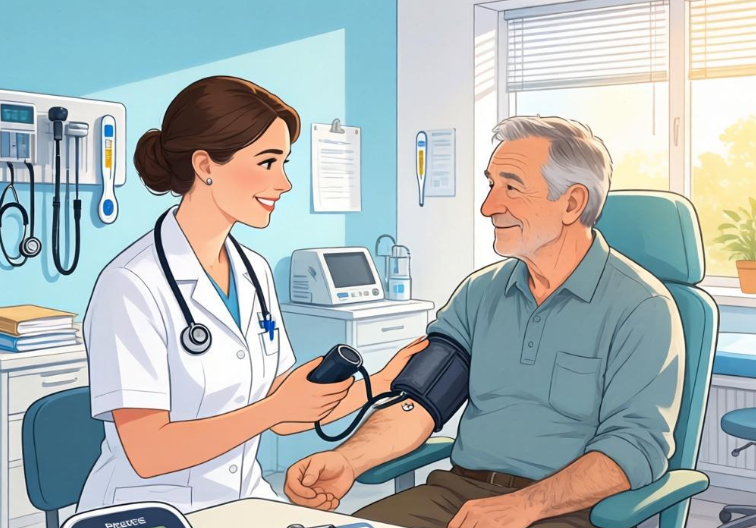
I have been working as a wound nurse in a community hospital for almost 7 years, and I have seen too many people who just apply ointment casually when they are injured. Last month, a young man rubbed his leg while riding an electric bicycle, and a lot of asphalt residue was embedded in the wound. In fact, this ointment is not that amazing. It is specially prepared for superficial non-infected wounds - such as a red mark due to oil splashing while cooking, a small cut due to paper while flipping a book, or a scratch on the surface of the knee when running. It is most suitable for small wounds that do not bleed much or only ooze some tissue fluid.
Speaking of this, there must be some people who want to argue. My mother/my previous surgeon said that the wound should be left to dry. Applying these sticky things will make it easy to rot. This is really not who is right or wrong. Dry healing is the traditional idea of wound care. For wounds with very little exudation and very superficial wounds, leaving the scab to dry can indeed heal, but the probability of leaving scars will be higher. Now we recommend wet healing, which relies on sealing with ointment. By locking the wound surface in a moist and low-bacteria environment, epidermal cells will crawl twice as fast, and it will be less likely to leave raised scars. Both approaches are fine. It depends on your own needs. If you are afraid of leaving scars, especially wounds on the face, give priority to wet healing.
Many people find petrolatum greasy and stuffy on their skin when they see petrolatum in the ingredient list. However, when it comes to wound care, petrolatum is really the most cost-effective sealing ingredient. There is no one else - it will not be absorbed by the skin and forms a protective film on the surface to keep out dust and bacteria from the outside. It is much more reliable than those highly praised plant extracts. Of course, if you are allergic to petrolatum or beeswax, you can just avoid it without forcing it. The low-concentration polyhexamethyleneguanidine added in it is antibacterial, and its irritation is only 1/10 of that of iodophor. Last time I trimmed my Corgi's feet and cut the pads, it didn't even hide after I applied it. If I changed it to iodine, it would have been all over me.
It’s not very particular when using it. Don’t listen to what the Internet says about disinfecting and applying wet compresses for several steps. Just wash the wound clean with saline first, and wash away any sand and oil. Don’t wash it with soapy water or alcohol. It will make you jump in pain, and it will also damage the new cells in the wound. After rinsing, take a clean sterile cotton swab to dry the water on the surface, and then apply a thin layer of ointment. It should be really thin, so it is probably translucent. If you apply a thick layer, it will become airtight. If the wound is on a place that is moved every day and easily stained, such as the knee or palm, just put a sterile hydrocolloid dressing on it after applying it. If it is on a place that is not easily touched, such as the face or neck, it is no problem to leave it to dry after application.
Oh, by the way, many people use it as a universal ointment and apply it on all kinds of acne marks, eczema, and hemorrhoids. Let me make it clear that using it on fresh red acne marks that have just scabbed off can indeed reduce pigmentation. However, for old acne marks that have been growing for more than half a year and raised keloids, no matter how much you apply, it will have no effect. Don’t waste that money. Go directly to the hospital for laser or sealing. Also, if your wound has pus, is in severe pain, and the surrounding skin is red and hot, then don’t use this. This means that there is an infection. Rinse the ointment quickly and go to the hospital. This ointment is only for nursing, not medicine, and it cannot cure the infection.
Finally, let me talk about a point that people tend to overlook. It is best to use this ointment within 3 months after opening it. Do not leave it in places with high temperature and humidity such as toilets and cars. I left it in the car for a week last summer, and the oil and water separated directly. I accidentally applied it to a small scratch on my nephew, but he developed a small red rash and itched for several days. It was not worth the loss. If you find that the paste changes color or has an odor when you use it, just throw it away and don't worry about the money.
Disclaimer:
1. This article is sourced from the Internet. All content represents the author's personal views only and does not reflect the stance of this website. The author shall be solely responsible for the content.
2. Part of the content on this website is compiled from the Internet. This website shall not be liable for any civil disputes, administrative penalties, or other losses arising from improper reprinting or citation.
3. If there is any infringing content or inappropriate material, please contact us to remove it immediately. Contact us at: