Diet taboos for kidney cysts
Don’t eat a long-term high-salt diet, don’t touch nephrotoxic foods/supplements, and if you have renal insufficiency, then control the intake of purine, protein, and potassium. Most of the “can’t touch soy products” and “can’t eat fatty foods” posted on the Internet are unfounded misunderstandings. There is no need to put shackles on yourself at all.
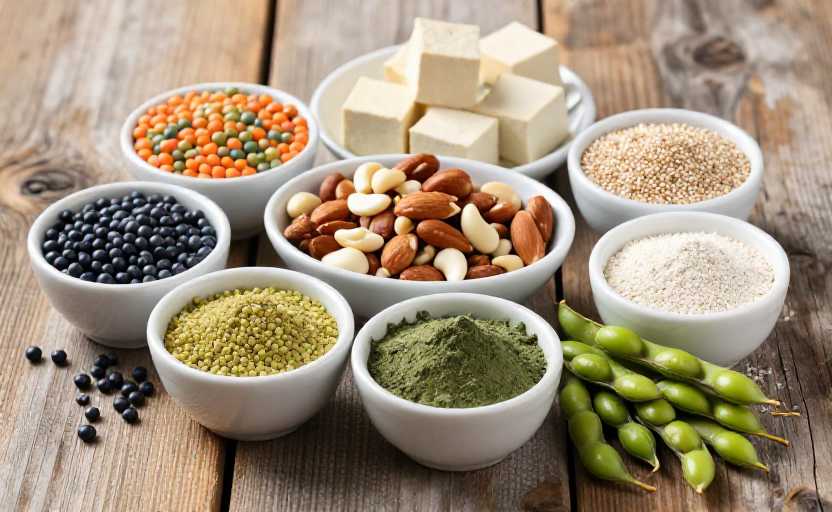
Last week, I met a young man born in 1995 in the outpatient clinic. The unit physical examination revealed a 1.8cm simple renal cyst in the left kidney. After getting the report, I searched online for half a night, and stopped drinking soy milk for breakfast for five or six years. He even dared not touch his favorite mapo tofu. In half a year, he lost 8 pounds. There was no change at all in the cyst. On the contrary, the blood albumin was a little lower than the normal value. The typical excessive taboo suffered a useless crime.
Why is high salt the first thing to mention? No matter what type of kidney cyst you have, whether it is simple or hereditary polycystic kidney disease, high salt intake is a clear risk factor that has been proven to accelerate the growth of cysts. Think about it, eating too much salt will first raise blood pressure. The blood vessels in the kidneys are already thin. When blood pressure is high, it will compress the renal parenchyma and stimulate the secretion of cystic fluid. A cyst that may only grow 1cm in three to five years may grow in size in one year. Moreover, many people’s understanding of high salt content is that they only add too much salt in cooking. In fact, the heavy takeout you usually order, the pickled products that are ready to eat out of the bag, and even the bottled fruit tea that tastes sweet, all contain a lot of invisible sodium. I have calculated before that the sodium content of a cup of full-sugar cheese milk tea is almost as much as half a bag of pickles. If you drink it every day, it will be useless no matter how little salt you add in cooking.
The second thing that requires absolute attention is not to eat "kidney-tonifying" things blindly. Many people are diagnosed with cysts in their kidneys, and their first reaction is to "replenish" them. Kidney-tonifying pills with unknown ingredients sold in their circle of friends, medicated wine with unknown medicinal ingredients made by elderly people in their hometown, and painkillers that are taken casually for headaches and brain fever, may all be nephrotoxic. Normal people have strong kidney metabolism, and they may be fine if they eat it once in a while. However, the effective working units of the kidneys of patients with renal cysts are slightly less than that of healthy people. Long-term exposure to these things can easily put extra burden on the kidneys, and in severe cases, it may induce acute kidney injury. This is really not worth the gain.
Speaking of this, someone must ask, after being said not to touch it for a long time, can the soy products that everyone talks about the most be eaten? In fact, there have been different opinions on this in the industry. In the early years, there was indeed a saying that plant protein would increase the burden on the kidneys, and it was recommended that people with poor kidneys avoid soy products. However, research in the past few years has long overturned this conclusion - soy protein is a high-quality protein, and its amino acid pattern matches the needs of the human body. It is even smaller than the metabolic burden of many red meats. The current consensus is that as long as your kidney function is normal and you have not reached the stage of elevated creatinine or azotemia, it is perfectly fine to drink soy milk, eat tofu, and eat tofu skin normally, and there is no need to quit. Of course, if polycystic kidney disease has reached the stage of renal insufficiency, then the total protein intake must be controlled. Whether it is animal protein or plant protein, the amount must be calculated. This cannot be generalized.
Also, everyone is asking whether "foods" such as seafood, beef and mutton cannot be touched? This is even more nonsense. As long as you don’t have gout or are allergic to these foods, it’s absolutely fine to eat them normally. I have an old patient who is from Zhoushan. He has been diagnosed with renal cysts for more than 20 years. He does not avoid seafood. He eats steamed hairtail two or three times a week. When reviewed every year, the cysts are very stable and have not grown at all. On the contrary, there was a patient who did not dare to eat anything. He was malnourished for half a year, and his immunity was so weak that he caught colds all the time, which was not good for the kidneys.
Of course, this does not mean that all patients with renal cysts have no contraindications. If your cyst has developed to the stage of renal insufficiency, or you have basic diseases such as gout and hypertension, you still need to be more careful. For example, those with high uric acid should eat less animal offal, rich broth and other high-purine foods. Those with high blood potassium should eat less high-potassium foods such as bananas, dates, and avocados. The protein intake can also be slightly controlled. About 0.8-1g per kilogram of body weight per day is enough. For a 60-kg person, eating one egg, one cup of milk, and two ounces of lean meat a day is about the same. Eating too much will indeed increase the burden on the kidneys.
I have been practicing nephrology for almost 10 years, and I have seen too many people who dare not eat or touch anything because of a small cyst. In fact, a simple renal cyst is essentially a small blister on the kidney. More than 90% of them are benign and will not become cancerous or affect kidney function. Regular B-ultrasound examinations every year are enough. There is really no need to lower the quality of life too much because of it. If you really want to make cysts grow slower, it is better to stay up less late at night, drink less alcohol, and keep your blood pressure under control, which is more effective than any blind taboo.
Disclaimer:
1. This article is sourced from the Internet. All content represents the author's personal views only and does not reflect the stance of this website. The author shall be solely responsible for the content.
2. Part of the content on this website is compiled from the Internet. This website shall not be liable for any civil disputes, administrative penalties, or other losses arising from improper reprinting or citation.
3. If there is any infringing content or inappropriate material, please contact us to remove it immediately. Contact us at: