
Diverticulitis dietary taboos
The core dietary taboos for diverticulitis can be divided into two categories: During the acute attack period, four types of foods that are high in crude fiber, spicy, gas-producing, and high in fat and sugar need to be strictly avoided.; The taboos during the remission period are currently controversial in academic circles. It is not necessary to completely abstain from nuts and seeds. It can be adjusted according to personal intestinal tolerance.
First, let’s talk about the acute attack period that everyone is most concerned about. I just picked up a young man who relapsed last week, and he just didn’t control his mouth. The 28-year-old programmer was hospitalized for the first time and had just been discharged for 3 days. He felt that he was almost better. When he stayed up late to change his needs, he opened a bag of peeled pecans and ate half of the bag. That night, he felt pain in his lower right abdomen and broke into a cold sweat. He called 120 and came back. A CT scan showed that the diverticulum that had been reduced had become swollen again. Fortunately, there was no perforation, otherwise the surgery would have been necessary.
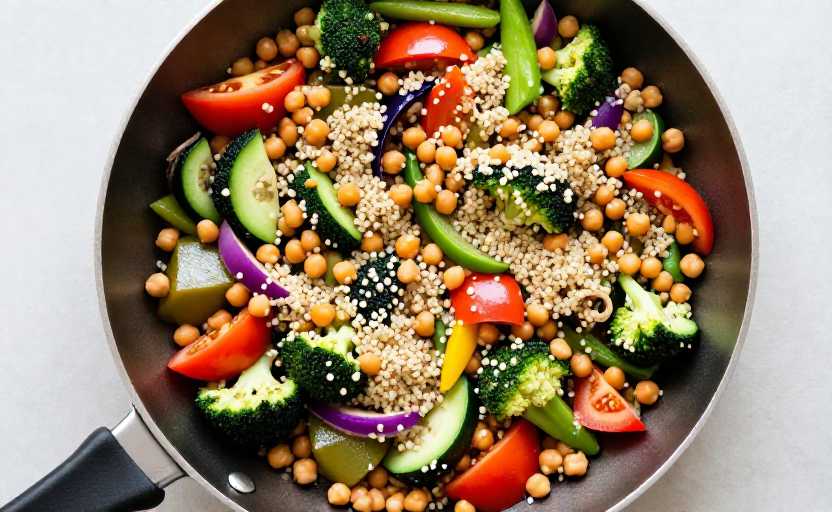
Diverticula are like small pits on the intestinal wall. When they are inflamed, these pits are all red and swollen. If you stuff some hard food residue into them, it will be like spreading sand on a pus-filled wound. The pain will be mild, but it may cause perforation. So in the acute stage, don’t worry about whether you are greedy or not. Stop all rough and high-fiber residue foods such as celery stalks, leeks, peeled apples, and unprocessed whole grains. Avoid spicy hot pot, white wine, and even broccoli, which many people think is healthy. Try not to drink soy milk, soy milk, and carbonated drinks - these gas-producing foods will bulge the intestines and cause pain on the inflamed intestinal wall. I once saw an aunt drink a bowl of soy milk during an attack, and she squatted in the toilet for two hours to pass the exhaust before she could straighten up. Not to mention high-fat and high-sugar milk tea and fried chicken. The digestive function is already weak during the intestinal inflammation period. These things will only aggravate the bacterial flora disorder and slow down the recovery.
I’m not trying to scare you. The price of eating indiscriminately during the acute stage is often going back to the hospital for three days.
What many people are most confused about is what can and cannot be eaten during the remission period. After all, a search on the Internet only shows the statement "Never touch nuts or fruits with seeds." In fact, this has not been a unified conclusion in the academic community for a long time. Early guidelines worried that foods with hard seeds such as nuts, dragon fruit, and kiwi would get stuck in diverticula and induce inflammation, so they recommended lifelong fasting. However, European and American cohort studies in the past 10 years have long overturned this one-size-fits-all conclusion: A 2021 study published in "Gastroenterology" tracked 47,000 people with diverticula. A 5-year study of patients with the disease showed that people who ate unsalted nuts and berries 2-3 times a week had a 18% lower recurrence rate of diverticulitis than people who did not eat such foods at all. The reason is simple. The soluble fiber in these foods can soften stools, which in turn reduces the chance of dry and hard stools getting stuck in diverticula.
Of course, many clinicians still hold a conservative attitude. My own advice to patients is never to follow research. After all, everyone's diverticulum size, location, and intestinal sensitivity are all different. I have an old patient who has suffered from diverticulitis for 8 years. He eats pistachios twice a week and has not had a recurrence for so many years. But there is also a little girl who ate two sunflower seeds with skins and suffered from pain for two days. For those who have irritable bowel syndrome and usually suffer from diarrhea after eating something cold or spicy, there is nothing wrong with being cautious and avoiding foods with a lot of hard residue. There is no need to compete with your intestines by focusing on the research conclusions.
I usually give some advice to patients who are discharged from the hospital: in the first 3 months of the remission period, if you want to try something you didn't dare to touch before, just eat a little at a time, such as a pecan, chew it until it is completely broken and then swallow it. Observe for 24 hours. If there is no pain or swelling, increase the amount next time. If you feel uncomfortable, stop. It is more effective than any list. As for the often asked question of whether you can eat spicy food, if you have a physique that doesn't like spicy food, it's okay to occasionally eat spicy food during the remission period. If you get diarrhea and abdominal pain when you eat spicy food, then of course you can hide as far away as you can.
In the final analysis, dietary taboos are never meant to restrict your eating. They are meant to help you suffer less and listen more to your own stomach's reactions, which is better than any expert advice.
Disclaimer:
1. This article is sourced from the Internet. All content represents the author's personal views only and does not reflect the stance of this website. The author shall be solely responsible for the content.
2. Part of the content on this website is compiled from the Internet. This website shall not be liable for any civil disputes, administrative penalties, or other losses arising from improper reprinting or citation.
3. If there is any infringing content or inappropriate material, please contact us to remove it immediately. Contact us at:
