Diet taboos after test tube transplantation
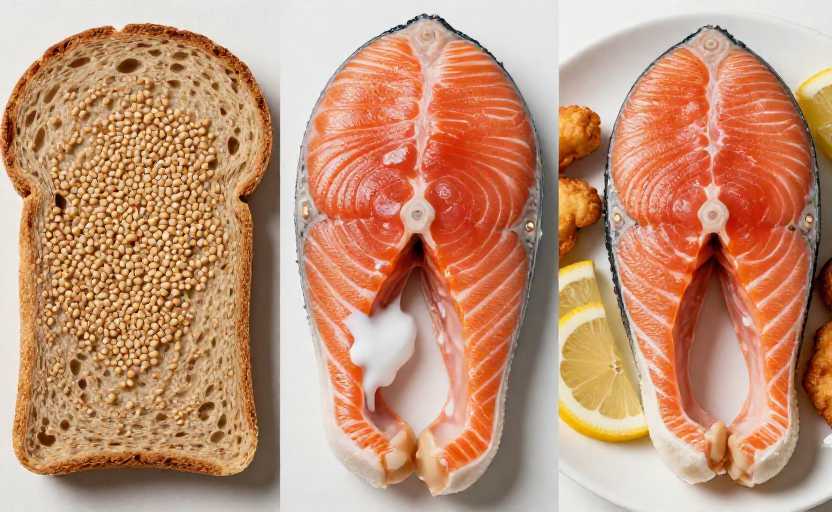
Undercooked raw and cold foods (such as sashimi, soft-boiled eggs, unpasteurized raw milk), foods that are known to cause allergies, all alcoholic drinks (including fruit wine, fermented rice wine, and wine-filled chocolate), nourishing Chinese medicinal materials, folk remedies, and health care products taken without the consent of the attending physician. Most of the remaining statements, such as "You can't eat crabs, watermelons, hawthorns, and ice drinks," have no evidence-based medical basis, so you don't need to blindly blame yourself for your taboos.
I have been working in a reproductive center for almost 9 years and have seen too many patients who put diet more seriously than the quality of their embryos. Not long ago, there was a 31-year-old girl who had a three-page "taboo list" before the transplant, including spinach in green leafy vegetables. She said she was afraid that "the cold would affect implantation." "On the third day after the transplant, I secretly drank half a cup of room-temperature poplar nectar. I hid in the ward and cried for almost an hour, saying I was afraid that the baby would "drop". In the end, the HCG test was better than anyone else. Now the baby is half a year old. The last time he came for a review, he specially brought the dissolved beans he made to our nurse station.
In fact, Chinese and Western medicine do have different considerations regarding post-transplant diet. There is no need to argue about who is right and who is wrong. The logic of Western medicine is very simple: the core of embryo implantation is embryo quality, endometrial receptivity and body hormone levels. As long as the diet does not cause gastrointestinal problems - such as diarrhea, allergic rashes, food poisoning due to eating bad things, it will not have any impact on the bed. It is even recommended that everyone maintain their usual eating habits and do not make sudden changes that will cause the body to have a stress response. The advice of traditional Chinese medicine is more gentle. It usually reminds everyone to eat less food that is too cold, spicy and hot, such as popsicles just taken out of the freezer, or a spicy hot pot with half a bag of chili. It is not that these foods will directly "harm the embryo", but that most people will use progesterone preparations after transplantation, and gastrointestinal motility itself will slow down. If you eat too much and cause diarrhea or constipation, and frequent trips to the toilet increase abdominal pressure, it may indeed have a slight impact on your bed. However, this is essentially a cause of "gastrointestinal discomfort" and not a problem with the food itself - if you drink iced Americano every day, you won't have diarrhea. After transplantation, drink it at room temperature or even with less ice, and there is no problem at all.
As for the most widely spread rumor that "crabs, watermelons, and hawthorns can tire", I really want to refute this rumor. There is currently no clinical data to prove that these daily foods will cause implantation failure or miscarriage. If you really have to eat two crabs and two pieces of watermelon to lose a baby, then people in ancient times didn't need to ask a doctor to prescribe an abortion. Wouldn't it be over if they just ate two pounds of crabs? There is also hawthorn. To reach the dose that can cause uterine contractions, you have to eat more than ten or twenty kilograms at a time. Who in the normal world would eat so much in one meal? If you really eat so much, the first problem you will suffer from is excessive stomach acid and burning, which will not affect the embryo.
Of course, it doesn’t mean that everyone can just eat haise, there are still some small details that you need to pay attention to. For example, after transplantation, many people are afraid of moving and lie at home every day. The elders in the family make a lot of tonic soup for every meal, including chicken legs, old hens, and donkey-hide gelatin. On the contrary, it is easy to eat high blood fat, constipation, and make them uncomfortable. It is better to eat more high-fiber vegetables, prunes, and dragon fruits. It can smooth bowel movements than any tonic soup. Also, patients with diabetes or polycystic disease should still control their sugar according to their previous dietary requirements. Don’t indulge in sweets just because of the transplant. Blood sugar fluctuations will affect hormone levels.
By the way, there are also the most frequently asked about supplements, such as bird's nest, sea cucumber, deer fetus ointment, and various folk remedies that claim to "preserve miscarriage." I advise you not to rush to eat them. Two years ago, there was a patient who received a folk "pregnancy-preserving prescription" from his family after a transplant. Within a week of taking it, he found that his transaminases increased. The originally good cycle could only be suspended, which was not worth the gain. If you really want to take supplements, take them to your attending doctor to check the ingredients first and make sure they are ok before taking them. Otherwise, you won’t know whether you are taking supplements or not, and you will suffer a big loss if you first put a burden on your liver and kidneys.
To put it bluntly, the most "avoidable" thing after transplantation is not a few foods at all, but an excessive anxiety state of mind. I have seen too many people who were so anxious that they could not sleep all night after taking a bite of the so-called "forbidden food". Instead, they failed to implant due to emotional stress. This is really like picking up sesame seeds and losing the watermelon. Before eating anything, feel your stomach and ask yourself: Will I feel uncomfortable eating this? Will I be allergic? Will it cause diarrhea? If you don't know how to eat it, just take a few bites less if you want to eat it. It will make you happy. It is more effective than any strict taboo list.
Disclaimer:
1. This article is sourced from the Internet. All content represents the author's personal views only and does not reflect the stance of this website. The author shall be solely responsible for the content.
2. Part of the content on this website is compiled from the Internet. This website shall not be liable for any civil disputes, administrative penalties, or other losses arising from improper reprinting or citation.
3. If there is any infringing content or inappropriate material, please contact us to remove it immediately. Contact us at: