Food taboos for allergic rhinitis
The first is to absolutely avoid identified self-ingested allergens. The second is to avoid high-risk foods that will aggravate mucosal irritation and promote the release of histamine when appropriate during the attack. During the remission period, as long as you don’t feel uncomfortable after eating, there is no need to blindly avoid food.
A while ago, I saw a 20-year-old girl who had rhinitis for half a month. I heard on the Internet that she should avoid cold, sweet, and seafood. She even stopped drinking her usual iced American style. She ate boiled vegetables for a week and sneezed frequently. She lost 4 pounds. When I checked for allergens, I found that she was only allergic to ragweed and dust mites.
There is actually no standard answer to the question that everyone is arguing about the most: “Can I eat ice cream?” In fact, there is no clear requirement in the Western medicine system that rhinitis patients should avoid cold drinks. Unless you have vasomotor rhinitis induced by cold stimulation. Symptoms of nasal congestion and runny nose will appear within 10 minutes after eating ice, so you should naturally avoid it. ; However, Chinese medicine often advises patients with lung qi deficiency and coldness (that is, they are usually afraid of cold, have runny nose like a faucet when suffering from rhinitis, and have cold hands and feet all year round) to avoid ice drinks. They believe that raw and cold drinks will damage the lung qi and prolong the attack period. Both theories have clinical basis, and you can choose based on your own body's reaction. You don't have to take any side.
The only uncontroversial red line is that you have clearly eaten foods that will induce rhinitis - whether it is mangoes, peaches, and milk that everyone considers "healthy" or "unhealthy" fried chicken and cola, as long as you eat it within half an hour to two hours, symptoms will appear. If you have an itchy nose, sneezing, worsening nasal congestion, or even a rash on your body or a swollen throat, don't hesitate to hide as far away as you can from now on. If you're not sure, you can get tested for ingestible allergens or keep a food diary yourself. It's more accurate than any general list on the Internet.
Of course, there are some types of foods that you are advised to put away during the attack period. This does not mean that you will definitely become allergic if you eat them, but it will most likely aggravate your discomfort. For example, if you drink iced drinks or iced watermelon just taken out of the refrigerator, your nasal mucosa will be swollen like a soaked sponge. Once the cold stimulus comes, the blood vessels will shrink and then expand. Nasal congestion can directly block your mouth to breathe when you sleep at night, and your throat will hurt the next day. There are also stale seafood and fermented foods that have been stored for a long time, which have high histamine content. Even if you are not allergic to seafood, excessive histamine entering the body will simulate an allergic reaction, making you sneeze non-stop and make your nose itchy like bugs crawling. There are also wine and particularly spicy hot pot. It is normal for the face to feel hot and runny after eating. However, during the attack period, it is even worse. The nasal mucosa is already congested. When these two stimulate blood vessels to dilate, more secretions will be produced, and blowing the nose can break it.
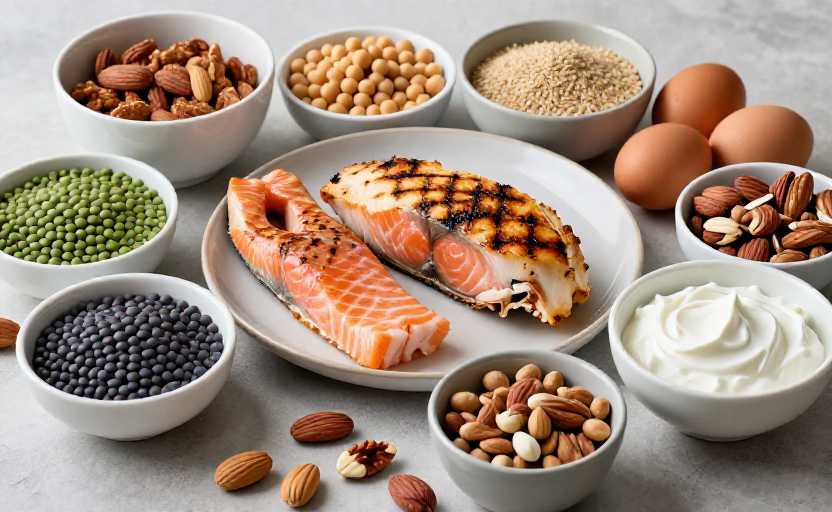
Don't be fooled by people who say "you can't eat anything". I met a parent last year whose child had allergic rhinitis for three years. They stopped milk, eggs, beef, and seafood, and fed their child vegetables, pork, and rice every day. As a result, the 7-year-old child was half a head shorter than his peers. When I checked, he was not allergic to any ingestible allergens, but was allergic to dust mites. The parent was very regretful. The so-called "fat food" itself is a very individual concept. Just because someone else gets sick after eating it does not mean that you will get sick as well. As long as there is no reaction after eating it, you should eat it. If your nutrition keeps up with your immunity, you will have fewer rhinitis attacks.
There is another pitfall that is easily overlooked: many people have rhinitis and cannot find the cause. It is actually caused by additives in processed foods, such as artificial colors, preservatives, sugar substitutes, and flavors in some prepackaged snacks. I have an old patient who gets rhinitis every time he eats a certain type of dried mango sold in the supermarket. He thought he was allergic to mangoes, but it turned out that there was nothing wrong with eating fresh mangoes. Later, after checking, I found out that the symptoms were caused by the sodium metabisulfite added to that type of dried mango. You can only rely on yourself to pay more attention to such details.
All in all, food taboos for allergic rhinitis are essentially a matter of "personal customization". There is never a standard answer. Other people's avoidance lists can only be used as a reference. Your own body reaction is the most reliable criterion. If you are really not sure, try it twice more, eat a small amount each time, and observe it for 24 hours after eating. If you don’t feel any discomfort, feel free to eat it. After all, if you have rhinitis, you can’t eat this or that, and you will lose half the fun of life, which is a big loss, right?
Disclaimer:
1. This article is sourced from the Internet. All content represents the author's personal views only and does not reflect the stance of this website. The author shall be solely responsible for the content.
2. Part of the content on this website is compiled from the Internet. This website shall not be liable for any civil disputes, administrative penalties, or other losses arising from improper reprinting or citation.
3. If there is any infringing content or inappropriate material, please contact us to remove it immediately. Contact us at: