salicylic acid food allergy
99% of the "salicylic acid food allergies" we talk about daily are not true IgE-mediated allergic diseases, but an intolerance reaction caused by the intake of salicylic acid in food exceeding the individual's tolerance threshold.; True salicylic acid food allergy accounts for less than 1% of clinical cases. There is currently no universal cure plan. The core response logic completely varies from person to person, and there is no standard answer.
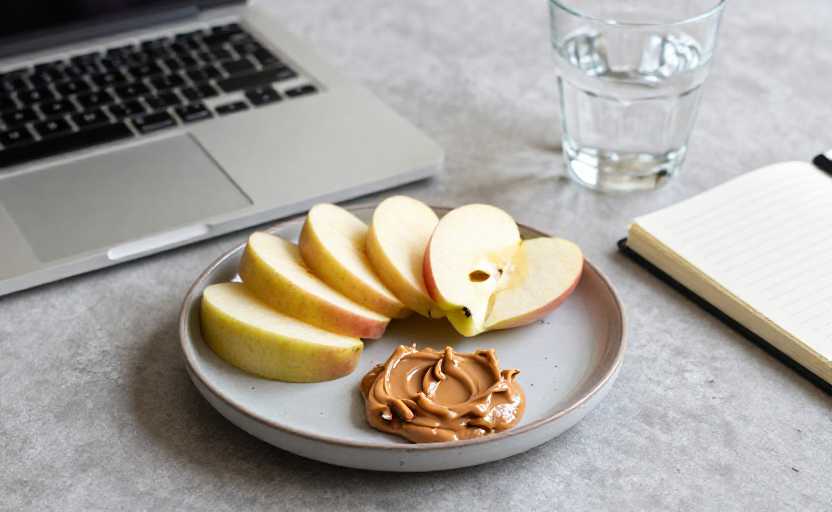
Last week, I picked up a 27-year-old girl from the clinic. She came in with a thick stack of allergy test reports, all of which were negative. She said that for the past six months, she had only eaten blueberries, almonds, and even drank fruit tea with tangerine peel. Her lips immediately swelled into sausages, and occasionally she would develop She had urticaria in patches and took anti-allergic drugs for almost half a year, with good and bad times. Later, a double-blind food challenge test was conducted to confirm that it was salicylic acid intolerance. She searched online for a long time and always treated it as "salicylic acid allergy."
Many people may not know that natural salicylic acid is actually widely present in the foods we commonly eat. Berries, nuts, citrus fruits, most spices, and even many preservatives in processed foods contain salicylic acid derivatives. Ordinary people will eat it without any problems, but for people with low tolerance thresholds, eating a little will trigger reactions, ranging from mouth swelling and rash to stomachaches and asthma attacks in severe cases. If you have a rare true salicylic acid allergy, it may even induce laryngeal edema, which is life-threatening.
The industry has actually been arguing about how to deal with this problem for many years, and there is no unified conclusion. Many allergists in Europe and the United States are staunch "strict avoiders". Once diagnosed, they will give you a long list of high salicylic acid foods, which will make it difficult for you to eat and use everything. I have an old patient who followed the doctor's advice and strictly avoided them for more than three months. The rash has indeed disappeared, but she complained that now she feels like a thief when going out to eat. She has to ask if lemon jam is added to her milk tea.
There are also many domestic nutritionists who prefer the idea of "tolerance building". As long as it is not an acute or severe allergic reaction, they should start with small doses and gradually increase the tolerance threshold. I have a friend who works as a nutrition consultant and is intolerant to salicylic acid. He was so itchy that he couldn't sleep even after eating one strawberry. He started with a quarter of a strawberry and increased the amount every week. After trying for almost half a year, he can now show off a small box of red strawberries every week without any problems. But there are many people who use this method. I picked up a young man a while ago, and I randomly increased the dosage at home. It was just a swollen mouth, but I forced myself to do it and induced chronic urticaria. It took more than three months to suppress it.
Here I have to mention a pitfall that many people have stepped on. Many people have checked the common allergens and feel that they have "low immunity". They buy a bunch of health care products to improve immunity, but the more they eat, the more serious the problem becomes. Think about it, the plant extracts in most health care products, such as grape seeds and acerola powder, are all high in salicylic acid. Isn't this equivalent to hitting the muzzle of a gun? Some people confuse other food allergies with salicylic acid intolerance. I met an even more outrageous one a while ago. The young man checked the information and thought he was salicylic acid intolerant. He stopped all high-salicylic acid foods, and the itching became even worse. Finally, it was found out that he was allergic to the salicylic acid preservatives in the new dishwashing liquid he bought at home. He stopped eating strawberries for three months. When he came for a follow-up visit, he cried in tears and said he had to buy two kilograms of strawberries to make up for it.
If you suspect that you have this problem, you can actually keep a food diary at home for two weeks. Every time you feel uncomfortable after eating, write down what you eat, how much you eat, and any reactions. You can probably figure out your tolerance pattern by comparing it with the high salicylic acid food table published on the Internet. However, if you really want to confirm the diagnosis, you still have to go to a regular hospital to do a double-blind food challenge test. This is the gold standard. Don't guess and quit on your own. It's not necessary.
Some recent studies have shown that salicylic acid intolerance is actually closely related to intestinal flora. A small sample test shows that after supplementing specific bifidobacterium strains to subjects, the salicylic acid tolerance can be increased by two or three times. However, this research is still in the experimental stage. Most probiotics on the market do not have corresponding effective strains at all. Don’t listen to the merchants and buy them indiscriminately. If you spend money in vain, it may also aggravate the problem.
To be honest, the research on salicylic acid intolerance is not yet complete. Everyone’s tolerance threshold is very different. Others may get into trouble if they touch a little. You may be fine after eating a lot, while others will be fine after quitting for half a year. You may have to quit for three to five years. There is no need to copy other people’s experience, and there is no need to endure the craving for food. Just find a comfortable balance. After all, it is really not worth it to put yourself in the hospital just for a few strawberries.
Disclaimer:
1. This article is sourced from the Internet. All content represents the author's personal views only and does not reflect the stance of this website. The author shall be solely responsible for the content.
2. Part of the content on this website is compiled from the Internet. This website shall not be liable for any civil disputes, administrative penalties, or other losses arising from improper reprinting or citation.
3. If there is any infringing content or inappropriate material, please contact us to remove it immediately. Contact us at: