
Geriatric disease prevention and precautions include
Early screening and intervention of controllable risk factors, personalized matching of health plans, long-term standardized management of chronic underlying diseases, and dynamic adjustment of living habits. There is no so-called "universal health regimen" and all measures must be adjusted based on one's own body.
I have been doing health education for the elderly in the community for almost five years, and I have encountered quite a few elderly people who have fallen into disgrace. I just saw 62-year-old Uncle Zhang last month. A bone density test at a free clinic half a year ago showed osteopenia. He felt that his waist and legs were not sore and he didn't take it seriously. Last week, he slipped and fell downstairs and fractured his femoral neck. He is still lying in the hospital waiting for surgery. I don’t say this to scare you, but many geriatric diseases develop silently. By the time you feel symptoms, they have often reached an irreversible stage. There are now two different voices regarding early screening. Some organizations encourage the elderly to undergo a full set of high-end physical examinations every year, including PET-CT. However, the clinical consensus is actually: elderly people with no family history of cancer and no previous underlying lesions should have a routine basic physical examination once a year. Targeted screenings such as gastroenteroscopy and chest CT once every 2-3 years are enough. Don’t panic if a certain tumor marker is slightly elevated. Most of them are caused by inflammation and benign nodules. As long as the follow-up does not continue to double, there will be no problem. Over-screening will only increase the psychological burden.
I was chatting with a sports rehabilitation specialist in our department a while ago, and he also mentioned that many elderly people now have deep misunderstandings about exercise. There is a group of family members who always think that the elderly should rest and rest. It is best to sit at home every day and not move around. As a result, sitting muscles atrophy and the strength of the lower limbs becomes worse and worse, making them more likely to fall. ; There is also a group of old people who think that the more they exercise, the healthier they will be. They walk 20,000 steps a day and wear out the meniscus in their knees. In fact, there is no need to go to extremes. Walking 6,000-8,000 steps a day is enough. If your knees are bad, you can also switch to swimming or pedaling a power bicycle. If your physical condition permits, lift two half-filled mineral water bottles for 10 minutes every week to practice the strength of your upper limbs. You will be much more stable when carrying things and holding on to walls.
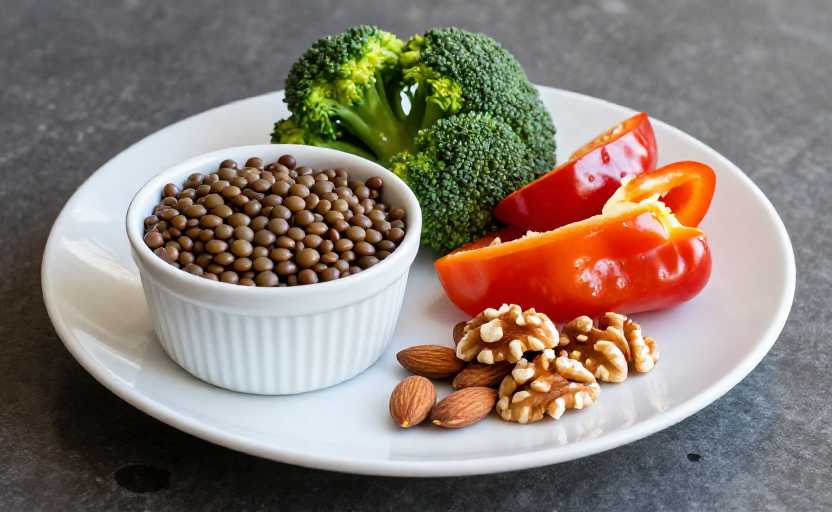
Many people’s misunderstandings about “light diet” really need to be changed. I met a 70-year-old Aunt Li before. She was a vegetarian and did not even dare to eat eggs. Her physical examination showed severe hypoalbuminemia and iron deficiency anemia, and she wobbled when she walked. Think about it, muscles are equivalent to the load-bearing wall of an elderly person's body. If the protein is not replenished enough, the wall will become looser day by day. Will it fall down if it is touched even slightly? If you eat one or two lean pork, beef, one egg, and a cup of 300ml warm milk every day, you don't have to worry about rising blood lipids. Instead, you can build up enough resistance for your body. Of course, you still need to change your heavy mouth habit. Limit your daily salt intake to the amount of a beer bottle cap, and avoid soybean curd and pickled vegetables. This will help control your blood pressure more than any amount of antihypertensive health products you eat. Oh, by the way, there are also elderly people who like to drink tea. Don’t drink strong tea after three o’clock in the afternoon. I have seen too many elderly people who have insomnia every night and their blood pressure fluctuates. The root cause is that the cup of strong tea they brew after dinner every day is replaced by warm white boiled tea or light chrysanthemum tea. Changes can be seen in half a month.
There has always been a lot of controversy about the use of medications for chronic diseases. Some elderly people always feel that "medicines are only three parts poisonous." They stop antihypertensive drugs without authorization when their blood pressure is normal, and throw away statins when their blood lipids are not high. As a result, there are too many cases of myocardial infarction and cerebral infarction. Evidence-based medicine now has clear data: Hypertensive patients who take medication regularly have a cardiovascular and cerebrovascular event rate that is more than 60% lower than patients who stop taking medication without permission. If you are really worried about side effects, you can consult a doctor regularly to adjust medication. Do not stop casually on your own. There are also many elderly people who take health care products as medicine. Nattokinase and deep-sea fish oil are said to be able to cure all kinds of diseases. In fact, regular fish oil can only assist in lowering triglycerides and cannot replace lipid-lowering drugs at all. If you really have underlying diseases, you should still follow the doctor's advice and take regular medicines. Don't waste money and delay the condition.
Finally, let me talk about a point that many people tend to overlook: emotions and home safety are really important. Last month, a 70-year-old man was admitted to the emergency department. He had a quarrel with his children, and his emotional excitement directly caused cerebral hemorrhage. After rescue, he also suffered from hemiplegia. After retirement, go to the park for a walk and play chess with your old friends. Don’t sit at home and read negative news, and don’t worry about your children all the time. A happy mood is more effective than any tonic. It is best to install handrails in the bathroom at home, lay anti-slip mats on the floor, and leave a night light on when getting up at night. I have seen more than half of the fractures in the elderly caused by falling when they woke up at night. Paying more attention to these small things can save a lot of trouble.
After all, there is really no unified standard answer for the prevention of geriatric diseases. Don’t always follow the trend and buy Internet celebrity health products, and don’t copy other people’s health prescriptions. If you are not sure, ask a family doctor in the community to find out what is best for you.
Disclaimer:
1. This article is sourced from the Internet. All content represents the author's personal views only and does not reflect the stance of this website. The author shall be solely responsible for the content.
2. Part of the content on this website is compiled from the Internet. This website shall not be liable for any civil disputes, administrative penalties, or other losses arising from improper reprinting or citation.
3. If there is any infringing content or inappropriate material, please contact us to remove it immediately. Contact us at:
