
Maternal dietary taboos
Uncooked raw and cold food, any alcoholic drinks/foods, and ingredients that the mother is clearly allergic to. Most of the remaining so-called "taboos" only need to be adjusted flexibly based on her own gastrointestinal tolerance and the baby's reaction. There are not so many rules and regulations posted on the Internet.
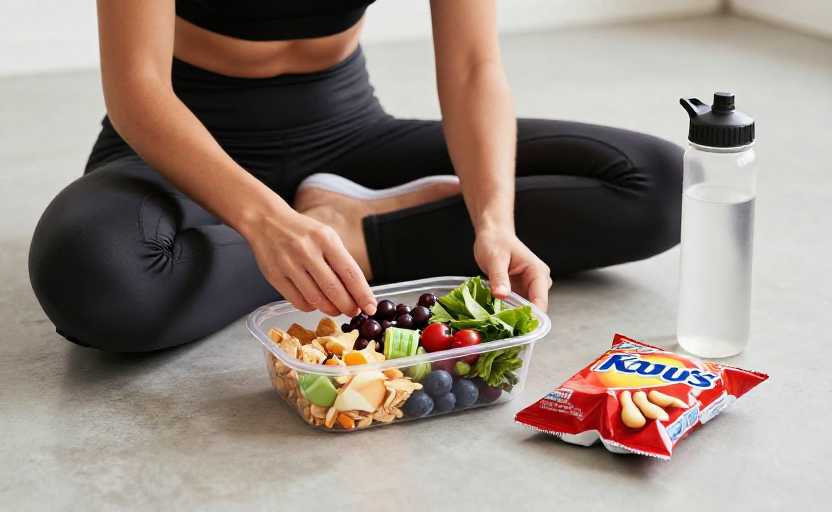
Let’s first talk about why we need to keep these three untouchable red lines. Uncooked foods such as sashimi, soft-boiled eggs, undercooked hot pot meat, and unwashed lettuce eaten raw may carry pathogenic bacteria such as Listeria and Salmonella. The immunity of mothers who have just given birth is weaker than that of ordinary people. Vomiting and diarrhea are mild. If antibiotics are needed, breastfeeding must be suspended, which is not worth the gain. Not long ago, I met a post-95s mother during a follow-up visit in the obstetrics department. She was greedy for half a portion of raw pickled shrimps just after she was discharged. She suffered from acute gastroenteritis for three days, and half of her milk that was originally enough to eat suddenly returned. She sat at the nurse's station and cried for a long time, saying that she would have known better if she had endured it.
Food containing alcohol is indeed controversial. Many people of the older generation still believe that eggs boiled with fermented glutinous rice and eggs mixed with rice wine can promote lactation and warm the body. My grandma still talks about how my mother drank half a can of home-brewed rice wine when she gave birth to me to get enough milk. However, modern evidence-based medicine has made it clear that alcohol will enter the baby's body directly through milk. Even a small amount may affect the baby's neurological development. On the contrary, it will inhibit the lactation reflex and reduce milk production. If you are really greedy and want to drink glutinous rice wine, be sure to cook it for an additional twenty minutes with the lid on to let the alcohol evaporate completely before touching it. Otherwise, there is really no need to take this risk. In the past two years, I saw the news that the mother drank two bowls of rice wine to feed her baby. The baby was so drunk that he slept for more than ten hours and did not wake up until he was sent to the hospital. It was scary.
As for the food you are allergic to, let’s not talk about it. If you are allergic to mangoes or seafood before pregnancy, of course you should not touch them after giving birth. If you are fine with what you ate before, just eat them normally. Unless you find that your baby suddenly develops eczema, diarrhea, and cries for no apparent reason after eating, you can stop eating this type of food for two weeks to see if it improves. There is a high probability that your baby is temporarily intolerant to the small molecules in the food. You can wait until the baby is older and the gastrointestinal development is complete. There is no need to be blacklisted for life.
As for the remaining taboos that everyone asks about every day, to put it bluntly, most of them are matters of "A is like honey and B is like arsenic", and there is no unified standard at all. Let’s talk about whether we can eat cold food. Last year, my best friend gave birth to a baby in the dog days of summer. The room temperature in the ward was 39 degrees. She broke out in a sweat right after she finished. She wanted to drink an ice coke, but her mother-in-law stopped her and said, "The baby will have green stool after eating cold food." As long as your stomach can tolerate it and you don’t have stomach pain or diarrhea after eating it, it’s totally fine. Of course, if you usually get stomach upset when you drink ice-cold drinks, then definitely don’t touch it. It all depends on your physical condition. There are no rules that apply to everyone.
The same applies to whether you can eat spicy food. I'm from Sichuan. My sister-in-law ate slightly spicy twice-cooked pork on the third day after giving birth. She didn't get angry or constipated, and the baby didn't develop eczema or red buttocks. Nothing happened. If you have a physique that doesn't like spicy food, there is no need to eat boiled vegetables directly after giving birth. It would be too unfair. If you are really worried, drink two more glasses of water after eating and observe the baby's reaction. If there is no abnormality, continue eating. If there is any reaction, it can stop for a few weeks. It is not too late to try again when the baby is older and has stronger tolerance.
There is also the saying that leeks, malt, and celery will return to milk. It is really too metaphysical. My colleague’s milk supply was enough to fill the refrigerator, and she didn’t feel any shortage of milk even after eating leek dumplings. Another friend accidentally took a sip of malt tea and lost half of her milk supply. There is no need to follow this statement of great individual differences as an iron rule. If you don't have enough milk, there is nothing wrong with avoiding it temporarily. If you have too much milk and you can't finish it, what's wrong with eating a leek box?
Oh, and here’s a little reminder that many people haven’t mentioned. In the first week after giving birth, don’t drink any soup with a thick layer of oil on it, such as pig’s trotter soup or old hen soup. Drinking too much oil can easily lead to milk blockage. My cousin had just given birth at that time, and my mother-in-law cooked chicken soup every day without skimming the oil. As a result, she developed a fever on the third day due to breast congestion. She cried so much that the entire floor could be heard when the breast was released. It was really not a crime. When drinking soup, skim off the oil and eat more lean meat, fresh vegetables, and eggs. If you have enough nutrition, your milk supply will naturally increase. You really don't need to rely on oil to supplement your body.
In fact, being a mother is tiring enough, with all kinds of rules that make you breathless, so you really don’t need to be too strict about your diet. Keep those three red lines that cannot be touched, and the rest will be as happy as possible. When you feel comfortable eating, you will feel better, your milk supply will be more stable, and your baby will also be happy, which is better than anything else.
Disclaimer:
1. This article is sourced from the Internet. All content represents the author's personal views only and does not reflect the stance of this website. The author shall be solely responsible for the content.
2. Part of the content on this website is compiled from the Internet. This website shall not be liable for any civil disputes, administrative penalties, or other losses arising from improper reprinting or citation.
3. If there is any infringing content or inappropriate material, please contact us to remove it immediately. Contact us at:
