Cholecystitis dietary taboos
High-fat and high-cholesterol foods, highly irritating foods, and gas-producing/difficult-to-digest foods that easily increase the burden of digestion. Other than these, there are no foods that are absolutely untouchable. The core principle is to "match the current gallbladder status and not cause discomfort."
During the half year I rotated in the Department of Gastroenterology, the emergency department was extremely busy after the holidays. More than half of the patients with abdominal pain suffered from acute attacks of cholecystitis. When asked, they basically couldn’t escape a family dinner heavy with oil and meat: the most impressive thing She was an aunt in her 60s. She brought her favorite pickled pork elbows and braised pork sausages when she went home on weekends. She ate two kilograms in one meal, and she was rolling on the floor in pain in the middle of the night. When she came, her bilirubin was three times higher in her blood test, so she was admitted directly to the hospital.
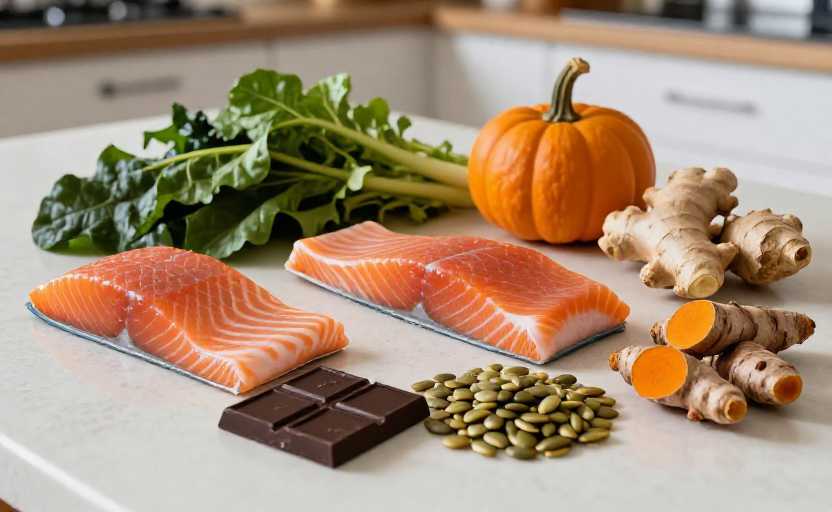
Many people's awareness of high-fat foods is still limited to fat meat and animal offal. In fact, we need to be more vigilant about invisible fats: trans fats in crispy bread and cream cakes, non-dairy cream in potato chips and puffed foods, and even salad dressings and peanut butter that you think are healthy. The fat content can reach more than 60%. One bite of fat is more likely to stimulate violent contraction of the gallbladder than two pieces of fat. Of course, this does not mean that we should completely insulate ourselves from fat. Now the new clinical consensus has long overturned the old concept of "full nutrition". As long as the daily fat intake is controlled within 20-30g, priority is given to foods containing unsaturated fatty acids such as olive oil and deep-sea fish. On the contrary, it can help normal metabolism of bile and avoid stasis, which is much better than plain porridge and vegetables.
Speaking of irritating food, the most common pitfall for everyone is to eat indiscriminately. Last month, there was a young man in his 20s who was just discharged from the hospital on the third day after conservative treatment for cholecystitis. He went to eat spicy butter pot with a friend, and also had cold beer. Halfway through the meal, he was carried over in pain. The edema of the gallbladder wall was even worse than before. In addition to spirits, super spicy food, and iced drinks, high-salt pickles and heavy-sugar desserts can also stimulate biliary spasm. When there are no symptoms, eating a few bites is not a big deal, but avoid them during the attack. By the way, there has been no unified conclusion in the industry about whether coffee and light tea can be drunk: some studies believe that unadded black coffee can promote bile discharge and reduce the risk of gallstones. There are also many clinical cases showing that sensitive patients can induce biliary colic after just one sip. In this case, don’t set strict standards. Try taking a few sips first. If you don’t feel uncomfortable, drink a cup once in a while. Stop if it hurts. This strategy is more effective than any other.
There is another type of taboo that people rarely notice, which is indigestible food that easily produces gas. There was a patient who was just discharged from the hospital last week. When he got home, he felt that he needed to supplement some dietary fiber. He ate a whole roasted sweet potato and drank a large bowl of iced soy milk. In the middle of the night, he felt a sharp pain in his upper right abdomen. He came for a follow-up examination in a hurry. After a color ultrasound, nothing happened. His stomach was full of gas, and the high intra-abdominal pressure was pulling on his gallbladder. It was all in vain. Similarly, eating a lot of raw broccoli, onions, and fried soybeans is not harmful to the gallbladder in itself, but eating too much can cause bloating. It is fine to eat a little when there are no symptoms. During the attack, try to cook it soft and eat a small amount, so as not to make yourself uncomfortable.
I often tell the patients in the ward that there is really no need to regard dietary taboos as high-voltage wires that cannot be touched. I met a patient before who did not even dare to put oil in cooking after suffering from cholecystitis. He only ate white porridge with boiled vegetables. After three months of eating, he not only lost 20 pounds in weight, but also found cholestasis. Instead, he developed new small stones. It was completely overcorrected.
In fact, in the final analysis, the core of taboos is to make yourself comfortable, not to set a bunch of harsh rules for yourself. If others eat something that is fine, don’t touch it if it hurts. If you eat something that doesn’t react, there is no need to dare not taste it just because of the taboo list on the Internet. It is more reliable to understand the boundaries of your own body than any general guideline.
Disclaimer:
1. This article is sourced from the Internet. All content represents the author's personal views only and does not reflect the stance of this website. The author shall be solely responsible for the content.
2. Part of the content on this website is compiled from the Internet. This website shall not be liable for any civil disputes, administrative penalties, or other losses arising from improper reprinting or citation.
3. If there is any infringing content or inappropriate material, please contact us to remove it immediately. Contact us at: