Diet taboos during confinement period
The first is various alcoholic drinks and foods, the second is uncooked raw water, spoiled and contaminated food, and the third is raw and cold high-risk foods that have not been fully heated (such as sashimi, soft-boiled eggs, and unsterilized refrigerated fresh milk, which are easy to carry Listeria monocytogenes, and the maternal immunity is low and the risk of infection is very high). The rest of the "taboos" that have been circulated for decades or even hundreds of years, most of them have specific applicable scenarios and are not iron rules that must be followed at all.
A while ago, I accompanied my little sister who had just given birth to a check-up. She complained to me that she felt like a monk during the entire confinement period. Her mother-in-law did not allow her to touch salt or eat fruits. Even drinking water had to be scalding to the temperature of her mouth. If she even mentioned that she wanted to eat something flavorful, she would be told, "You will cry if the root cause of the disease is discovered in the future." In fact, I have heard too many similar disputes. Just on the question of "can I drink room temperature water?" friends from different places around me can argue with three or four factions.
My cousin from the Northeast gave birth to a baby last winter, and her mother-in-law refused to let her drink even warm mineral water, saying, "Cold water will penetrate your bones, and your joints will ache when you get older." This was actually true a few decades ago - at that time, there was no heating in the rural areas of Northeast China, and the house was more than ten degrees below zero, and the water freshly drawn from the well was so icy that it pricked your hands. After giving birth, the mother's immunity was low, so drinking it was indeed prone to colds and diarrhea. But now the heating at home is turned on to 24 degrees, and the water at normal temperature is only about 20 degrees. There is no problem if I drink the warm water. Later, my cousin secretly drank half a bottle of normal-temperature orange juice while her mother-in-law was out, and there was no problem. On the contrary, I drank hot drinks every day, and there were several big blisters at the corners of my mouth. According to the puerperium guidelines of the Obstetrics and Gynecology Branch of the Chinese Medical Association, drinking water of any temperature is fine as long as it is clean and comfortable in the mouth. If you have a weak stomach, drink warm water. If you usually like to drink cold drinks, there is no need to force yourself to drink hot drinks. There is really no need to be hard on yourself.
There is also the most widely circulated saying "you cannot eat salt during confinement". My former colleague really stepped into this trap. Her mother-in-law made her salt-free pork rib soup and millet porridge for a week. She was so weak after eating that she couldn't even hold the baby. She went to the hospital for a follow-up check to find out that her blood sodium was low. The doctor scolded the family members and said that less salt was not allowed. Normal people can't bear it without salt, let alone a mother who has just given birth and spent so much energy. This is true. People in the past said to eat less salt because during confinement period, people drank thick broth every day, which had high purine and sodium content. Adding more salt will indeed aggravate the edema left over from pregnancy and increase the burden on the kidneys. Nowadays, everyone has a light diet. When cooking, put less half a spoonful of salt. Just don't eat heavy pickles and braised vegetables. It's just a waste of time to have no salt at all. Oh, by the way, a small amount of salt is always added to Cantonese-style confinement meals, and tangerine peel and ginger slices are also added for seasoning. People do not say that salt is not allowed. It is just that the old rules in many places have been passed down.
As for the often asked question of whether you can eat spicy food or seafood, there is no standard answer. My friend from Chongqing secretly ate two bites of the slightly spicy noodles her husband brought her on the third day after giving birth. She had no constipation or hemorrhoids, and the baby had no eczema or diarrhea after drinking milk. Nothing happened. But if you have severe hemorrhoids after giving birth, or your baby is found to be allergic to seafood, you must avoid it temporarily. Evidence-based medicine has never said that mothers must avoid spicy seafood. As long as you don’t feel uncomfortable after eating it, and your baby doesn’t have allergic reactions, you can eat it. Otherwise, you will be in a bad mood during confinement. If you eat boiled vegetables every day, then you can suppress depression?
Oh, by the way, many working mothers ask if they can drink coffee. In fact, the daily intake of caffeine should not exceed 200 milligrams, which is the amount of a medium-sized American cup. It is completely fine. If you are afraid of affecting the baby, it is ok to breastfeed two hours after drinking. There is no need to quit completely.
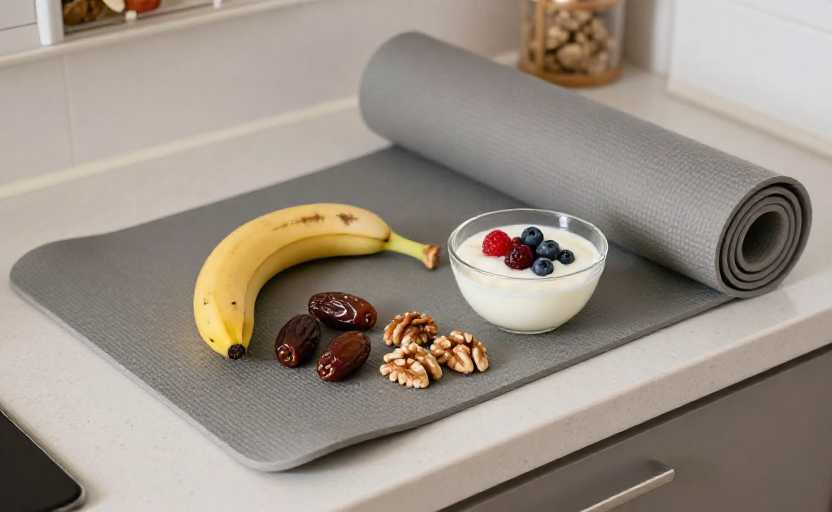
There are also many people who say that you should not eat fruits during postpartum period because they are afraid of coldness. I have seen apples steamed until they are so sour that they will cause tooth loss. In fact, there is no need at all. Just wash the fruits at room temperature and eat them directly. If you are afraid of coldness, soaking them in warm water for two minutes is enough. The vitamins and dietary fiber in the fruits are very useful for relieving postpartum constipation. My little sister was afraid to eat fruits before and was constipated to the point of using Kaisel. Later, she listened to the doctor and ate one banana and one orange every day, and she was fine within two days. On the contrary, many families force mothers to drink pig's trotter soup and crucian carp soup every day to reduce lactation. In fact, 90% of the soup is fat and purine, and the nutrients are all in the meat. Drinking too much will not only cause lactation blockage, but also cause weight gain quickly. It is better to eat two more pieces of lean meat and drink two more sips of warm water.
To be honest, I have met so many mothers, and I have never seen anyone suffer from postpartum syndrome just because they ate a mouthful of room-temperature fruits or vegetables with a little salt. On the contrary, there are many who strictly abide by all kinds of weird taboos. They either have insufficient nutrition and are slow to recover, or their mood is so bad that they suffer from postpartum depression. Confinement confinement is a hard enough job in the first place. Those old rules are all accumulated from experience when supplies were scarce and medical conditions were poor. They should have been flexibly adjusted by now. How can there be so many black and white taboos? If you eat happily, have enough nutrition, and your baby is healthy, it will work better than any of the old rules that have been passed down for hundreds of years.
Disclaimer:
1. This article is sourced from the Internet. All content represents the author's personal views only and does not reflect the stance of this website. The author shall be solely responsible for the content.
2. Part of the content on this website is compiled from the Internet. This website shall not be liable for any civil disputes, administrative penalties, or other losses arising from improper reprinting or citation.
3. If there is any infringing content or inappropriate material, please contact us to remove it immediately. Contact us at: