
Oral ulcer dietary taboos
During the onset of the disease, priority should be given to avoiding the three types of foods that are highly irritating, highly allergenic, and likely to cause physical friction. As long as the other foods are not painful and will not aggravate the ulcer, you can basically eat them normally. There is no need to be overly taboo.
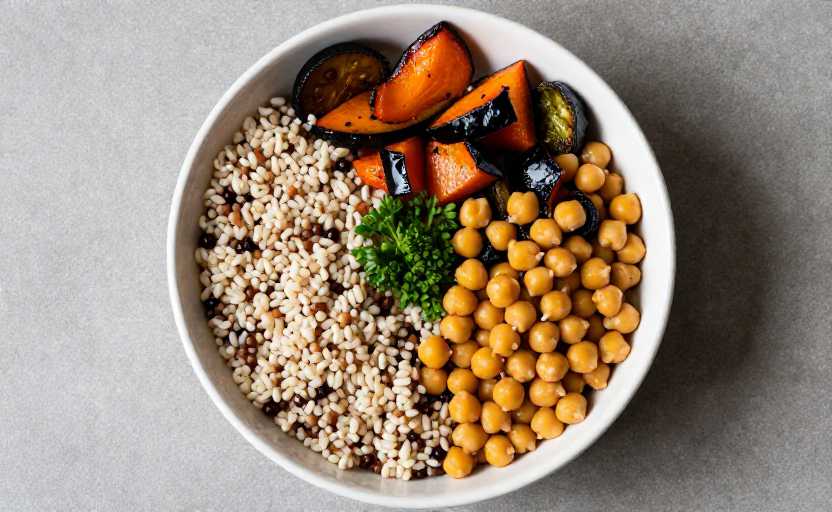
Anyone who has ever had an ulcer will understand. It hurts so much that you can’t even speak, let alone eat. The slightest touch can make you frown in pain. I had a small ulcer on the tip of my tongue last week. I stared at the freshly unpacked salted duck for a long time, swallowed my saliva, and then took a tentative bite. The salty taste of the marinade mixed with the stimulation of the chili went straight to the Tianling Gai. The pain made me burst into tears on the spot, and it took me a long time to recover.
In fact, many people have misunderstandings about the dietary taboos for ulcers. They think that only spicy food cannot be touched, but this is not the case. Freshly baked pan-fried pancakes, piping hot milk tea, ice cream so cold that your teeth are sour, lemon passion fruit that is so sour that you frown, espresso that is so bitter and astringent, and white wine with high alcohol content. These foods with high temperature, pH, and irritation can make you shiver in pain as long as you touch the ulcer. In severe cases, the ulcer will become red and swollen. It may heal in three or four days, but it may take up to a week to heal. I foolishly heard people say that putting vitamin C tablets on ulcers will heal quickly. The moment I put them on, the pain almost made me jump. Later I learned that high-concentration acidic vitamin C can actually burn mucous membranes, which is just adding insult to injury.
Speaking of which, many people tend to equate "hair growth" with dietary taboos for ulcers, which is also the most controversial point at present. There is no concept of "fat" in the Oral Mucosal Guidelines of Western Medicine. It is generally believed that as long as you are not allergic to foods such as beef, seafood, and mangoes, and there is no obvious increase in redness and swelling in ulcers after eating, you can eat normally. On the contrary, the high-quality protein and vitamins in these foods can help the mucosa repair faster. However, traditional Chinese medicine believes that such inflammatory foods will aggravate the inflammatory response in the body, especially for people with a body that is prone to getting angry. Eating less during an attack can reduce the risk of worsening ulcers. Both statements have clinical basis. In fact, it can be completely based on your own physical condition. If your ulcers get worse every time you eat shrimp, then avoid it for the time being. If you don't feel anything after eating it, eat it when you need to. There is no need to treat yourself hard.
There is another type of taboo that is easily overlooked, which is food that easily causes physical friction. Baked bread slices that are dry and hard, crispy potato chips with sharp edges, sharp fish bones, sugar cane that is difficult to chew, and even hard nuts can easily scratch the ulcer surface when eaten in the mouth. The already fragile mucous membrane will be scratched, which will not only hurt, but also prolong the healing period. Last month I was craving sugar cane, and the ulcer on my lower lip, which was already healed, was rubbed with hard fibers and bled. The pain lasted for four days before it healed. I regretted that I slapped my thigh.
I read a while ago that someone said that if you have an ulcer, you should eat more "fire-relieving" foods such as bitter melon and andrographis. I tried eating these for two days, but the ulcer didn't heal. I was so miserable that I didn't even want to eat. Later, I asked a doctor I know well and found out that most of these so-called fire-relieving foods are cold in nature. If people with a weak spleen and stomach eat too much, they are more likely to have stomach problems, their immunity is reduced, and the ulcers heal more slowly.
In fact, to put it bluntly, there are really not so many restrictions on dietary taboos for ulcers. I have been a doctor myself for a long time, and my current principle is very simple: don’t touch anything that hurts after eating, and just eat normally if you don’t feel it after eating. During the attack period, I would specially cook some soft steamed eggs, boiled noodles, and put soft fruits such as strawberries and kiwis in the refrigerator for ten minutes before eating. The coldness in the mouth can also relieve the pain, and the nutrition is also good, which makes me feel better faster.
After all, having ulcers is troublesome enough, so just eat what you like if you can, and don’t put too many unnecessary taboos on yourself, right?
Disclaimer:
1. This article is sourced from the Internet. All content represents the author's personal views only and does not reflect the stance of this website. The author shall be solely responsible for the content.
2. Part of the content on this website is compiled from the Internet. This website shall not be liable for any civil disputes, administrative penalties, or other losses arising from improper reprinting or citation.
3. If there is any infringing content or inappropriate material, please contact us to remove it immediately. Contact us at:
