
Thyroiditis dietary taboos
Long-term excessive intake of high-iodine foods, long-term consumption of large amounts of raw cruciferous vegetables, and frequent consumption of processed foods high in refined sugar and trans fatty acids. The rest of the dietary requirements must be adjusted based on the type of thyroiditis, the stage at which it is located, and the individual's iodine nutritional status. There is no need to limit all foods.
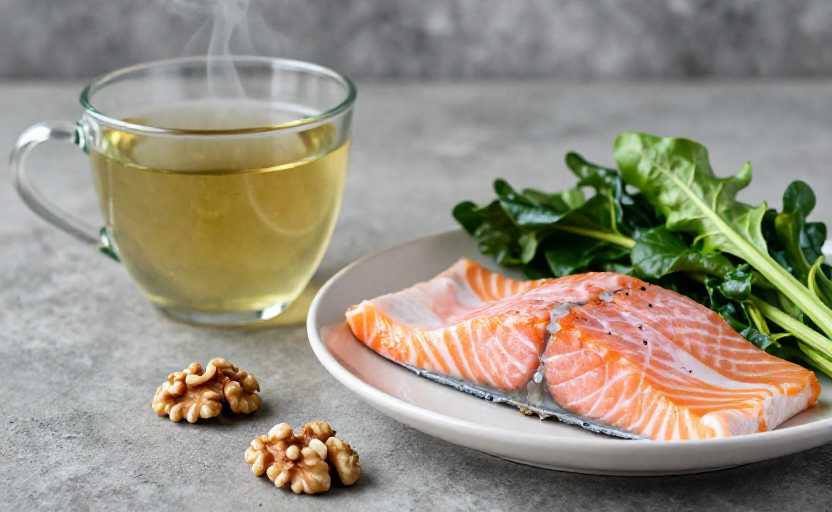
Let’s talk about the most controversial issue of iodine intake first. I met a 27-year-old Hashimoto girl last year. I heard online that she had thyroid problems and needed to take iodine supplements. She had to have a small plate of cold kelp with every meal, and she even threw in a few slices of seaweed to make soup. After a follow-up examination three months later, the thyroid peroxidase antibodies had almost doubled, and the thyroid function had also drifted towards hypothyroidism. Regarding the intake of iodine, there are indeed differences in views from different fields: the consensus among mainstream endocrinology departments is to adjust in stages. In the period of Graves' disease with hyperthyroidism and Hashimoto's thyroiditis in the period of hyperthyroidism, iodine should be strictly limited, try to use non-iodized salt, and avoid foods with extremely high iodine content such as kelp, seaweed, wakame, and mussels. When you enter the hypothyroidism period with stable thyroid function or the carrying period with normal thyroid function, as long as the urine iodine test does not exceed the standard, it is perfectly fine to eat iodized salt normally and eat some marine fish and shrimp occasionally. ; However, functional medicine and natural medicine schools now recommend that Hashimoto’s patients maintain low iodine intake for a long time. The reason is that excessive iodine will aggravate the oxidative stress response of the thyroid and push up antibody levels. However, this view is not supported by large-scale evidence-based medicine. You can adjust it according to your body’s reaction. If you try a low-iodine diet for three months and the antibodies have indeed dropped and you feel comfortable, continue to maintain it. If there is no change or even the thyroid function is disordered, just switch back to an iodine-appropriate diet. There is no need to stick to a certain view.
Don’t blacklist all seafood as soon as you hear about iodine restriction. In fact, the iodine content of marine fish and shrimp is about the same as that of eggs, far less exaggerated than kelp and seaweed. During the stable period, eating appropriate amounts of high-quality protein will be good for your health.
After talking about iodine, the most frequently asked question is “Are broccoli, cabbage, radish and other cruciferous vegetables inedible?” ”I met a retired aunt two years ago. After being diagnosed with Hashimoto, she didn’t even dare to touch radish-filled dumplings. Over the past six months, her constipation became more and more serious. She went for a colonoscopy and found out if there were any problems. When I asked her, I found out that she had stopped eating cabbage, radish, and rapeseed. She only dared to eat "safe vegetables" such as winter melon and pumpkin every day, and her fiber intake was seriously insufficient. In fact, this taboo is really spread too far. The thiocyanate in cruciferous vegetables will indeed affect the iodine uptake of the thyroid gland. However, only if you eat more than 1 kilogram of raw cruciferous vegetables every day, or drink two or three liters of raw broccoli and celery juice every day, can the amount of thiocyanate reach the level of causing disease. After cooking, most of the thiocyanates will be destroyed. If you usually eat a plate of fried cabbage and half a piece of steamed broccoli at a meal, there will be no impact at all.
Interestingly, many people focus on the so-called "special taboos" such as iodine and cruciferous vegetables every day, but ignore the dietary factors that have a greater impact on thyroiditis: milk tea, cream cakes, fried chicken, crispy bread, etc. that are usually bought casually. Regardless of the type of thyroiditis, there is essentially a chronic inflammatory response. Refined sugar and trans fatty acids will directly increase the level of inflammatory factors in the body. Not only may it increase antibodies, it may also make people gain weight and feel groggy all day long. These problems will in turn increase the burden on the thyroid gland. I used to have a young man who worked in the Internet. His Hashimoto's A function was normal but he always felt tired. His antibodies had been high for two years in a row. I asked him not to worry about a low-iodine diet and avoid cruciferous vegetables. He first stopped drinking a cup of pearl milk tea a day and eating late-night fried chicken three times a week. After three months, he checked again and found that his antibodies had dropped by almost a third. People also said that he was less sleepy at work.
As for the frequently asked questions about whether you can eat spicy food, whether you can eat soy products, and whether you can drink coffee, there is really no unified taboo. If you don’t feel uncomfortable after eating it, you can eat it normally. For example, you won’t feel flustered and insomnia after drinking coffee. A cup of black coffee every day can also help improve your metabolism. As long as you don’t have soy allergies or high uric acid problems, eating soy products normally and supplementing with plant protein will be beneficial. Not to mention spicy ones. As long as you don’t get gastrointestinal burn after eating them, there is no need to be specific about them.
I have been practicing medicine for so many years, and I have seen too many people live a miserable life because of dietary restrictions. They dare not use chopsticks when having dinner with friends, and they have to bring their own non-iodized salt when going out to eat. Instead, they are so anxious that they cannot sleep well every day. You must know that the impact of mood swings on the thyroid is much greater than if you occasionally eat a bite of kelp or a plate of fried cabbage. If you are really not sure how much iodine you should eat, go to the hospital to check your urine iodine to see your iodine nutritional status. It is much more reliable than searching for ten random taboo posts on the Internet.
Disclaimer:
1. This article is sourced from the Internet. All content represents the author's personal views only and does not reflect the stance of this website. The author shall be solely responsible for the content.
2. Part of the content on this website is compiled from the Internet. This website shall not be liable for any civil disputes, administrative penalties, or other losses arising from improper reprinting or citation.
3. If there is any infringing content or inappropriate material, please contact us to remove it immediately. Contact us at:
