
Rheumatism dietary taboos
It's enough to avoid foods that are known to trigger your own inflammation and worsen joint pain, and then make adjustments based on the specific rheumatism classification.
Don't believe it, I recently treated an Aunt Zhang who has been suffering from rheumatoid for 12 years. Her indicators have been very stable before. Last month, while walking in the community, I heard from an old sister that rheumatism is a "paralysis syndrome" and all "hairy things" are untouchable. I went home and took the steamed food I had eaten for several years. I stopped eating shrimps and soy milk, and I didn’t even dare to eat more eggs. As a result, I started to feel dizzy just three months later. During the follow-up check-up, my albumin level was much lower. My immune system was so weak that I caught a cold just by the slightest breeze. On the contrary, it induced arthritis, and I was in so much pain that I couldn’t even walk down the stairs.
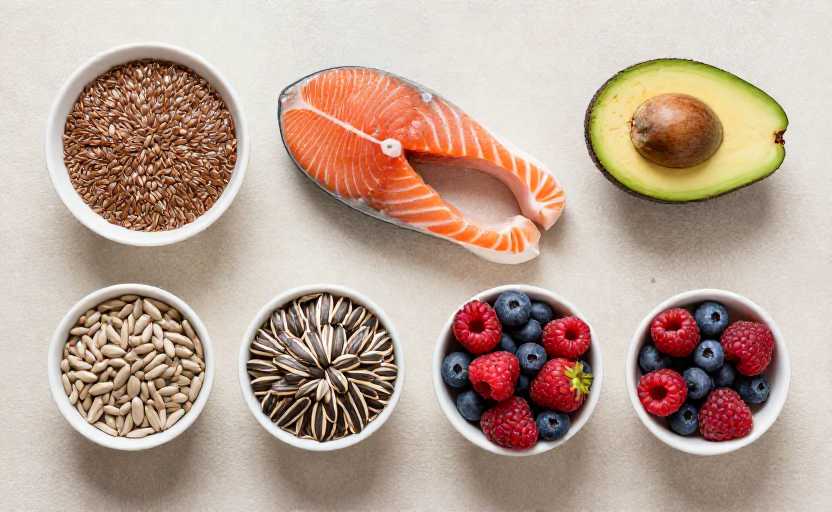
When it comes to the seafood issue that everyone is most concerned about, there are indeed differences in the recommendations in different fields. The view of Western medicine is very clear: only patients with hyperuricemia or gouty arthritis need to strictly limit ultra-high purine foods such as oysters, sardines, animal offal, and thick broth. If you suffer from rheumatoid, ankylosing spondylitis, Sjogren's disease, For common rheumatism syndrome, blood uric acid has always been stable within the normal range. There is no need to completely quit seafood. Eat steamed seabass and prawns 1-2 times a week. The supplemented Omega-3 can also help reduce the level of inflammation in the body, which is beneficial to the condition. Traditional Chinese medicine believes that rheumatism is a "paralysis caused by wind, cold, and dampness invading the body." Foods that are naturally cold, such as ice beer, iced watermelon just taken out of the refrigerator, and raw pickled crabs, can easily block the flow of qi and blood and may aggravate the symptoms of cold and painful joints. Patients who are afraid of cold and have joint pain when they get cold can avoid it appropriately. If you have a damp-heat constitution, are usually afraid of heat, and your joints are often red, swollen, and hot, eating less is not a big problem.
When it comes to the controversy over high purine levels, soy products are also the hardest hit area. When many people mention soybeans, they say that they are high in purines. In fact, the purine content of dry soybeans is indeed not low. However, the tofu, soy milk, and qianzhang that we usually eat have been grinded with water, boiled, and stewed. Most of the purines are dissolved in the water and removed. In the end, The purine content of the finished product is lower than that of many meats. As long as your uric acid does not exceed the standard, drinking a cup of soy milk and eating half a piece of tofu a day will not be a problem at all. Instead, it can supplement plant protein and calcium, which is especially friendly to patients who have been taking hormones for a long time to prevent osteoporosis. There was a 28-year-old ankylosing young man who heard on the Internet that soy products would aggravate inflammation. He had not eaten any soy foods for three years. His last physical examination showed that his bone density was lower than that of a 60-year-old man. He always suffered from pain in his waist and legs, which made his condition worse.
Of course, this does not mean that all foods can be prepared casually. There are several types of foods that almost all rheumatism patients are advised to avoid. The first to bear the brunt are highly processed high-sugar foods, such as milk tea, cream cakes, and cookies. Both Chinese and Western medicine now recognize that high sugar will promote the release of inflammatory factors in the body. At least 30% of the patients I have contacted said that drinking milk tea and eating desserts for two or three days in a row will significantly increase the frequency of joint swelling and pain, and prone to acne on the face. Also eat less high-salt pickled vegetables, soy meat, and pickled seafood. Especially patients who take hormones for a long time are prone to water and sodium retention. Eating too much salt will aggravate the edema of the lower limbs and accelerate the loss of calcium, which is bad for the bones.
Finally, I would like to give you the most practical advice: Don’t follow the general list of food taboos on the Internet. It is best to keep a simple food diary. If you eat any new food that causes joint pain, rash, or body discomfort, write it down and try to avoid it in the future. After all, everyone’s physique is different. If someone else touches a food that is fine, you may feel uncomfortable after eating it, and vice versa.
In the final analysis, the diet of rheumatism patients is never a shackle for themselves. There is no need to worry about whether they can eat this or that because of one bite. The ultimate goal is to keep up with nutrition, feel comfortable, and have stable indicators. If you are really not sure whether you can eat something, try a few bites less, eat without any discomfort, and be happy is better than anything else.
Disclaimer:
1. This article is sourced from the Internet. All content represents the author's personal views only and does not reflect the stance of this website. The author shall be solely responsible for the content.
2. Part of the content on this website is compiled from the Internet. This website shall not be liable for any civil disputes, administrative penalties, or other losses arising from improper reprinting or citation.
3. If there is any infringing content or inappropriate material, please contact us to remove it immediately. Contact us at:
