Diet taboos for patients with proteinuria
Don’t blindly over-supplement protein, don’t eat high-salt and high-sodium foods, be careful about eating too many high-purine and high-oxalate foods, and definitely don’t touch medicinal and food ingredients that contain nephrotoxicity. The rest of the diet does not need to be overly strict and can be adjusted based on your own kidney function.
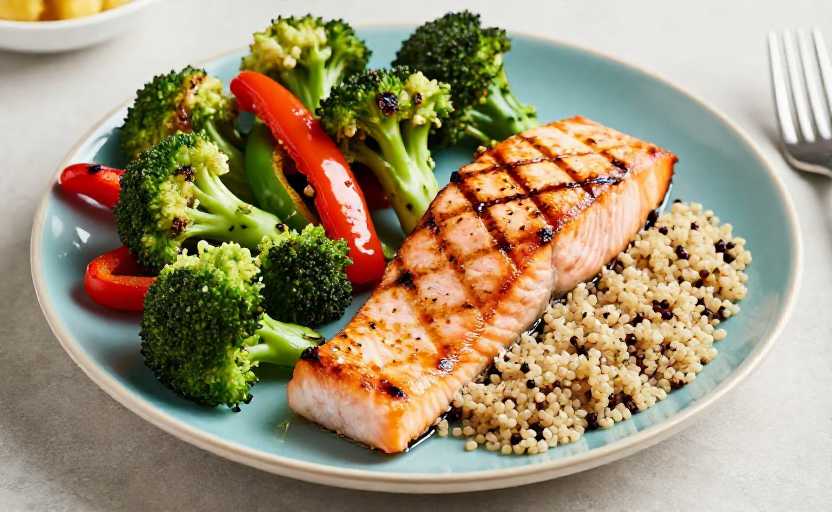
To be honest, I have been in the follow-up position in the Department of Nephrology for 3 years, and the most common misunderstanding I have seen is that "you have to make up protein if you leak protein." There was a 62-year-old aunt with chronic nephritis who was diagnosed with 2+ protein in her urine. She heard from neighbors in the community that if she missed anything, she had to make up for it. Every morning she had to eat 3 eggs and 2 bowls of freshly ground soy milk, and she had to stew a bowl of crucian carp soup at noon. However, during a follow-up examination after half a month, the protein in her urine soared to 3+, and half of her legs were swollen. In the early years, there was indeed a saying in the field of kidney disease that "you make up for what you lose". However, in recent years, a large amount of clinical data has confirmed that excessive protein intake will increase glomerular filtration pressure - to put it bluntly, adding pressure to the leaky "filter" of the kidney will cause more protein to leak. The current mainstream recommendation is a high-quality low-protein diet. A daily intake of 0.6-0.8g of protein per kilogram of body weight is enough. Priority is given to animal proteins such as eggs, milk, and lean meat that are easy to absorb. Of course, it is not completely stuck. If you are in the stage of nephrotic syndrome and your plasma albumin is already lower than 30g/L, you can also adjust the intake to 0.8-1.0g under the guidance of a doctor. There is no need to starve to malnutrition. Oh, by the way, there are also those fitness whey protein powders sold on the market. Don’t listen to the merchants’ nonsense about “no burden”. Don’t drink them casually without the guidance of a doctor. I have three young patients who bought them to replenish their bodies. After drinking them, their urinary protein levels increased by an extra cent.
A more common pitfall than blindly supplementing protein is everyone's neglect of invisible salt. Many patients said that I usually don’t eat pickles and marinated meat, so I must have too little salt. When asked, I order takeout every time, and I also like to drink noodle soup and spicy soup. Didn’t you know that an ordinary serving of braised chicken and rice can contain up to 5g of salt, while the recommended daily salt amount for patients with proteinuria is only 3g, which is almost the amount of half a beer bottle cap. A takeaway meal is more than the amount for a day. High salt will not only increase blood pressure, but also directly increase the pressure in the glomeruli. Even if you don't have any edema, eating too much salt will increase protein in your urine. However, not everyone is stuck with 3g. If you usually take natriuretic diuretics such as furosemide, or have shown hyponatremia in blood tests, you should appropriately relax your salt intake. Otherwise, you will easily suffer from low sodium reactions such as fatigue and nausea, which will be detrimental to your condition.
As for whether seafood, spinach, and Laohuo soup can be eaten, people often ask whether they can be eaten. In fact, they do not need to be directly included in the blacklist. At most, they are included in the "eat with caution" category. If your kidney function is normal and your uric acid is not high, it is perfectly fine to occasionally eat steamed shrimp or some blanched spinach. Blanching spinach for 1 minute can remove 80% of the oxalic acid, which will not put any burden on the kidneys at all. But if you already have renal insufficiency or have high uric acid, you should try to avoid foods with high purine and high oxalic acid levels, especially the Laohuo Jing soup that Guangdong friends love to drink that has been simmered for two or three hours. The purine is completely dissolved in the soup. Drinking a bowl of purine is equivalent to eating two or three pounds of meat. It can easily induce gout and increase the metabolic burden on the kidneys.
There is a type of food that you really cannot touch, and that is food and medicinal materials that are clearly nephrotoxic. For example, Guanmutong, Fangjiji, and Aokixiang containing aristolochic acid, as well as Sanchi notoginseng, which is commonly used to make wine among the people, and folk medicinal herbs of unknown origin. Many people think that "herbal medicines are all natural and have no side effects", and some people are looking for folk remedies to "tonify the kidneys". As a result, they suffer acute kidney injury directly after eating them, and their urinary protein levels soar to 3+ or 4+. I encounter three or four cases every year. There are also those health care products that claim to "protect the kidneys." If the ingredients are unknown, don't eat them casually. Many of them are filled with messy ingredients that can actually damage the kidneys.
In fact, there is really no need to make eating like a torture. I have seen some patients who dare not even add soy sauce and eat boiled vegetables every day. In the end, they become malnourished. Their immunity is weakened and they are prone to infections. Their urinary protein is not under control. The core of dietary taboos is never to eat this or that, but to try not to put extra burden on the already injured kidneys. Occasionally, if you are craving for a piece of soy sauce meat or drink two mouthfuls of soup, as long as the overall amount is controlled, there is no need to have too much psychological burden. After all, long-term and stable eating habits are much more important than the gain or loss of a meal.
Disclaimer:
1. This article is sourced from the Internet. All content represents the author's personal views only and does not reflect the stance of this website. The author shall be solely responsible for the content.
2. Part of the content on this website is compiled from the Internet. This website shall not be liable for any civil disputes, administrative penalties, or other losses arising from improper reprinting or citation.
3. If there is any infringing content or inappropriate material, please contact us to remove it immediately. Contact us at: