Diet taboos for female hypothyroidism
Blindly prohibiting/supplementing iodine regardless of type, long-term consumption of high-sugar and ultra-processed foods, and taking high-calcium/iron supplements with Euthyrox. Most of the other so-called "taboos" have prerequisites, so there is no need to be overly anxious.
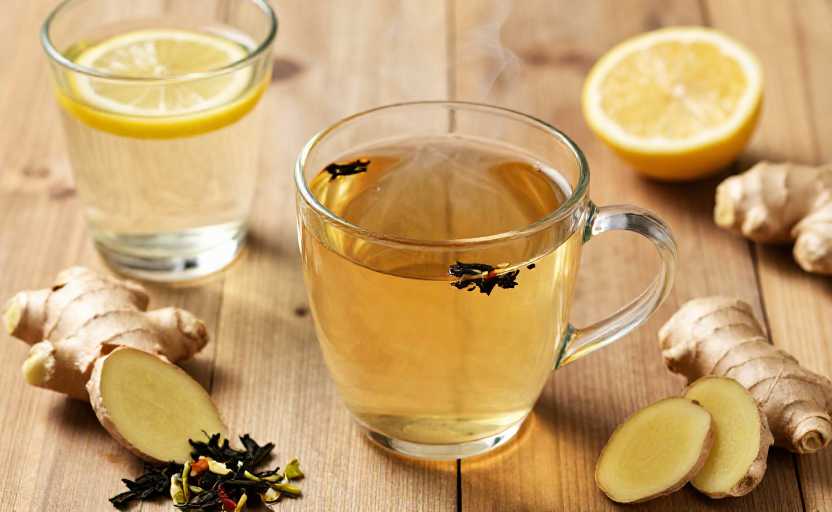
A while ago, I saw a 27-year-old girl who was diagnosed with Hashimoto's hypothyroidism. She read a book that said that iodine should be completely banned. She even replaced iodized salt with non-iodized ones for 3 months in a row. She didn't touch any seaweed or kelp. However, the thyroid stimulating hormone increased from 4.7 to 7.2 during a follow-up test, and the antibodies also increased a lot, which made me cry. In fact, regarding the iodine intake of patients with hypothyroidism, there is no one-size-fits-all standard in the academic community. It all depends on the cause of the disease: If it is primary hypothyroidism caused by iodine deficiency (for example, if you live in an iodine-deficient area for a long time and rarely eat seafood), you should supplement iodine appropriately, add iodized salt, and eat shallow sea fish 1-2 times a week. ; If it is hypothyroidism caused by Hashimoto's thyroiditis, which accounts for more than 70% of hypothyroidism in women, the requirement is to limit iodine rather than ban iodine. As long as you don't eat high-iodine foods such as kelp and seaweed every day, it is perfectly fine to eat iodized salt normally and occasionally eat shrimp and seaweed. However, complete iodine ban will lead to insufficient raw materials for thyroid hormone synthesis and aggravate the condition.
Don’t just focus on the issue of iodine. Many people have overlooked that high-sugar, ultra-processed foods are the invisible killer that drags down thyroid function. Many girls with hypothyroidism like to rely on milk tea, cream cakes, and prepared dishes to quickly replenish energy because their metabolism is slow and they get tired easily. The added sugar, trans fatty acids, and excessive sodium in these foods will further slow down the metabolism and aggravate the common problems of myxedema and fatigue with hypothyroidism. There was a patient who was working in new media. When she was working on a project, she ate braised chicken every meal for two weeks and a cup of iced milk tea every day. When she woke up in the morning, her face was so swollen that her eyes narrowed. She thought it was hypothyroidism and needed to take more medication. As a result, she stopped the prepared food and drank 1.5L of water every day. After eating light for a week, the edema disappeared and her thyroid function was very stable during the follow-up examination.
As for the most widely spread "cruciferous vegetables are completely inedible", it is really outrageous to open the door to outrageousness - extremely outrageous. The thiocyanate in cruciferous vegetables such as broccoli, cabbage, and radish will indeed competitively inhibit the thyroid's absorption of iodine, but the prerequisite is that you must eat it raw and eat more than 1 kilogram at a time to reach the pathogenic dose. Usually stir-fry half a plate of broccoli and stew radish soup. After cooking, most of the thiocyanate has been decomposed, so there is no need to worry. I have a best friend who suffers from Hashimoto’s disease. She eats roasted cauliflower for dinner twice a week. Her thyroid function has been stable for three or four years and she has never had any problems due to eating vegetables.
There is another pitfall that many people have stepped on: taking supplements indiscriminately. Many girls with hypothyroidism will suffer from calcium deficiency and iron deficiency anemia, so they buy calcium tablets and iron supplements to take. However, be aware that the calcium and iron ions in these supplements will combine with levothyroxine sodium (also commonly consumed Euthyroxine), affecting the absorption of the drug, which is equivalent to taking half a pill in vain. This does not mean that you cannot take these supplements, as long as they are staggered by more than 4 hours with the time you take medicine. For example, take Euthyrox on an empty stomach in the morning and take iron supplements after lunch. There is no conflict at all.
Finally, I would like to mention the controversial topic "hypothyroidism requires abstaining from gluten." There is currently no unified conclusion in the academic community. Only about 10% of Hashimoto's patients are also gluten intolerant. After these people quit gluten-containing foods such as wheat and barley, their antibodies will indeed drop significantly. However, if you do not have gluten intolerance, blindly abstaining from gluten will easily lead to insufficient carbohydrate intake, aggravate fatigue and hair loss. There is no need to follow the trend and suffer.
In fact, for so many women with hypothyroidism I have met, there is really no need to make their diet like a chemistry experiment. They must not touch this or that and must strictly calculate the weight. Most of them can control their hypothyroidism well as long as they avoid the core pitfalls mentioned above, eat a balanced diet, order less takeaways and drink less milk tea, and be less entangled in "I can't eat this." After all, the thyroid gland is a well-known emotional organ. If you are so anxious every day that you can't eat well, it will not be good for it.
Disclaimer:
1. This article is sourced from the Internet. All content represents the author's personal views only and does not reflect the stance of this website. The author shall be solely responsible for the content.
2. Part of the content on this website is compiled from the Internet. This website shall not be liable for any civil disputes, administrative penalties, or other losses arising from improper reprinting or citation.
3. If there is any infringing content or inappropriate material, please contact us to remove it immediately. Contact us at: