Foods that people with allergies can eat
As long as the food is not a food that you are clearly allergic to, and you do not experience allergic reactions such as rash, itching, respiratory discomfort, gastrointestinal disorders, etc. after eating it, you can eat it normally.
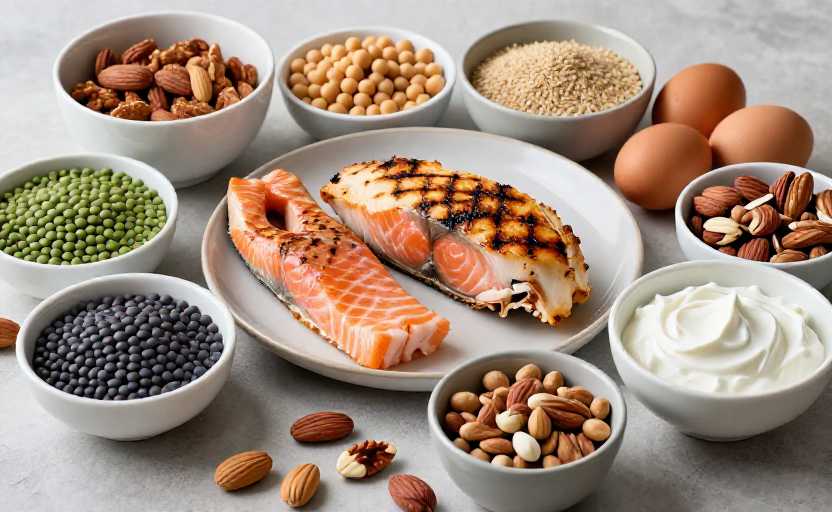
A while ago, I accompanied my child, who is allergic to mango and dust mites, to the allergist. She even complained to the doctor that she had followed the advice of her family members and avoided seafood, beef and mutton for half a year. However, she accidentally took a bite of a mango last week and went to the emergency room with a swollen mouth. She had been hungry for more than half a year. The doctor laughed on the spot and said that this is the biggest misunderstanding that many people have about allergies: they always think that there is a unified list of taboos. In fact, everyone's allergens are very different. If someone else touches something deadly, you may eat it without any problems, and vice versa. Oh, by the way, don’t think that only so-called “highly allergenic foods” such as mangoes and seafood can cause problems. I met a girl who was allergic to rice in a clinic before. She usually ate millet and quinoa every day, but she got a rash after just one bite of white rice. How can you explain this?
There has always been a saying among the people that "people with allergies should not touch food that causes allergies." The food here usually refers to seafood, beef and mutton, leeks, mangoes, and pineapples. This statement cannot be said to be completely unreasonable. After all, the allergenicity rate of these foods is indeed higher than that of conventional ingredients such as rice and cabbage. However, if you are not allergic to these foods, there is no need to avoid them. A parent brought his allergic child to a clinic I often go to for health check-up. He said that the child had not eaten a bite of eggs or touched a bite of shrimp since he was three years old. As a result, he was two centimeters shorter than his peers. After checking the allergens, he found that he was not allergic to anything. It was just a dietary restriction for hungry people. The gain outweighed the gain. Of course, some schools of traditional Chinese medicine believe that during an allergic reaction, it is necessary to reduce the intake of warm and dry hair products to avoid aggravating internal heat and causing recurrence of symptoms. Both views actually have applicable scenarios, and there is no need to argue about right or wrong.
Many people say that allergen testing is inaccurate, and this controversy does exist. The current common IgE test can only cover dozens of common allergens. If you are allergic to a relatively rare food, you may not be able to detect it. Therefore, the most reliable thing is to keep a food record yourself. Write down what you eat that makes you feel uncomfortable. If you eat the same thing two or three times in a row and the problem occurs, that is basically it. It is more accurate than the test sheet. If you have just been diagnosed with an allergy and haven't figured out the pattern yet, you can start by eating foods that you usually eat and have never had problems with. Don't suddenly try new things like chia seeds, chickpeas, and imported wild berries to keep healthy. I have a patient who usually eats ordinary strawberries and is fine. Last year, he bought a box of imported white strawberries, but he was allergic and got a rash on his face. It was because he had never been exposed to that type of plant protein.
As for the most frequently asked question "should milk and eggs be untouchable?", it really depends on the situation. If these two are not listed in your allergen test, and you don’t have diarrhea, rash, or wheezing after eating it, you can definitely eat it. Sufficient protein can also help stabilize your immune status, which is beneficial to regulating allergies. ; But if you are really allergic to whey protein or ovalbumin, you must avoid it. There are also many people who are allergic to raw eggs. Once cooked, the egg whites are denatured and they are fine. You don’t need to avoid them completely. There are people around me who have been avoiding eggs for five or six years. The last time I ate a fully cooked cake, I realized that I was fine at all. It was a mistake to my grandma’s house.
Oh, by the way, there is another confusing point: if you are suffering from hives, or have severe asthma due to allergic rhinitis, temporarily eat less spicy, alcoholic, and too hot foods. It does not mean that you are allergic to these, but that they will dilate blood vessels and aggravate the symptoms of redness, swelling, itching, and nasal congestion. Many people think that they are allergic to chili peppers, but in fact it just aggravates the current inflammatory reaction. You should continue to eat after the attack period. A special reminder for people who are allergic to pollen such as wormwood and ragweed. Be careful when eating mangoes, peaches, and cantaloupe. Cross allergies are likely to occur. When I was allergic to ragweed last fall, I took a bite of a crisp peach and my mouth immediately became numb and swollen all afternoon. The doctor said this is called pollen-food allergy syndrome because the proteins in these foods have a similar structure to the proteins in pollen, and the immune system gets confused. If you have seasonal pollen allergies, you should be more careful when eating fresh fruits and vegetables that are not very processed.
Don't believe in the saying that "eating more anti-allergic foods can cure allergies", such as grape seeds, broccoli, and special probiotics. I spent hundreds of dollars on imported probiotics that are said to be able to cure allergies. After taking them for three months, they were of no use. It would be better if I went to bed early for half an hour every day and drank less ice drinks. There is currently insufficient clinical evidence to prove that a certain food can directly fight allergies. As long as you have a balanced diet, adequate nutrition, and stable immunity, the frequency of allergic attacks will naturally decrease, and there is no need to pay the IQ tax.
After all, there is no standard answer to diet for people with allergies. Don’t blindly follow the list on the Internet, and don’t insist on eating it even though you feel uncomfortable. Pay more attention to your body’s reaction. It is more reliable than the list given by experts. If you are really not sure, just try a small amount. If there is a small problem, take anti-allergic medicine in time. If it is serious, go to the hospital. There are not so many things that you cannot touch. Don’t set limits for yourself. It will not do any good if you lose your mouth.
Disclaimer:
1. This article is sourced from the Internet. All content represents the author's personal views only and does not reflect the stance of this website. The author shall be solely responsible for the content.
2. Part of the content on this website is compiled from the Internet. This website shall not be liable for any civil disputes, administrative penalties, or other losses arising from improper reprinting or citation.
3. If there is any infringing content or inappropriate material, please contact us to remove it immediately. Contact us at: