
Pay attention to eating healthily and stay safe throughout the winter
Pay attention to eating healthily and spend the whole winter safely. In winter, the cold climate makes our bodies feel more uncomfortable. Winter is a period of high incidence of many diseases. In order to survive the whole winter safely, the first thing we have to do is to arrange our diet reasonably, which is great for our body maintenance. The first thing is to achieve a balanced diet, so you must actively participate in the team of meal matching.
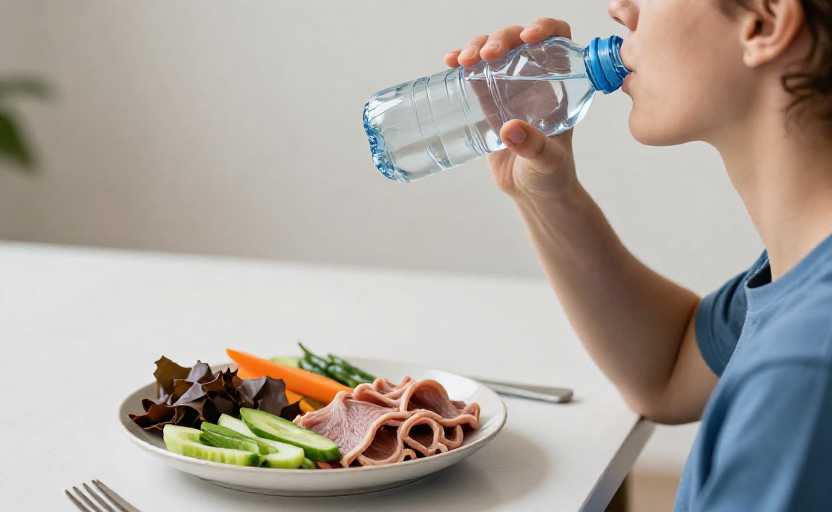
1. Increase the intake of cold-warming foods
In the cold winter, people often feel uncomfortable due to the cold, and some people are particularly afraid of the cold due to weak yang energy in the body. Therefore, in winter, it is necessary to appropriately use foods with cold-proof effects for warming and nourishing, so as to warm and nourish body tissues, strengthen physical fitness, promote metabolism, improve cold protection capabilities, maintain functional activities of body tissues, resist external evils, and reduce the occurrence of diseases. Traditional Chinese medicine believes that in winter, you should eat foods that are warm in nature, keep out the cold, and tonic, such as mutton, dog meat, soft-shell turtle, sparrow, shrimp, pigeon, quail, sea cucumber, wolfberry, leek, walnut, glutinous rice, etc.
2. Increase the intake of thermogenic foods
Due to the cold climate in winter, the body consumes more energy every day to adapt to the cold outside environment, so it needs to increase the intake of thermogenic nutrients. Thermogenic nutrients mainly refer to proteins, fats, carbohydrates, etc. Therefore, it is necessary to eat more foods rich in these three nutrients, especially to increase the intake of fat. For example, pay attention to the intake of fat when eating meat dishes, and add more cooking oil when cooking.
3. Supplement necessary methionine
Methionine can provide a series of methyl groups necessary for cold tolerance through transfer. Cold weather increases the excretion of creatine in human urine and accelerates fat metabolism. The synthesis of creatine, fatty acids, and the heat released by oxidation of phospholipids in mitochondria require methyl groups. Therefore, in winter, you should eat more foods containing more methionine, such as sesame seeds, sunflower seeds, dairy products, yeast, leafy vegetables, etc.
4. Eat more vitamin-rich foods
Because the cold climate increases the body's oxidative heat production, the body's vitamin metabolism also undergoes significant changes. For example, increase the intake of vitamin A to enhance the body's cold resistance. Increase the intake of vitamin C to improve the body's ability to adapt to cold and have a good protective effect on blood vessels. Vitamin A mainly comes from foods such as animal liver, carrots, and dark green vegetables, while vitamin C mainly comes from foods such as fresh fruits and vegetables.
5. Supplement minerals in an appropriate amount
People's fear of cold is also related to the amount of minerals ingested by the body. For example, the amount of calcium in the human body can directly affect the elasticity and excitability of the human heart, blood vessels and muscles. Calcium supplementation can improve the body's ability to withstand cold. Foods rich in calcium include milk, soy products, kelp, etc. Salt is also very important for the human body to keep out the cold. It can enhance the body's thermogenic function. Therefore, seasonings in winter should be heavy and pungent, but should not be too salty. The daily salt intake should not exceed 6 grams at most.
6. Pay attention to hot food
In order for the human body to adapt to the cold outside environment, we should eat hot meals and hot dishes and eat them while they are hot to absorb more energy to keep out the cold. You might as well arrange more hot vegetable soup on the dining table, which can not only increase appetite but also eliminate the feeling of coldness.
7. High protein”
After winter, you can appropriately increase your intake of high-protein foods, such as livestock and poultry meat, fish, and eggs. 30% of the energy contained in protein will be emitted as heat from the body surface, while only 5% to 6% of the energy contained in carbohydrates will be lost as heat, and 4% to 5% of fat will be lost. Therefore, eating high-protein foods in winter can help the body resist cold. It is worth noting that among protein-rich foods, red meat and animal offal are also good sources of iron. Iron participates in the synthesis of heme in the body and can improve the oxygen-carrying capacity of the blood. People with iron deficiency have reduced oxygen supply to peripheral tissues and will feel cold due to insufficient heat production. American scientists conducted cold tolerance tests on women wearing swimsuits and found that most of those women who were afraid of the cold had insufficient iron in their bodies, but once iron was supplemented, their symptoms were greatly improved. What needs to be reminded is that the amount of meat eaten every day should not exceed 2 taels.
8. High in B vitamins”
Most B vitamins play an important role in the metabolism of carbohydrates, fats and proteins, such as vitamin B1, vitamin B2, niacin, etc., which are closely related to energy metabolism. Appropriate intake can help enhance cold resistance. Vitamin B1 is mainly found in whole grains such as oats, nuts, lean pork and animal offal. Foods rich in vitamin B2 include animal liver, egg yolks, dairy products, spinach, leeks, rape, broccoli, etc. Foods rich in niacin include whole wheat products, brown rice, beans, sesame seeds, peanuts, mushrooms, chicken, lean meat, fish, green leafy vegetables, etc.
9. Vitamin D”
Lack of vitamin D not only damages bone health, but also causes low immunity, leading to an increased risk of infectious diseases, such as colds and upper respiratory tract infections. Sunlight exposure is the main source of vitamin D for the human body. However, in winter, the human body is prone to lack of vitamin D due to insufficient light, thick clothes, etc. At this time, it is very necessary to supplement vitamin D through diet. Foods rich in vitamin D include animal offal, egg yolks, mushrooms, whole milk, etc.
We can still learn more about diet to survive the severe winter. In particular, we must master a healthy and effective way of eating, which will be good for our health. If we want to no longer be afraid of the cold, we must achieve a balanced diet.
Disclaimer:
1. This article is sourced from the Internet. All content represents the author's personal views only and does not reflect the stance of this website. The author shall be solely responsible for the content.
2. Part of the content on this website is compiled from the Internet. This website shall not be liable for any civil disputes, administrative penalties, or other losses arising from improper reprinting or citation.
3. If there is any infringing content or inappropriate material, please contact us to remove it immediately. Contact us at:
