Diet taboos for hypothyroidism
Do not eat large amounts of highly goitrogenic foods raw, do not eat foods high in oil, salt and sugar as daily meals, and do not take foods that conflict with levothyroxine sodium (often called Euthyroxine) with medicine.
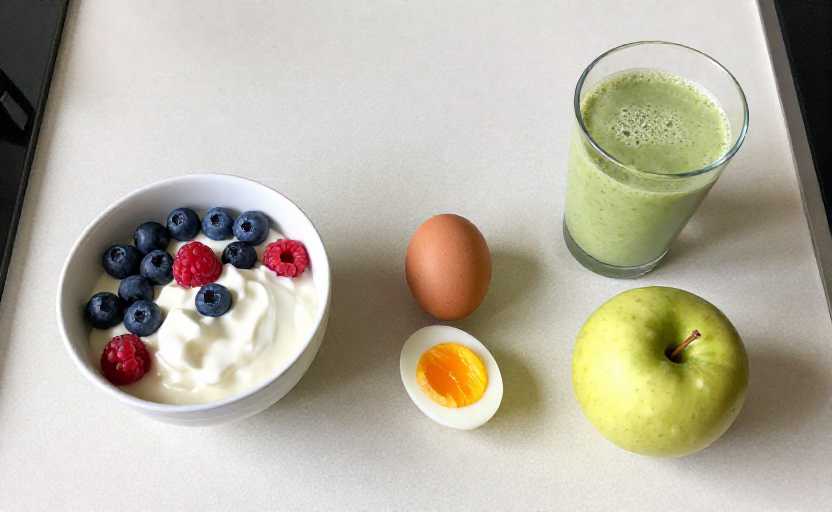
You may not believe it, but the most common misunderstanding I have received is "Is it true that hypothyroidism means you cannot eat cruciferous vegetables at all?" There are two factions of opinions on the Internet. One group says that broccoli, cabbage, and radishes are all "thyroid killers" and cannot be touched, while the other group says that they have no impact at all and can be made casually. In fact, what both groups say makes sense, but the applicable scenarios are different - the glucosinolates in cruciferous vegetables will be metabolized to generate thiocyanate, which will indeed compete with the thyroid gland for iodine absorption. However, for this effect to be true, you must either be chronically deficient in iodine, or eat more than 1 kilogram of raw cruciferous vegetables a day to achieve an effective dose. There used to be an aunt with Hashimoto's hypothyroidism. After being diagnosed with the disease, she threw away all the cabbage and broccoli at home. She didn't even dare to touch the baby cabbage for hot pot. She came back half a year ago for a re-examination and found that she was severely deficient in vitamin C. Her oral ulcers had not healed for two months. Later, she was told that if she cooked the food and ate half a plate, it would be no problem. After two months of adjustment, her nutrition improved, and her antibodies became much more stable. Of course, if you have recently been diagnosed with soaring antibodies and large fluctuations in thyroid function, you can just eat less raw salads and cold vegetables during that period. There is no need to live with cabbage for the rest of your life.
Let’s talk about the high-fat and high-salt problem that many people tend to ignore. This is not to say that patients with hypothyroidism will have serious problems if they drink fried chicken and milk tea. In fact, hypothyroidism itself will cause the basal metabolism to be 10% to 20% lower than that of people of the same age. Lipid metabolism, water and sodium metabolism are half a beat slower than ordinary people. A while ago, a 28-year-old girl was diagnosed with mild hypothyroidism. She felt that she just had a problem with her indicators and did not avoid anything. She ordered heavy-flavored takeout with iced milk tea every day. After a month of check-up, her blood lipids had almost doubled, and her legs were so swollen that her boots could not be zipped. Later, she changed her habit of eating takeout to once a week at most, and took medicine for half a month, and the swelling was almost gone. There’s no need to be too harsh here. It’s perfectly fine to have a hot pot or a cup of milk tea once in a while, but just don’t eat it every day. Otherwise, it won’t be metabolized and accumulated in the body. Being fat is a trivial matter. High blood lipids and worsening myxedema will hinder the recovery of nail function.
There is another pitfall that is particularly easy to step into. If you don’t eat food when taking medicine, you will eat half of the medicine in vain. There was an old patient who had been taking Euthyrox for three years, and his indicators kept going up and down. After asking for a long time, I found out that he was used to delivering medicine with hot soy milk every morning. The plant protein in the soy milk would adsorb levothyroxine sodium, and not much was absorbed at all. Later, he was asked to take medicine on an empty stomach in the morning, eat breakfast one hour apart, drink soy milk and milk every two hours, and take calcium tablets, iron supplements, and grapefruit every four hours. After two months, the indicators were very stable. This doesn’t mean that you can’t drink soy milk and take calcium tablets, but it just doesn’t coincide with the time you take medicine. It won’t affect your daily consumption of these things at all.
As for the most frequently asked question, "Should we supplement iodine or avoid iodine?", there is actually no standard answer: If it is endemic hypothyroidism caused by iodine deficiency, it would be beneficial to eat iodized salt normally and occasionally eat kelp and seaweed.; If it is hypothyroidism caused by Hashimoto's thyroiditis, don't eat high-iodine kelp and wakame every day, otherwise it will aggravate the rise of antibodies. ; If hypothyroidism is caused by surgical removal after iodine 131, as long as the thyroid function is controlled stably, there are basically no restrictions on diet.
The thing I usually say to patients the most is, don’t put yourself in the shackles of being a “patient” and don’t dare to eat anything. You can eat anything and don’t overdo it. If you are really not sure about what you can and cannot eat, just ask your attending doctor casually when you have your next thyroid checkup, which is much more reliable than reading all kinds of taboo posts on the Internet.
Disclaimer:
1. This article is sourced from the Internet. All content represents the author's personal views only and does not reflect the stance of this website. The author shall be solely responsible for the content.
2. Part of the content on this website is compiled from the Internet. This website shall not be liable for any civil disputes, administrative penalties, or other losses arising from improper reprinting or citation.
3. If there is any infringing content or inappropriate material, please contact us to remove it immediately. Contact us at: