
Diet taboos for one-year-old babies
There are only three types of dietary taboos that one-year-old babies really need to strictly abide by - the first is whole/hard foods that may cause a choking risk, the second is processed foods that are high in salt and sugar, and contain a lot of additives, and the third is foods that have not been tested for allergies and are clearly high in allergenic risks. Most of the other statements spread online such as "You can't eat cold food, you can't touch condiments, and you can't eat seafood" have no unified standards. They need to be flexibly adjusted based on the baby's gastrointestinal tolerance and family allergy history, and there is no need to blindly copy the so-called "unified taboo list."
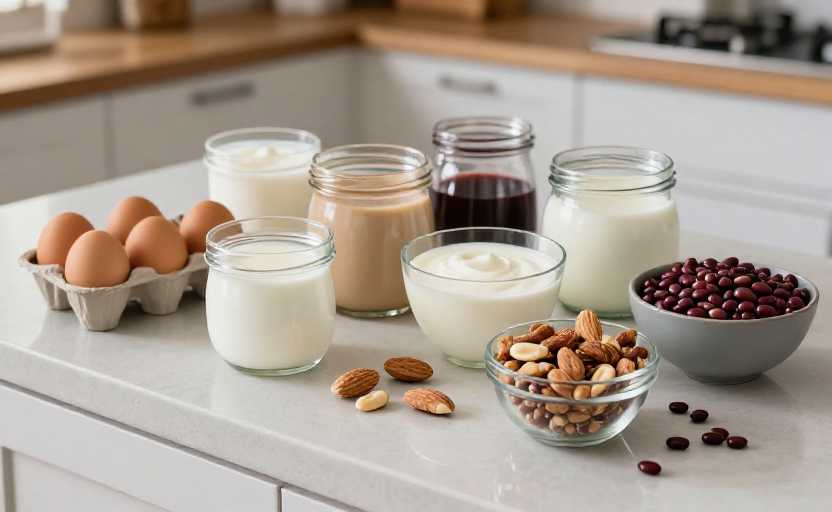
To be honest, my best friend just stepped into a throat-stuck hole last week. Her baby just turned 1 year old. She was anxious to give her baby nutrition, so she washed a whole grape and stuffed it into the baby. As a result, the baby swallowed it in one gulp and got stuck and his face turned purple. Fortunately, she was there at the time. Heimlich patted the grape for a long time before spitting it out. She was so scared that she had to wait for half an hour and her hands were shaking. The current recommendation of the American Academy of Pediatrics is that foods such as whole nuts, grapes, jelly, and hard candies are not recommended for children under 3 years old. However, many experienced parenting bloggers will share that as long as these foods are cut into 0.5cm square dices or ground into puree/crushed, you can try a small amount after 1 year old, such as grinding walnuts and adding them to porridge, peeling and seeding grapes and cutting them into small dices. As long as the parents watch the whole process, there is no need to completely avoid the food. When my baby was 1 year and 2 months old, I tried giving her diced blueberries, which were chopped into small pieces. The little boy chewed on them and ate them deliciously without any problems.
In addition to the fatal risk of throat stuck, the pitfall that many parents are prone to is actually the problem of seasoning. My mother-in-law used to always say, "The baby won't have the strength to walk without salt." She secretly added some light soy sauce to the baby's steamed eggs. As a result, the baby drank two large glasses of warm water after eating. Later, when I went to the child care provider to consult the doctor, I learned that a 1-year-old baby's kidney metabolism is only that of an adult. About 30% of the total, the daily sodium requirement is only 350 mg, which is almost the amount of 1g of table salt. The sodium in the milk you usually drink and the natural ingredients you eat such as pumpkin, spinach, and meat is already enough. Adding additional salt will only put a burden on the kidneys. Many "baby soy sauce" and "baby salt" on the market are advertised as being edible by the age of 1+, but many people in the nutrition field point out that many of these products are marketing gimmicks, and the sodium content of some baby soy sauce is even higher than that of ordinary brewed soy sauce. It is better to directly use natural and umami ingredients such as tomatoes, dried shiitake mushrooms, and dried shrimps to enhance the flavor of complementary foods, which is much healthier than adding seasonings.
Another issue that everyone debates the most is whether the so-called "fawu" can be eaten. Relatives in my hometown always say that "seafood is a hairy thing and should not be touched by babies who are too young." However, I checked the latest "Guidelines for Adding Complementary Foods to Infants and Young Children in China". Unless the parents have a clear history of food allergy, allergenic foods such as mango, seafood, and peanuts can be added one by one to test allergies after 8 months. Only add one item at a time. If there is no rash, vomiting, or diarrhea for 3 consecutive days, you can eat it normally. On the contrary, delaying the addition until after 1 year old will increase the probability of the baby being allergic. Of course, if there is a family history of allergies in your family, you can delay the addition time appropriately. There is no unified standard answer to this, just adjust it as needed.
There are several absolute taboos that are universally agreed upon by the entire pediatric community, and parents must keep them in mind. The first is honey. Whether it is eaten directly or in snacks and drinks with honey, babies under 1 year old must not touch it because honey may contain botulinum spores. The intestinal flora of a 1-year-old baby has not yet been fully established and cannot resist such pathogenic bacteria. In severe cases, it may cause botulism poisoning. This is not negotiable. There are also things like milk tea, carbonated drinks, pickled pickles, and candied fruits. Not to mention 1-year-old babies, even older children should try to touch them as little as possible. At our last family dinner, my cousin insisted on giving my baby a sip of Coke. I stopped him on the spot. The sugar content of that sip of Coke was almost as much as the baby's recommended daily intake. There are also phosphoric acid and artificial flavors, which are not good for the baby's teeth and calcium absorption.
In fact, when I first started raising a baby, I always checked against various taboo lists. I didn’t dare to touch this or that. Later, the child care doctor told me that I don’t need to be too tight when raising a baby. For example, in the summer, my child was so greedy that he banged the table when he saw us eating watermelon. I gave him two bites of room-temperature watermelon, and he didn't have diarrhea. As long as it wasn't iced fresh from the refrigerator, it would be fine if the child's stomach can adapt. Some people say that one-year-old should not eat egg whites. My baby tried egg whites when he was 10 months old and was not allergic. Now he often eats steamed whole eggs and is growing very strong.
To put it bluntly, the core of the so-called dietary taboos is to keep the two bottom lines of "safety and health". The rest depends on the situation of your own baby. You don't have to compare with others. What suits your baby is the best.
Disclaimer:
1. This article is sourced from the Internet. All content represents the author's personal views only and does not reflect the stance of this website. The author shall be solely responsible for the content.
2. Part of the content on this website is compiled from the Internet. This website shall not be liable for any civil disputes, administrative penalties, or other losses arising from improper reprinting or citation.
3. If there is any infringing content or inappropriate material, please contact us to remove it immediately. Contact us at:
