Diet taboos for allergic purpura
There is no universal lifelong avoidance list for allergic purpura; When you have an acute attack/digestive tract symptoms, first avoid foods that are clearly allergenic, hard and irritating foods, and common foods with high histamine that are easy to cause allergies. After stabilization, you can gradually try to add them. There is no need to blindly avoid conventional nutritious foods such as eggs, milk, meat, etc. for a long time.。
Don’t think it’s an exaggeration. Last week, a mother came to the outpatient clinic with the “10 foods you should never touch if you have purpura” that she searched online. She said that her 7-year-old son hadn’t touched meat for 3 months. His face was sallow and he couldn’t even run in physical education class. However, after checking the allergens, there were no problems. She was just scaring herself.
First of all, let’s talk about the taboos that are uncontroversial in the entire industry: as long as you clearly get rash or abdominal pain after eating a certain food, or if the allergen test shows a severe allergy to a certain type of food, then don’t touch it regardless of whether it is in the acute or stable phase. This is the bottom line. For example, if someone is allergic to wheat, then the steamed buns and noodles that others eat every day are a minefield for you, and there is no room for negotiation. After all, the vascular inflammatory reaction induced by allergies may affect the kidneys in severe cases, so you cannot take the risk.
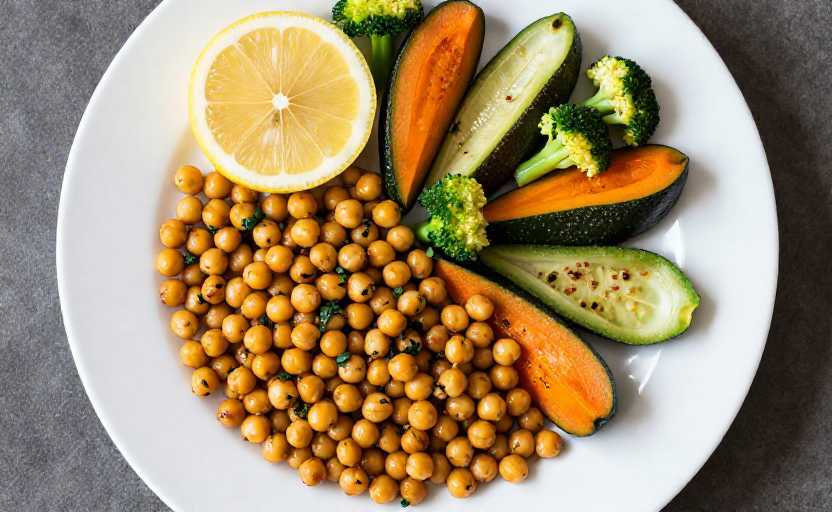
If you happen to catch up with the acute stage, especially those with abdominal purpura who have abdominal pain and bloody stools, you should be more cautious about dietary taboos. At this time, the gastrointestinal mucosa is full of scattered bleeding spots, which look like worn-out oral ulcers. If you dare to chew fried ribs, eat tooth-stuffed leek boxes, or show off kebabs with ice soda, it is equivalent to repeated friction on the wound, which may aggravate abdominal pain at mild cases, or induce massive gastrointestinal bleeding or even intussusception. At this stage, just eat warm, soft and easy-to-digest foods, such as millet porridge, steamed pumpkins, and soft boiled vegetables. They should be less oily and less salty. Don’t think about supplementing with old hen soup or turtle soup. Oily and greasy foods will only increase the burden on the gastrointestinal tract and make recovery slower.
As for the most controversial question on the Internet, "Should we avoid all allergens?", there are currently two mainstream views, and there is no absolute right or wrong: one is an experienced doctor who uses clinical experience, and believes that seafood, beef and mutton, mango, pineapple, kiwi and other foods with high allergenic risks should be avoided within 1-3 months of the acute phase. After all, most patients will not go out of their way to check for all types of allergens, and proper avoidance can reduce the probability of recurrence.; The other school is the evidence-based medicine school in recent years. They believe that as long as there is no clear evidence of allergy, there is no need to blindly avoid food, especially for children who are growing up. There are many cases of being half a head shorter than their peers and anemia after eating food for six months, but the gain outweighs the loss.
I have followed hundreds of patients myself, and I generally recommend a middle balance: try to avoid these high-risk foods in the first two weeks of the acute phase. After the rash has completely subsided and there are no symptoms of abdominal pain, hematuria, then add them back, only one kind at a time, and eat nothing for three days in a row. If you have a new rash and feel no discomfort, you can eat normally. Add eggs first, then drink milk, then eat pork, and then try more controversial foods such as beef and seafood. Take your time. There is no need to show off three kilograms of mangoes in one meal as soon as the rash disappears, and there is no need to dare not touch a bite of meat for half a year.
A pitfall that many people easily fall into is that they only look at the ingredients themselves and ignore the issue of food additives. There was a 12-year-old boy who had been stable for almost a month. He bought a sausage on the way home from school, and a new purpura broke out on his leg that night. Later, after investigation, it was found that it was caused by the preservatives and artificial coloring in the sausage, as well as the iced soda and popsicles that everyone loves to drink in the summer. Low temperature stimulates gastrointestinal mucosal vasoconstriction and can easily induce recurrence. This is rarely mentioned.
To be honest, many people are a little too anxious about the dietary taboos of purpura, as if they will relapse if they touch a bite of shrimp. In fact, among the patients I followed up, more than 70% were able to eat normally after stabilization. Only a small number of people who were clearly allergic to certain foods needed to avoid them for a long time. Rather than clinging to diet, it is more important to prevent colds, avoid sudden strenuous exercise, and conduct regular urinary checks - after all, the essence of this disease is immune-mediated small vessel vasculitis, and food is only one of the triggers. Don't blame everything on the food. There is no need to eat anything for fear of relapse and destroy the body, and don’t eat and drink indiscriminately. What suits you is the best.
Disclaimer:
1. This article is sourced from the Internet. All content represents the author's personal views only and does not reflect the stance of this website. The author shall be solely responsible for the content.
2. Part of the content on this website is compiled from the Internet. This website shall not be liable for any civil disputes, administrative penalties, or other losses arising from improper reprinting or citation.
3. If there is any infringing content or inappropriate material, please contact us to remove it immediately. Contact us at: