Liver abscess dietary taboos
Fatty foods high in fat and oil, sweets with too much refined sugar content, alcohol and highly irritating foods, raw foods that are not thoroughly cooked, excessive protein beyond one’s own tolerance, and other diets do not require excessive strict dietary restrictions as long as there is no obvious discomfort.
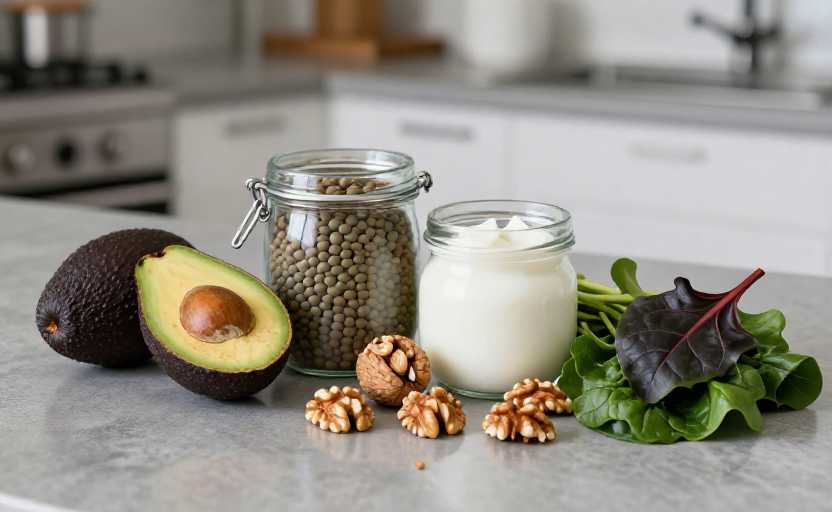
I have been working in the gastroenterology clinic for almost ten years, and I have encountered at least 20 or 30 patients whose recovery was delayed because they could not control their mouths. The one that impressed me the most was an uncle in his 50s who was hospitalized for bacterial liver abscess for 10 days last year. His body temperature had just been normal for 3 days. Many people feel that they need to take supplements when they are sick, so they think of making some fatty soup or eating some braised pork for the patient. In fact, the liver is in the inflammatory edema stage at this time, and its ability to metabolize fat is only less than 1/3 of its usual capacity. Not only will large amounts of fat be indigestible and prone to abdominal distension and diarrhea, but it will also force the liver to work overload, which will naturally slow down the absorption of abscesses. Of course, this does not mean that you should eat boiled vegetables entirely. During the recovery period, use a few drops of olive oil to fry a small green vegetable, or add a few drops of sesame oil when cooking noodles. The burden of this little oil is completely bearable, and there is no need to overdo it.
Another common misunderstanding is to supplement sugar. Many family members feel that the patient has no appetite for food, so they make honey water, stew pear with rock sugar every day, or even buy functional drinks with high sugar content to drink, thinking that they can replenish energy. In fact, the metabolism of refined sugar also requires the liver to participate. Eating too much will increase blood sugar and provide nutrients for the bacteria in the abscess, which is not conducive to recovery. If you really want to eat something sweet, just take two bites of apple or kiwi fruit at room temperature, which has more vitamins.
There have been different clinical opinions on whether protein can be eaten. The old school of doctors would require strict prohibition of protein in the acute phase, fearing that the ammonia produced by metabolism would not be excreted and induce hepatic encephalopathy. I followed the same instructions to patients when I first started working. It was not until I followed up with my colleagues in the nutrition department in the past few years that I discovered that as long as the patient does not intend to Confusion and lethargy are precursors of hepatic encephalopathy, and the blood ammonia test is also within the normal range. You can eat a small amount of steamed eggs, stewed lean tenderloin, and sugar-free low-fat milk. These high-quality proteins can help repair damaged liver tissue, which is faster than drinking white porridge every day. A little girl in her 20s who I followed up last month strictly followed the nutrition department's diet, including one steamed egg and half a carton of milk every day, and her recovery speed was nearly a week faster than that of a patient of the same age who only drank white porridge.
Alcohol is an absolute taboo. Whether it is liquor, beer or fruit wine, as long as it contains alcohol, do not touch it. The liver is already inflamed. Alcohol is equivalent to pouring gasoline on a burning house. It may also induce liver failure. Raw food, especially sashimi, half-cooked steak, and unwashed lettuce should also be avoided as much as possible. If you are a patient with amebic liver abscess, you should not even drink raw water to avoid re-ingestion of pathogens that may lead to recurrence. Last time, a young man was greedy and ordered an iced raw coconut latte when he was in the hospital. After drinking half a cup, he had diarrhea three times that day. His body temperature, which had already dropped, rose to 37.8°C, and he was forced to stay in the hospital for three more days.
In fact, I rarely give patients a dense list of taboos. Everyone's body constitution and tolerance are different. Some people can eat spicy food on a daily basis, and it will be fine if they eat less than a few bites of mildly spicy stir-fry during the recovery period. Some people have weak gastrointestinal problems and will experience bloating even if they eat warm fruits, so don't eat them. The simplest criterion is: if you feel no discomfort after eating, you can eat it. If you feel bloating, nausea, or a dull pain in your liver area after eating, just don't touch it next time. Also, don’t randomly buy those folk remedies and liver-protecting teas that claim to “protect the liver.” Many health products with unknown ingredients will increase the burden on the liver, causing more harm than good.
Disclaimer:
1. This article is sourced from the Internet. All content represents the author's personal views only and does not reflect the stance of this website. The author shall be solely responsible for the content.
2. Part of the content on this website is compiled from the Internet. This website shall not be liable for any civil disputes, administrative penalties, or other losses arising from improper reprinting or citation.
3. If there is any infringing content or inappropriate material, please contact us to remove it immediately. Contact us at: