High blood fat dietary taboos and recipes
The core taboo of a high-lipid diet is to strictly control excessive intake of added sugars, trans fats, and refined carbohydrates. It is not a complete ban on meat and oil. As long as you follow the diet structure of "high dietary fiber + high-quality protein + unsaturated fatty acids + low-glycemic carbohydrates" for about 3 months, most people will see significant improvements in their blood lipid indicators. There is no need to force yourself to eat boiled cabbage every day. Of course, if your blood lipids exceed the standard by more than 2 times, or you already have a history of cardiovascular disease, you still need to take medicine as directed by your doctor. Diet is only a means of auxiliary adjustment, so don't insist on not taking medicine.
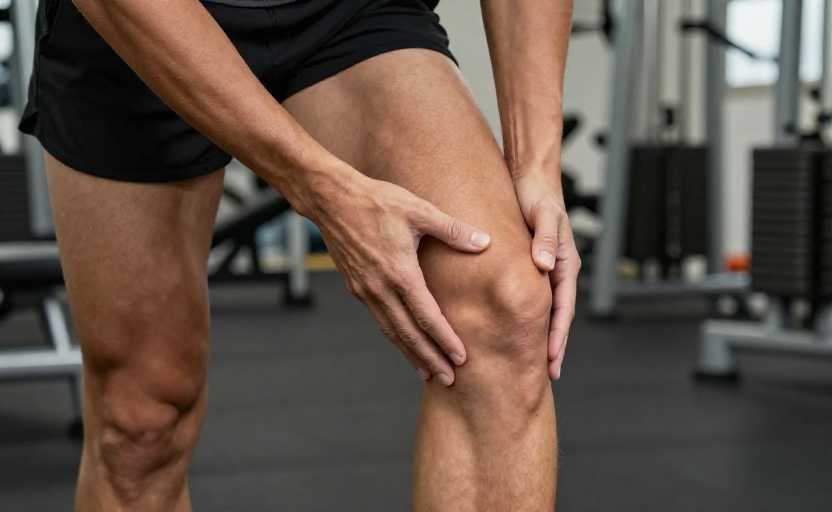
I came into contact with a 52-year-old patient last year. His triglycerides were found to be twice as high as the standard. He went home and gave up all meat. He ate white rice with boiled vegetables. However, after a three-month check-up, his triglycerides only dropped by 0.2. He was still dizzy and his blood albumin was low. He just fell into the trap of "high blood fat = vegan".
Do you think fat is the culprit of elevated blood lipids? In fact, the trans fats hidden in bread, milk tea, and puffed foods are the bad guys, such as shortening, non-dairy creamer, margarine, and cocoa butter substitute in the ingredient list. The metabolic cycle is several times longer than that of ordinary fats. It takes a long time to be excreted after eating it. The impact on low-density lipoprotein is much greater than eating two pieces of fat. There is also added sugar. Don’t think that only sweet ones contain sugar. The bottled iced tea, lactic acid bacteria drinks you usually drink, and even some unsweetened salad dressings and plums have a lot of added sugar. Adult men should not consume more than 25 grams of added sugar per day. A bottle of iced tea contains more than 30 grams. Drinking one bottle is excessive. The excess sugar will be directly converted into triglycerides in the liver, which will increase blood lipids faster than anything else.
There are actually still disagreements in academic circles about whether saturated fat should be completely banned. Traditional cardiovascular guidelines recommend eating as little red meat, butter and other saturated fat-rich foods as possible, with the best intake being controlled within 7% of total calories.; However, in recent years, many cohort studies have shown that saturated fats from natural sources (such as those in pork, butter, and dairy products) have far less negative effects on blood lipids than added sugars and trans fats. As long as the daily intake does not exceed 10% of the total calories, there is no need to completely avoid the food. It is okay to eat 1 or 2 pieces when you want to eat braised pork, and there is no need to put too much psychological burden on it.
There’s another pitfall that many people don’t pay attention to: eating too much refined carbohydrates can also raise blood lipids. I once had a 30-year-old male patient who didn’t smoke, drink or drink, didn’t like sweets, and rarely ate fatty meats. Even though he had to eat two large bowls of white rice every meal, his triglycerides were still above the standard. This was because refined carbohydrates were digested too quickly, and the excess glucose was converted into fat and stored in the body. Over time, blood lipids naturally increased.
The recipes given below are all what I usually prescribe to my patients. They are very practical. You don’t need to count calories, you can use your hands to get energy, and you don’t need to fix the menu. You won’t get tired of eating them from time to time:
You don’t have to eat dry whole-wheat bread for breakfast. If you want to eat Chinese food, just cook a bowl of mixed bean porridge (red beans, oats, and quinoa are cooked together, which raises sugar much slower than white porridge). Add a hard-boiled egg, a small handful of cold spinach, and add 5 almonds. It can be done in 10 minutes.; If you want to eat Western style, it is easier. Spread 10 grams of no-added peanut butter on a piece of whole wheat toast, add an egg fried in olive oil, half an avocado, and a cup of sugar-free soy milk. You will feel full enough that you will not feel hungry at noon.
Just remember three "ones" for lunch: a palm-sized piece of high-quality protein (lean beef, chicken breast, steamed fish, tofu are all fine, you won't get tired of eating them if you want), a fist-sized piece of multi-grain rice (just cook rice mixed with brown rice or quinoa, if you don't like multi-grain rice, just reduce the white rice by three points) one amount), two fistfuls of green leafy vegetables (any kind of vegetables will do, try to use more dark green ones), choose olive oil or tea seed oil for cooking. I generally recommend that you use an oil spray bottle, which can save half of the oil than pouring it directly. The total amount of oil per day should be controlled within 2 spoons.
Dinner can be a little lighter. Use whole grains such as corn, sweet potatoes, and yams instead of staple food, and pair it with low-fat dishes, such as braised shrimps with winter melon, stir-fried vegetables with mushrooms, and stewed tofu with tomatoes. Just eat until you are about 70% full. Do not eat late-night snacks, especially those heavy in oil and salt such as barbecue and crayfish. Your blood lipids will definitely increase the next day after eating.
Don't touch the biscuits and cakes in the drawer when you're hungry. Just grab a small tomato, cucumber, or less than 10 plain nuts. Although nuts are good, they also have high fat content, so eating too much won't do the trick.
Oh, and the most frequently asked question is whether you can drink alcohol? There is no absolute standard answer to this. The traditional view is to give up alcohol completely, because alcohol will damage the metabolic function of the liver, significantly increase triglycerides, and increase the risk of pancreatitis. ; However, studies in recent years have shown that people who do not have abnormal liver function, drink less than 10 grams of red wine (about half a cup) a day, and have little impact on blood lipids. However, judging from the cases I have been exposed to, it is best not to drink it if you can. If you really want to drink it, drink less, and don’t drink it for a long time.
To be honest, adjusting the diet for high blood fat really does not make you become an ascetic, nor does it need to be 100% strict. Occasionally, it is okay to have a hot pot or a piece of cake if you are craving for it. As long as you comply with this diet structure most of the time, it is much easier to stick to it than if you insist on eating boiled vegetables every day. After all, a diet that can be maintained for a long time is a useful diet, right?
Disclaimer:
1. This article is sourced from the Internet. All content represents the author's personal views only and does not reflect the stance of this website. The author shall be solely responsible for the content.
2. Part of the content on this website is compiled from the Internet. This website shall not be liable for any civil disputes, administrative penalties, or other losses arising from improper reprinting or citation.
3. If there is any infringing content or inappropriate material, please contact us to remove it immediately. Contact us at: