Diet taboos for cerebral hemorrhage
High-sodium processed foods that must be avoided, high-fat and high-sugar refined foods that need to be strictly controlled, and stimulating/blood-activating foods that need to be adjusted according to one's own tolerance. Don't rely on folk remedies to blindly supplement or "open blood vessels." This is the general consensus among clinical neurosurgeons and nutritionists.
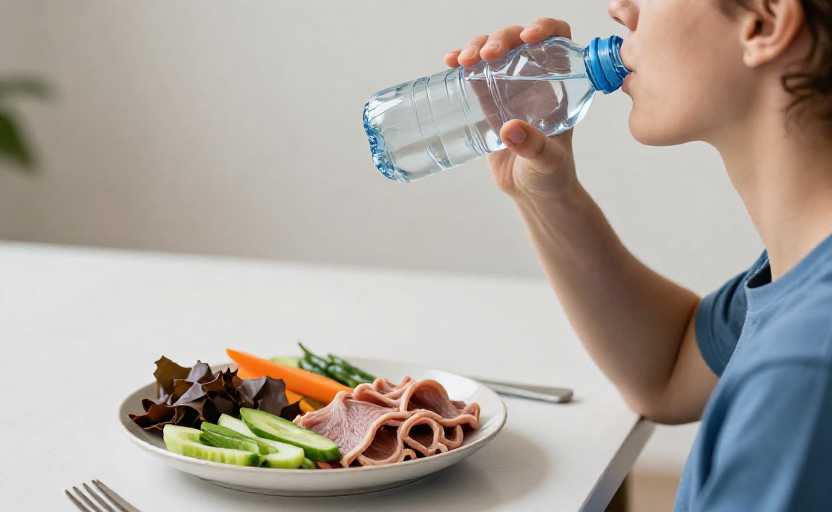
When it comes to high-sodium foods, don’t think that only the salt in stir-fry dishes counts. I met 62-year-old Uncle Zhang during a follow-up visit before. When he was discharged from the hospital, he was told not to touch pickled products. He felt that he was recovering well, so he secretly ate pickled radish with rice porridge for half a month without telling his family. During the reexamination, his blood pressure soared to 180/100, and he almost had to be hospitalized again. Of course, not everyone needs to limit sodium to death. I have encountered elderly patients who have been bedridden for a long time. Their family members strictly controlled salt and did not even dare to add soy sauce. After half a month, the blood sodium was as low as 120 and the person was so drowsy that he could not stand up. Instead, intravenous sodium supplementation was required. Therefore, the prerequisite for sodium restriction is to regularly monitor blood sodium levels. It is enough to add less salt to your daily diet and avoid "hidden salt disaster areas" such as pickles, pickles, and processed meats. There is no need to overcorrect.
The most common mistake many family members make is actually thinking that patients need to take supplements when they are recovering from a serious illness, so they end up loading up on big fish and meat. Instead, they fall into the trap of high fat and high sugar. There was a patient in his 40s who had cerebral hemorrhage. His blood lipids were well controlled when he was discharged from the hospital. His wife made him chicken soup and pork elbows with soy sauce every day, saying that he needed to replenish his vitality. However, in just one month, his blood lipids soared to more than 7mmol/L, and the carotid artery plaque grew again, almost requiring him to be hospitalized again. There is also a point that has been debated in the nutrition community for a long time: many people now say that they should eat healthy oils such as olive oil and flaxseed oil. Can they just add more of them? In fact, no matter what kind of oil, the calories are the same. Especially for patients with diabetes and fatty liver, the daily intake of even cold-pressed olive oil should not exceed 2 tablespoons, otherwise excess calories will increase the burden on blood vessels.
Another question that people ask a lot is whether irritating things such as tobacco, alcohol, coffee, and strong tea are completely off limits? Let’s talk about alcohol first. There has been a saying before that “a small amount of red wine softens blood vessels.” However, the current mainstream view is that no matter what kind of alcohol it is, alcohol will stimulate the dilation of blood vessels. Even a sip of it may induce blood pressure fluctuations in patients who have just been discharged from the hospital within six months. If you can, just quit it all. But there is no unified conclusion on coffee and strong tea. If you drank two cups of American coffee every day for the past 20 or 30 years, and your blood pressure has been stable below 130/80 after discharge, you don’t need to quit completely. Just dilute it a little. ; But if you have never touched these things before, and you drink coffee blindly after you are discharged from the hospital and hear others say it can refresh you, it can easily cause your heartbeat to accelerate, your blood pressure to soar, and even cause an accident.
By the way, you must be wary of all kinds of folk remedies to "open blood vessels", such as soaking peanuts in vinegar, eating raw Panax notoginseng, and drinking Salvia miltiorrhiza tea. During my follow-up last year, I met a patient who privately bought Sanwu Panax notoginseng powder and brewed a cup of it every day. Within two weeks of drinking it, he developed coagulation abnormalities, not to mention bleeding gums. A follow-up CT scan also revealed tiny new bleeding lesions, which was not worth the loss. If you really want to take any supplements or traditional Chinese medicine, take them to your doctor first to make sure they won’t affect blood coagulation or raise blood pressure before taking them. Don’t make up your own mind.
In fact, when I usually educate patients, I rarely give them an entire list of taboos on A4 paper. Memorizing so many makes them prone to anxiety. So I teach you the simplest way to judge: when buying processed food, turn to the back and read the nutritional label. If the NRV% per 100 grams of sodium exceeds 30%, put it directly back on the shelf. Don’t go out to restaurants if you can eat at home. Measure your fasting blood pressure in the morning 2-3 times a week. Pay attention to the indicators of blood sodium, blood lipids, and blood sugar during the monthly review. If the indicators are stable, it is okay to eat a small piece of braised pork or drink half a cup of light tea if you are craving for it. You don’t have to make yourself afraid to eat anything. A good mood will be more conducive to recovery.
Disclaimer:
1. This article is sourced from the Internet. All content represents the author's personal views only and does not reflect the stance of this website. The author shall be solely responsible for the content.
2. Part of the content on this website is compiled from the Internet. This website shall not be liable for any civil disputes, administrative penalties, or other losses arising from improper reprinting or citation.
3. If there is any infringing content or inappropriate material, please contact us to remove it immediately. Contact us at: