Daily care knowledge for the elderly
There is no unified standard answer to the daily care of the elderly. The core principle is to "center on the individual tolerance of the elderly, take into account the three dimensions of physiological care, chronic disease management, and emotional support, and avoid the two extremes of excessive care and lack of care." What is most suitable for the elderly in your family is the most correct.
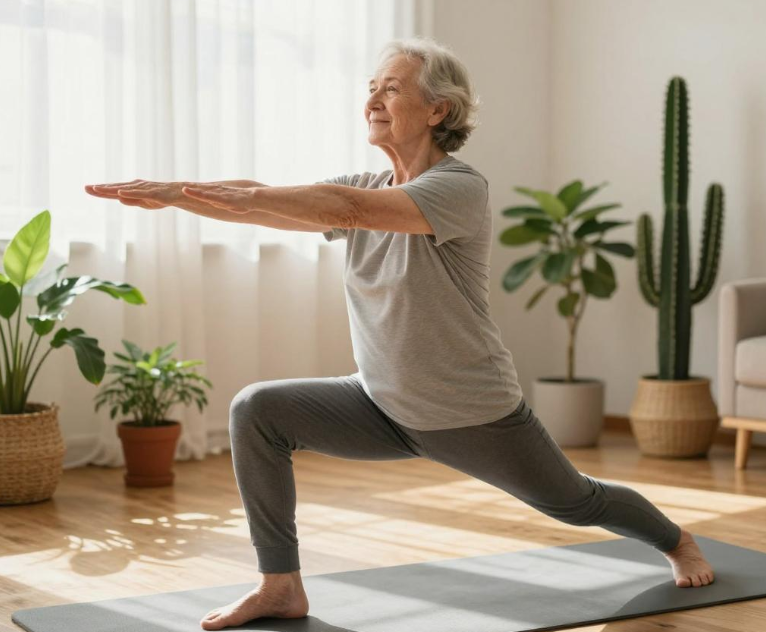
I met Aunt Zhang from the community a while ago and said that she gave her father calcium supplements for half a year and forced him to walk 8,000 steps every day. As a result, the old man suffered from constipation for less than half a month. Last week, his knees hurt so much that he couldn't walk. He went to the hospital to check for joint effusion and kidney stones. It's unfair to say it. She followed the "standard answers for elderly care" on the Internet, so why did something go wrong? In fact, we who work in community elderly care often say "three points of care, seven points of care, etc." Don't always apply the same standards to your own elderly people. The saying "one is like honey and another is like arsenic" is perfectly appropriate in nursing care.
Take the most basic meal as an example. Some people always say that the elderly should eat less oil, less salt and completely avoid sweets. This is true for ordinary elderly people. However, if you encounter elderly people with diabetes or bad teeth, you must make flexible adjustments. Nowadays, the nutrition community has different tendencies regarding the dietary requirements of elderly people with diabetes: One group believes that the glycemic index should be strictly controlled, and only one or two bites of fruit should be eaten; the other group believes that as long as there is no serious blood sugar instability, eating a small amount of low-GI fruits such as strawberries and kiwis, or even an occasional bite of the pastry that the elderly has been craving for a long time can actually make him feel better, which is better than secretly eating too much and causing high blood sugar. I met 82-year-old Grandpa Li before. In order to let him "eat healthily", his family cooked salt-free vegetable porridge every day. As a result, the old man secretly hid half a can of soybean curd and ate it on the balcony. In the end, his salt intake exceeded the standard and his blood pressure spiked. Later, his family allowed him to eat soybean curd with porridge twice a week, a small spoonful each time, and his blood sugar and blood pressure stabilized.
After talking about food, let’s talk about cleanliness. Many people think that the elderly must bathe every day to maintain good hygiene. In fact, the elderly’s sebaceous glands atrophy. Frequent bathing will destroy the oil film on the surface of the skin, making it prone to dryness, itching and cracking. Especially in the heated houses in the north in winter, I have seen several elderly people unable to sleep all night because of the itching from bathing every day. They finally recovered after applying body lotion for half a month. Of course, it doesn’t mean that you have to be sloppy. If the elderly person loves to be clean, and the skin is not dry after applying body lotion, it is perfectly fine to wash it every day. The key point is to see the elderly person’s own feelings, and don’t force yourself. There are also those who buy ultra-soft mattresses for the elderly. Now there are different opinions in the orthopedic field: one group says that elderly people with poor lumbar spine should sleep on hard beds, while the other group says that weak elderly people have thin muscles. A bed that is too hard will cause pressure ulcers easily. A medium-hard mattress that can fit the curvature of the lumbar spine is the most suitable. If an elderly person has a lumbar disc herniation, it is best to take him to a physical store to try lying on it for half an hour before buying. Don't just listen to the shopping guide.
Compared with superficial care such as eating and drinking, there are actually more pitfalls in chronic disease management. If you are not careful, good intentions can lead to bad things. Take antihypertensive drugs as an example. Many family members rush to increase the dosage when they see an elderly person’s blood pressure exceeds 130. Currently, there are two clinical standards for antihypertensive goals for the elderly: elderly people under 65 years old and in good physical condition are recommended to lower their blood pressure to below 130/80mmHg. For elderly people over 80 years old and with debilitating symptoms, it is enough to lower their blood pressure to 140/90mmHg. If the blood pressure is lowered too low, it may lead to insufficient blood supply to the brain, causing dizziness and falling when standing. Don’t underestimate falls. Among the cases of fractures in the elderly that I have encountered in the past two years, more than half of them fell on the road. They wore a pair of old slippers with crooked heels at home, stepped on a puddle of water on the ground, or even just stood up a little too fast and fainted. If you really want to prevent falls, you don’t need to decorate the whole house like a hospital ward. First, replace the old slippers that the elderly have worn for several years with non-slip ones. Install a small handrail at the door and in the bathroom that can be reached without bending. It is more effective than anything else.
Many people only focus on the physical body when caring for the elderly. In fact, small problems hidden in emotions have a greater impact. Grandpa Wang, who I worked for before, was a middle school teacher before he retired. His children were filial and he was not allowed to do any work. He sat at home and watched TV every day. As a result, he was diagnosed with mild depression within half a year and even stopped going to his favorite chess club. Later, we discussed with the family and asked the old man to help pick up and drop off his grandson who is in elementary school every day, and cook his best braised pork for the family on weekends. After only two months, the old man became more energetic and took the initiative to sign up for a calligraphy class in the community. Of course, some family members think that the old man has been tired all his life and should do nothing to enjoy happiness when he gets old. Both views are actually correct. The core depends on the old man's own wishes: if he loves to be quiet and feels that working is a burden, then rest according to his wishes; if he If you are too busy and always want to find something to do, let him do light tasks such as folding clothes and choosing vegetables. This can actually delay the decline of cognitive function. The essence of occupational therapy commonly used in dementia intervention is to let the elderly do small things within their ability to find a sense of presence, which is better than sitting at home every day.
I have been doing community nursing for the elderly for almost six years. I have met a tough old man in his 90s who can still ride a bicycle to buy groceries by himself, and a bedridden old man in his 70s who needs someone to feed him. There really is no one care method that can suit everyone. You don’t have to go through the checklist on the Internet all the time. If you have nothing to do, sit down and chat with the old man. Ask him what he wants to eat today and whether he wants to go for a walk. This is more effective than standard answers. After all, the essence of nursing is never to "take care of the elderly to be perfect", but to make him feel comfortable and live the way he likes.
Disclaimer:
1. This article is sourced from the Internet. All content represents the author's personal views only and does not reflect the stance of this website. The author shall be solely responsible for the content.
2. Part of the content on this website is compiled from the Internet. This website shall not be liable for any civil disputes, administrative penalties, or other losses arising from improper reprinting or citation.
3. If there is any infringing content or inappropriate material, please contact us to remove it immediately. Contact us at: