Breast Healthy Diet Recommendations
Regarding the diet for breast health, the core conclusion is actually not that many fancy gimmicks - it is based on a natural and balanced dietary structure, with less exposure to alcohol, added sugar, excessive saturated fat and trans fat, and an appropriate amount of whole grains, natural soy products, Just consume dark-colored fruits and vegetables. There is no magical food that can "prevent nodules and cancer" after eating it, nor is there any "absolute taboo" that cannot be touched at all. There is no need to deliberately buy expensive health care products to protect breasts, let alone the rumors about papaya breast enlargement and kudzu root to improve breast function.
I just met a 22-year-old girl in the clinic last week. She had just been working for half a year. She saved up two thousand and bought a bunch of papaya and kudzu powder from Internet celebrities. It was said that it can prevent breast hyperplasia and secondary growth. However, after eating it for two months, she gained three kilograms in weight, but her breasts did not get bigger. Instead, her face was full of smoke because she had consumed too much added sugar, and she closed her mouth. She asked me if I had not eaten "enough dosage." I calculated it for her at the time and found that the kudzu root powder she bought had more than 30 grams of added sugar per 100 grams. Drinking two bags a day was equivalent to drinking two extra bottles of Coke. It would be strange not to gain weight. In fact, the papain in papaya will be decomposed and inactivated by gastric acid when it enters the intestines and stomach, and it is impossible to affect breast tissue. If the purified kudzu isoflavones are taken in excess, it will interfere with the estrogen level in the body. For people with breast nodules, it may aggravate the symptoms, which is completely worth the loss.
Many people still think that soybeans contain estrogen-like substances, and eating too much of them can induce breast nodules and even breast cancer. In fact, this controversy has existed for almost ten years, and different research conclusions are indeed different. Judging from the epidemiological data of a large sample, East Asian people who regularly consume natural soy products for a long time (equivalent to 200ml of sugar-free soy milk or 100g of northern tofu per day) can reduce the risk of breast cancer by about 10%, especially those who have maintained this eating habit in adolescence, the benefits will be more obvious. However, there are also small-scale basic studies that suggest that if patients with breast cancer who have been diagnosed with estrogen receptor-positive breast cancer take additional purified soy isoflavone supplements, ingesting large amounts in a short period of time may indeed be at risk of irritating the lesions. So the conclusion is actually very simple: it is perfectly fine to eat tofu, drink soy milk, and eat some boiled edamame on a daily basis. Don’t just buy soy isoflavone supplements that cost hundreds of dollars a bottle.
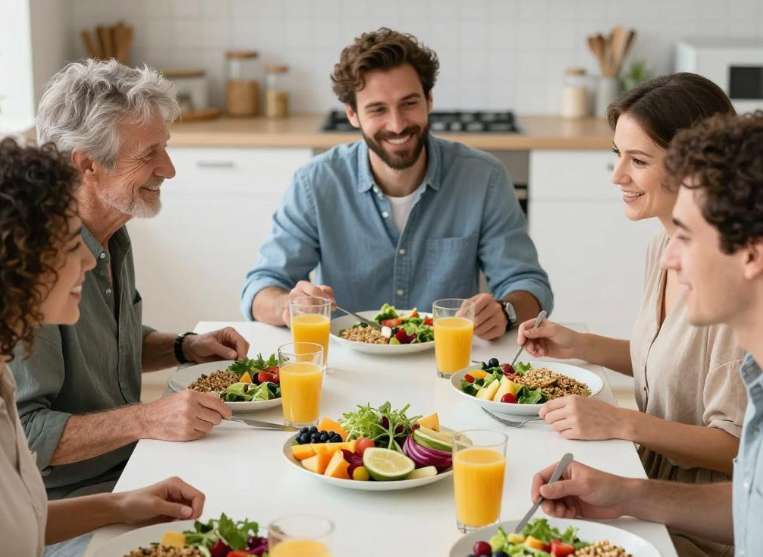
I have a 34-year-old administrative friend who was diagnosed with type 3 breast nodules during a physical examination last year. He used to be a typical milk tea lover. He ordered a cup of full-sugar pearl milk tea every afternoon and also loved to stock up on shortbread bread for breakfast. Later, she didn’t deliberately eat any “breast-protecting meal”. She just changed the shortbread in the morning to whole-wheat toast with fried eggs, and the milk tea in the afternoon was replaced by freshly squeezed orange juice or white fungus lily soup without sugar. Occasionally, she would drink half a cup of milk tea with less sugar when she was greedy. When she was reviewed this year, not only did the nodules not get bigger, but her previous problem of being so bloated before menstruation that she couldn’t touch it had also been alleviated by seven to eight points. In fact, many times there is no need to deliberately pursue a "perfect diet". As long as you replace those obviously unhealthy foods, you can already get most of the health benefits.
If you really want to avoid touching as much as possible, the first thing to bear the brunt is alcohol. This is a carcinogen clearly listed by the WHO. Even if it is red wine that everyone calls "beautiful", drinking a small glass of it every day will increase the risk of breast cancer by about 5%. There is really no need to drink it for the so-called health preservation. As for whether you can drink coffee, which many people ask, this also varies from person to person. Some studies have shown that some people with sensitive constitutions, drinking more than 3 cups of coffee a day, may aggravate premenstrual breast swelling and pain. However, there are also cohort studies showing that drinking 1-2 cups of unsweetened black coffee a day can actually reduce the risk of breast cancer. I am a habit of drinking one cup of American coffee a day, and my breasts have always been healthy during physical examinations. If you feel breast discomfort after drinking coffee, don't drink it. If there is no discomfort, there is no need to stop it.
In fact, after all, breast health is really not something that can be achieved by eating certain foods. Stay up less late at night, don't hold in your heart to sulk about the smallest things, and do a breast ultrasound or mammography regularly every year. It is much more effective than spending thousands on those Internet celebrity breast protection products. If you really feel breast swelling and pain or feel a lump, go to a regular hospital to see the breast department first. Don't waste time by searching and eating on your own.
Disclaimer:
1. This article is sourced from the Internet. All content represents the author's personal views only and does not reflect the stance of this website. The author shall be solely responsible for the content.
2. Part of the content on this website is compiled from the Internet. This website shall not be liable for any civil disputes, administrative penalties, or other losses arising from improper reprinting or citation.
3. If there is any infringing content or inappropriate material, please contact us to remove it immediately. Contact us at: