
Elderly people can prevent diseases by walking for 20 minutes a day
According to the British "Daily Mail" report, a new study found that walking for 20 minutes each time, more than three times a week, can significantly reduce the risk of Alzheimer's disease (Alzheimer's disease).
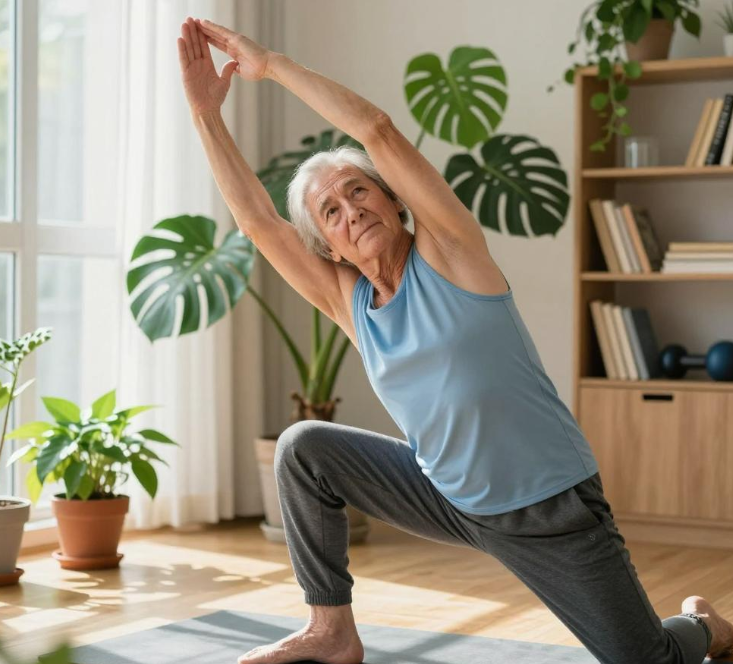
Scientists from the University of Cambridge conducted a comprehensive analysis of 30 studies and found that among people over 65 years old, the incidence rate of dementia (divided into Alzheimer's disease, vascular dementia, mixed dementia and other types of dementia) reaches 1/3, and Alzheimer's disease is the most common. The cause of the disease in 1/3 of patients is due to lifestyle, such as lack of exercise, obesity, smoking, high blood pressure and low education level, among which lack of exercise is the most important cause. According to statistics, 22% of Alzheimer's cases are caused by lack of exercise in elderlys, which is twice as high as other causative factors.
Researchers believe that regular physical exercise can ensure a stable supply of oxygen-rich blood to the brain, which is thought to help prevent the formation of protein plaques in the brain, which are a direct factor in the development of Alzheimer's disease.
Professor Carroll from the School of Public Health at the University of Cambridge said that the most important message conveyed by this study is that a healthy lifestyle can help reduce the risk of Alzheimer's disease. Walking several times a week can effectively prevent the disease. Even walking every day can have the same effect.
How to take a walk correctly for the elderly
1. Don’t be greedy for taking a walk at night
"If you walk a hundred steps after a meal, you can live ninety-nine years." This saying is very popular. Therefore, many elderly people often choose to take a walk after dinner and before going to bed. Some of them walked briskly, some took a walk, and often walked for more than an hour. However, from the perspective of traditional Chinese medicine, the elderly should not do their main exercise time in the evening, and the duration should be controlled within half an hour to avoid damaging Qi. Traditional Chinese medicine believes that at night, people's "vital energy and spirit" are introverted and Yang Qi is stored. The elderly already have insufficient Qi and blood. In addition, "prolonged walking damages the liver". If you walk too much or even sweat profusely, it will not only damage the muscles, but also easily damage the liver Qi. Therefore, it is appropriate for the elderly to take a walk at night for 10 to 30 minutes without feeling tired.
2. It is not advisable to take a walk before going to bed
It is not advisable to go out for a walk two hours before going to bed to avoid affecting the quality of sleep. Because the body temperature rises when walking, the human brain will get a signal to lower the body temperature. Lowering the body temperature relaxes the person, thus promoting sleep. But if you take a walk too close to bedtime, it won't be enough to cool down your body, but will affect your sleep quality. Therefore, it is best to advance your evening walk to 3 hours before going to bed. For example, if you plan to go to bed at 22:00, you can go for a walk before 19:00. This will not only help promote blood circulation throughout the body, but also relieve your mood. If it’s windy outside or the temperature is low, you can stay indoors instead.
3. Walk slowly
In addition, walking at night should be gentle. Many elderly people like to pat their bodies or massage their abdomen while walking. This method is more suitable for elderly people who exercise in the morning. If you take a walk after a meal, the organs being slapped will be stimulated, making the human body too excited, which is not conducive to sleep at night. Therefore, when taking a walk at night, you can stretch your arms and punch regularly to fully exercise your tired shoulders, neck, elbows and other parts, but the range of movements should not be too large.
Disclaimer:
1. This article is sourced from the Internet. All content represents the author's personal views only and does not reflect the stance of this website. The author shall be solely responsible for the content.
2. Part of the content on this website is compiled from the Internet. This website shall not be liable for any civil disputes, administrative penalties, or other losses arising from improper reprinting or citation.
3. If there is any infringing content or inappropriate material, please contact us to remove it immediately. Contact us at:
