Diet taboos during Kawasaki disease recovery period
It is clear that there are highly allergenic foods that can cause allergies in children, foods that are high in salt, oil, and sugar that increase the burden on blood vessel metabolism, and hard/irritating foods that may irritate the gastric mucosa. As for the popular saying that "fat foods" should be avoided completely, there is currently no evidence-based medical evidence to support them. Blind taboos can easily lead to insufficient nutritional intake in children and slow down their recovery.
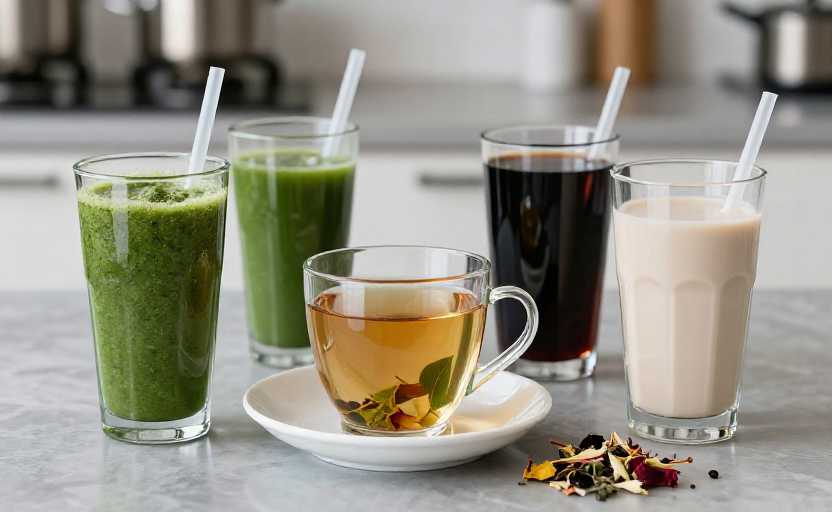
I am familiar with this matter. Two years ago, my cousin's baby got Kawasaki disease, and I accompanied him for more than half a year of follow-up visits. The doctors who have taken over the three fields of pediatric immunology, cardiovascular department, and nutrition department have also seen examples of mistakes in the patient group, so I dare to say that these contents are not general science copied from the Internet.
Last time, there was a mother in the patient group. Her baby had just been discharged from the hospital for a week. Thinking that her baby had been suffering from fever for several days in the hospital, she bought her favorite mango mille-feuille. However, two hours after eating it, she broke out in hives all over her body and her face was swollen. She went to the emergency room in the middle of the night and was scared to death. She thought it was a recurrence of Kawasaki disease, but all the indicators were found to be normal. It was just a false alarm due to mango allergy. Interestingly, doctors in different departments have different requirements for allergenic foods: Doctors in the Department of Immunology generally recommend that in the first three months after discharge from the hospital, try to avoid common highly allergenic foods such as mango, pineapple, and shelled seafood, and do not try new foods that have never been eaten before. After all, the immune function is not stable when you have just recovered from Kawasaki disease, and things that are not allergic to you may temporarily react. ; But the nutrition doctor will be a little more relaxed and say that if the baby has eaten shrimps and mangoes all year round without any problems, it doesn’t have to be a one-size-fits-all approach. Just eat less every time. As long as you don’t overeat like half a catty at a time, it will be fine.
More than allergy pitfalls, it is actually caused by parents’ “compensation psychology”. Many parents see their children lose weight in the hospital, so they try to replenish their health after being discharged. They make bone soup today, fry crispy pork tomorrow, and even drink milk that is full-fat and thickened. Instead, they violate the second taboo. Don't tell me, the last time I went for a follow-up visit, I met a 6-year-old boy. It was only a month after he was discharged from the hospital. His blood lipids were two points higher than the upper limit of the normal limit. When the cardiovascular doctor asked, his mother stewed old hen soup for him every day, not even skimming off the yellow layer of oil on it, saying that it was "the essence of replenishing the body." There are also subtle differences in the requirements: Doctors in the cardiovascular department have the strictest control over fat and salt. After all, Kawasaki disease is most likely to affect the coronary arteries. The endothelium of blood vessels is already repairing during the recovery period. If you eat too much food with high fat, salt and sugar, high blood lipids will put a burden on the blood vessels. It is generally recommended that children eat one-third less salt than adults for at least six months. Try not to touch processed snacks such as potato chips, cola, and candied fruits, and try to eat as little cream cake as possible. ; But some doctors say that you don’t need to control your baby too much. For example, if you eat cake at home during the holidays, it’s okay to give your baby a small bite to satisfy his cravings. It’s better than watching others eat and cry for a long time while your baby is in a bad mood. Emotional stress is not good for recovery, so just control the “occasionally small amount”.
Another point that many people tend to overlook is that babies generally need to take a small dose of aspirin during the recovery period. This medicine has a certain irritation to the gastric mucosa, so you should try to avoid irritating foods that are too hard, too cold, or too spicy. For example, some children love to eat crispy rice crackers and nibble on popsicles just taken out of the refrigerator. Previously, a patient's child ate half a bag of rice crackers on an empty stomach, and then took aspirin. That night, he complained of stomach pain. He went to the hospital to check that the gastric mucosa was slightly damaged, and it took several days to recover. There is nothing controversial about this. All doctors will advise you to take aspirin after meals as much as possible, not on an empty stomach, and eat less hard and exciting things so as not to burden the stomach.
The biggest pitfall that is easiest to step into is actually what the elderly often say is "taboo". Beef, mutton, eggs, milk, and crucian carp are not allowed to be eaten. I met a relative in my hometown before, and the baby had not touched eggs or milk for three months after being discharged from the hospital. During the reexamination, the hemoglobin dropped a lot, and the growth curve dropped two percentiles. The doctor scolded him before he dared to add it back. Let me make it clear here: There is currently no authoritative clinical guideline or research evidence to prove that these so-called "fat foods" will aggravate the condition of Kawasaki disease or affect recovery. On the contrary, the high-quality protein in eggs, milk, and lean meat are necessary nutrients for the baby's recovery period to repair the body. Blind taboos will only hinder the baby's recovery. Of course, if the baby is allergic to beef or mutton, it must be avoided. Otherwise, just eat it normally and nothing will happen.
In fact, to put it bluntly, the diet during the recovery period of Kawasaki disease is really not that strict, and there is no need to make a long list of taboos. Every baby's situation is different. If the baby has allergies or mildly dilated coronary arteries, the taboos will be slightly stricter. ; If the baby recovers well and all indicators are normal, just eat home-cooked meals normally and keep up with nutrition, it is better than anything else. If you are really unsure, just ask the doctor in charge of the follow-up visit. Don’t search blindly on Baidu yourself, or you will lose more than you gain~
Disclaimer:
1. This article is sourced from the Internet. All content represents the author's personal views only and does not reflect the stance of this website. The author shall be solely responsible for the content.
2. Part of the content on this website is compiled from the Internet. This website shall not be liable for any civil disputes, administrative penalties, or other losses arising from improper reprinting or citation.
3. If there is any infringing content or inappropriate material, please contact us to remove it immediately. Contact us at: