High cholesterol dietary taboos and recipes
If you are diagnosed with high cholesterol, you don’t have to cut ties with eggs and seafood. What you should avoid most are processed foods containing trans fats such as repeatedly fried cooking oil, non-dairy fat, and shortening. Secondly, control the intake of saturated fats such as fatty meats, butter, and palm oil. Natural high-cholesterol foods (egg yolks, shrimps, crab roe, etc.) can be eaten in moderation as long as you do not have familial hypercholesterolemia.; If the daily diet is based on the ratio of "1 fist of high-quality protein + 2 fists of vegetables + 1 fist of whole grains", most people will see improvements in their blood lipid indicators in 3 months.
When many people get a physical examination report and see the cholesterol arrow pointing upward, their first reaction is to replace all the eggs at home with eating only egg whites, and even dare not touch shrimp. As a result, they go for a reexamination after being hungry for half a month. The indicators have not moved at all, and they are still dizzy and unable to get excited. This is the old trap of "food-only cholesterol theory". The academic community has actually been arguing about the impact of dietary cholesterol on blood lipids for almost 20 years. In 2015, the U.S. Dietary Guidelines directly canceled the daily intake limit of 300 mg of cholesterol. The reason is that healthy people will regulate their own cholesterol synthesis, and the impact of cholesterol in food only accounts for 10%-20%. ; But on the other hand, the European Heart Association and my country's guidelines for the prevention and treatment of hyperlipidemia still recommend that for people with hyperlipidemia, atherosclerosis, and familial hypercholesterolemia, it is best to control their daily cholesterol intake within 200 mg. Both statements are supported by large sample clinical data. To put it bluntly, it varies from person to person, and there is no unified standard answer.
The first pitfall that must be avoided resolutely is trans fat, which is the culprit of raising "bad cholesterol" (low-density lipoprotein) and is more harmful than eating 10 egg yolks. Last time, a reader who was born in 1995 came to me and said that she was not fat and did not like to eat fat meat, but her cholesterol was actually over the standard. When I asked her, I found out that she ordered a cup of bubble milk tea every day and ate two packs of crispy biscuits when she worked overtime. The non-dairy creamer and shortening in these products are all artificial trans fats. The World Health Organization has clearly requested that the global food industry phase them out. If you eat them, your body cannot metabolize them at all, and they will pile up directly in your blood vessels. There are also fried chicken and hand cakes on the street, which are heated repeatedly with oil. The probability of excessive trans fat is particularly high, so eat as little as possible.
Let’s talk about the saturated fat that everyone has heard about, but it is not completely untouchable. Many people say that lard is a scourge. In fact, if you eat vegetables fried with lard once a week, and put 5g each time, there is no problem at all. I am afraid that you will eat braised pork, cream cakes, and like to drink Thai hot pot with thick coconut milk. Eating too much of these foods with a high proportion of saturated fat will indeed stimulate the body to synthesize more bad cholesterol. There is another niche view here. The popular ketogenic and low-carb diet circles in recent years believe that as long as you completely quit refined sugar, saturated fat will not affect blood lipids. I also have friends who have been eating ketogenic for a year and their cholesterol has dropped. But this premise is that you do not have abnormal blood lipid metabolism. And you can strictly quit sugar and oil mixtures such as refined rice noodles and milk tea cakes. Ordinary people should not try it casually. It is more prudent to control the amount of saturated fat within 10% of the total daily calories. This probably means eating no more than 1 tael of fat meat every day, and try to touch as little butter as possible.
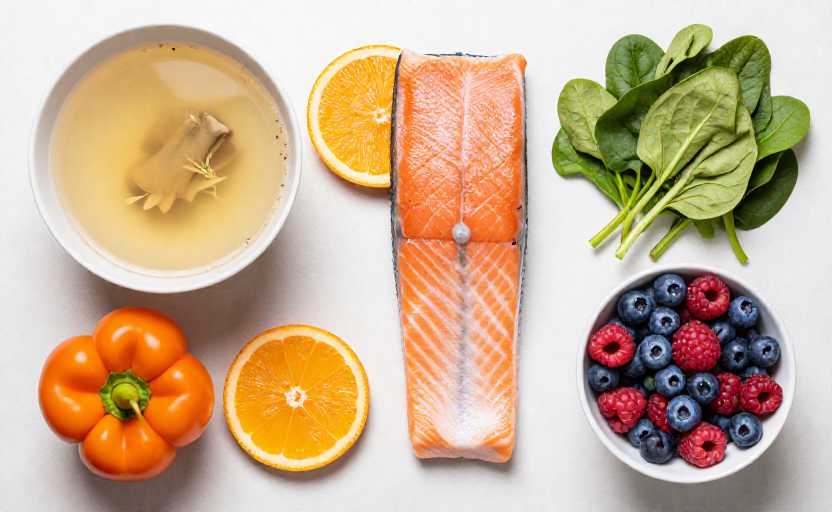
As for naturally high-cholesterol foods that many people dare not touch, my own experience is that as long as you don’t have familial high cholesterol, you can eat one whole egg a day, about 10 shrimps 2-3 times a week, and even crab roe buns once in a while. There was a patient before who quit egg yolk cholesterol for half a year and his cholesterol was still 6.2mmol/L. Later, he changed to one whole egg a day and ate salmon twice a week. After three months of reexamination, the cholesterol dropped to 5.4. The lecithin and unsaturated fatty acids in these natural foods can help regulate blood lipids and are much more nutritious than if you only eat egg whites.
Having said so many pitfalls to avoid, some people must ask, “So what can I eat? You can't just boil vegetables all the time." The recipes I usually prescribe to people who consult are very flexible. They don't need to be weighed accurately, just choose according to the broad categories, which is suitable for most office workers:
If you are in a hurry in the morning, just boil 1 egg + 1 cup of sugar-free soy milk/pure milk + 1 small handful of original almonds (about 10 pieces). If you have enough time, add half an apple or a small dish of cold spinach. Don't touch the hand cakes and shortbreads on the roadside. The trans fats in them are enough for you to metabolize for several days.
For lunch, add 1 fistful of brown rice/oatmeal rice + 1 fistful of high-quality protein (fried pangasius, lean beef with stir-fried celery, steamed shrimp are all acceptable) + 2 fistfuls of green leafy vegetables. Just use olive oil or rapeseed oil for cooking, don’t put too much. If you can only order takeout, avoid braised or fried dishes, and choose steamed or stir-fried dishes, such as steamed fish set, lean pork and stir-fried vegetables. It is best to replace the white rice with multigrain rice.
For dinner, you can have a lighter meal and cook a bowl of mixed bean porridge (mixed red beans, mung beans, oats, and quinoa) + cold okra/garlic lettuce + a few pieces of boiled chicken breast. If you want to eat something fresh, steam 8-10 shrimps with a small bowl of buckwheat noodles. It is not burdensome at all. If you're craving for a snack, eat tomatoes, cucumbers, or drink a small cup of sugar-free yogurt. Don't touch potato chips, biscuits, and cakes. Those things can raise cholesterol more than braised pork.
In fact, I have met so many people with dyslipidemia, and found that most people's high blood lipid index is not caused by eating too much eggs and seafood, but by eating processed food every day and taking out heavy oil and salt. There is no need to eat like a prison sentence. Occasionally, if you are craving for a piece of braised pork or a crab roe mooncake, it will not be a big problem at all. Long-term eating rules and emotional stability are much more important than worrying about the cholesterol content of a certain meal. If you are really not sure whether you can eat something, it is much more reliable to take a blood lipid test after eating for a while than to search for folk remedies online for half a day.
Disclaimer:
1. This article is sourced from the Internet. All content represents the author's personal views only and does not reflect the stance of this website. The author shall be solely responsible for the content.
2. Part of the content on this website is compiled from the Internet. This website shall not be liable for any civil disputes, administrative penalties, or other losses arising from improper reprinting or citation.
3. If there is any infringing content or inappropriate material, please contact us to remove it immediately. Contact us at: