
Diet taboos for cystitis
When suffering from cystitis, the first priority to avoid is spicy, high-sugar, high-acid, caffeine- and alcohol-containing foods. These foods will directly irritate the congested and edematous bladder mucosa, aggravate the symptoms of frequent urination, urgency, and painful urination. They may even offset the effect of anti-inflammatory drugs and slow down the recovery process. Unless there are special circumstances, such taboos should be maintained for at least 3-7 days after the symptoms have completely disappeared, and then a normal diet can be gradually resumed.
Last month, I met a young girl who had just graduated from the urology clinic. She had an acute cystitis attack and was so painful that she shed tears. After taking levofloxacin for two days, her symptoms were basically gone. She was greedy and went to eat spicy butter hot pot with a friend, and also had ice coke. She came back to the emergency room in the middle of the night because she had blood in her urine and painful urination and couldn't stand up. The white blood cells in her routine urine test were higher than the first attack, so she had to wait for three more days with salt water. Many people think it’s just something spicy. How can it be such an exaggeration? Not really. When cystitis attacks, the mucosa on the inner wall of the bladder is like a broken skin wound. What does it feel like when you sprinkle chili powder on the wound? What does it feel like when spicy food is metabolized into the urine and comes into contact with the bladder mucosa? The pain is mild, but in serious cases it can really irritate the mucosa and bleed.
When it comes to "spreading irritants" on the bladder, many people are prone to another misunderstanding: they think they need to take more vitamin C when they are sick, and drink freshly squeezed lemon juice, hawthorn juice, and whole candy tea, euphemistically called "anti-inflammatory and detoxification." I once had a male patient who worked on the Internet. He heard others say that lemon water is sterilizing, so he drank 8 cups of strong lemon water with honey a day. He was almost cured after taking the medicine, but he started to urinate frequently and painfully, and he couldn't even go to work even if he ran to the toilet. When he came for a review, I told him that high sugar and strong acidic things will change the pH value of urine and "buff" the sensitive nerves on the bladder wall. The irritation that was almost subdued suddenly became full, which made it worse.
By the way, there is another question that people ask a lot: Can I eat seafood if I have cystitis? In fact, there has been no unified view in the industry on this issue. Some traditional clinical doctors believe that seafood is a "hair-raising substance", especially foods with high content of foreign proteins such as shrimp, crab, and shellfish, which may aggravate the body's inflammatory response and be detrimental to recovery. ; However, evidence-based research in recent years has also shown that as long as you are not allergic to seafood, do not add spicy food, no alcohol, less oil and less salt when cooking, eating steamed fish and shrimp can supplement high-quality protein and help the damaged bladder mucosa to repair quickly, which is beneficial to recovery. I usually tell patients that if they are really unsure, they should wait until the symptoms have subsided before eating. If they are prone to allergies from seafood, then it is definitely best not to eat seafood during the disease.
There are two other types of things that are really recommended not to touch during the illness, namely drinks containing caffeine and alcohol. Many office workers are accustomed to a cup of American-style refreshment every day, and would not stop drinking it even if they get cystitis. However, caffeine will make the detrusor muscle of the bladder abnormally excited, and it will also accelerate diuresis. Frequent urination is already uncomfortable, but drinking a cup of coffee can double the frequency of running to the toilet. It is purely to make yourself suffer. Not to mention alcohol, not to mention that alcohol itself can irritate mucous membranes and aggravate inflammation. Anti-inflammatory drugs such as cephalosporin and levoxan, which many people take to treat cystitis, will cause a disulfiram reaction when they come into contact with alcohol. In serious cases, you will end up in the emergency room, but don’t make fun of your own body.
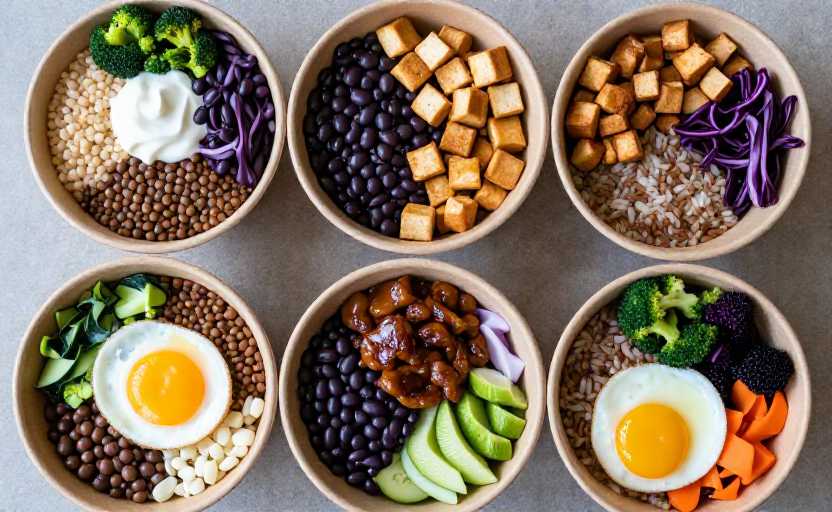
Of course, there is no need to be too extreme. I have seen some patients who did not even dare to add salt after suffering from cystitis. They only ate plain water and boiled vegetables, which made them lose all energy. On the contrary, their resistance decreased more slowly. In fact, as long as you avoid the types of things that are clearly irritating as mentioned just now, there is no problem with eating a normal light diet, such as steamed chicken, eggs, and stir-fried vegetables with less salt. You can eat them to ensure nutrition and you will get better quickly. As for the statements on the Internet that you cannot eat eggs or pork, they have no scientific basis at all and should not be taken seriously.
Finally, I would like to say one more thing, don’t eat and drink too much immediately after the symptoms completely disappear. I have seen too many people go to drink cold beer just the next day, and directly relapse into chronic cystitis, which has been going back and forth for several months. After all, the newly grown mucous membrane is still delicate, so give it a few more days to buffer before eating whatever you want later. After all, the taboo for cystitis is essentially not to put extra burden on the injured bladder. Drinking more warm boiled water is more effective than any other folk remedies.
Disclaimer:
1. This article is sourced from the Internet. All content represents the author's personal views only and does not reflect the stance of this website. The author shall be solely responsible for the content.
2. Part of the content on this website is compiled from the Internet. This website shall not be liable for any civil disputes, administrative penalties, or other losses arising from improper reprinting or citation.
3. If there is any infringing content or inappropriate material, please contact us to remove it immediately. Contact us at:
