Low-salt and low-fat diet taboos
First, complete abstinence from salt/animal fats leads to electrolyte disorders and deficiency of essential fatty acids. Second, relying on processed foods labeled “low-salt and low-fat” leads to more invisible salt and trans fat intake. Third, copying unified standards regardless of age, underlying disease, and exercise intensity can harm the body. The remaining so-called "foods that must not be touched" are basically misinformation. As long as you control the intake and choose the right sources, most ingredients can be eaten.
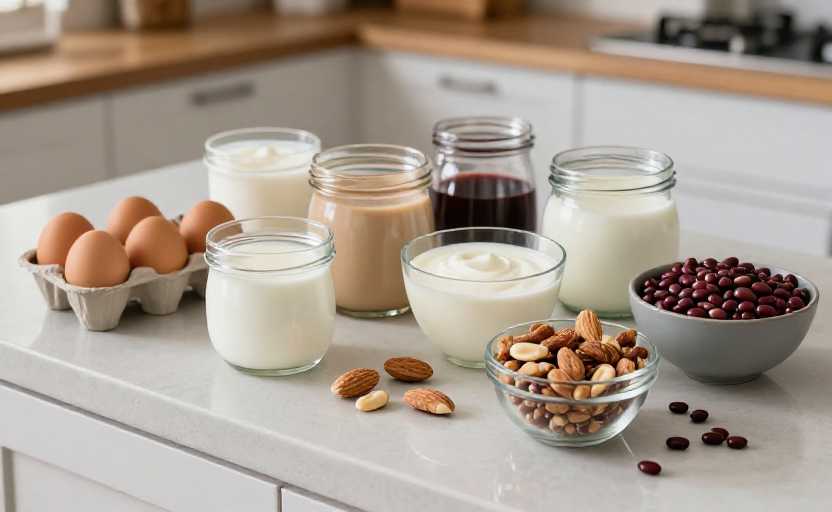
A while ago, I met an uncle who was just diagnosed with high blood lipids. After hearing the doctor's words, "low salt and low fat," he threw away the salt shaker at home. He stopped eating pork, eggs, and whole milk, and only boiled cabbage with multigrain rice every meal without even touching soy sauce. Less than half a month later, my whole body felt weak and I couldn't stand up. I went to the emergency room and was diagnosed with hyponatremia and a lack of vitamin D and Omega-3. The doctor said that if I continued to do this, I might develop cerebral edema. In fact, the current mainstream cardiovascular guidelines recommend that healthy adults should have a daily salt intake of no more than 5g and a fat energy supply ratio of no more than 30% of total calories. They never say to completely quit. Of course, there are different opinions. The sports nutrition community now generally believes that people who often do high-intensity strength training or do physical work outdoors for a long time will lose salt quickly due to excessive sweating. It is absolutely fine to relax the daily salt intake to 8-10g. As long as there are no underlying diseases, eating a piece of fatty beef as big as a palm every day will not put additional burden on the blood vessels. There is no need to treat fat as a scourge.
What’s worse than not eating at all is that you think you’re eating low-salt and low-fat foods, but in fact you’re stepping on the hidden pitfalls of processed foods. I went to the supermarket with my relatives to buy fat-reducing snacks. On the shelf, a row of "low-fat biscuits" and "low-salt potato chips" were the best sellers. When I picked it up and looked through the ingredient list, I discovered that the low-fat biscuits contain three types of fructose syrup to make up for the less oily texture. The sodium content per 100g is 320 mg. Eating two small bags is equivalent to swallowing half a gram of salt. ; The salad dressing labeled "zero fat" is even more unique. It uses hydrogenated vegetable oil instead of egg yolks. The trans fat content is twice as high as ordinary mayonnaise. Eating it is more harmful to blood vessels than eating normal salad. I have an unwritten rule when choosing packaged food: as long as the sodium content per 100g exceeds 300mg, even if the package is printed with "low salt" and "healthy", just put it back. If "hydrogenated vegetable oil", "shortening" and "margarine" appear in the ingredient list, I will not touch it no matter how many "0 trans fats" are marked - after all, the national standard for trans fat content is less than 0.3%, it can be marked as 0, it's just a word play.
What many people also ignore is that there has never been a unified standard for low-salt and low-fat, and copying other people's recipes can easily lead to problems. I had a friend who was in the second trimester of pregnancy. She had no family history of hypertension and her weight gain was within the normal range. She insisted on eating salt-free meals and boiled vegetables with her mother-in-law, who suffered from hypertension at home. As a result, during the prenatal checkup, her blood pressure was only 80/50, and her fetus was two weeks too small, so she was scolded by the doctor. The low-salt and low-fat standards given by the public health field are universal recommendations for the entire population, but there are huge differences among individuals: patients with kidney disease must strictly control salt within 3g per day, and must choose low-sodium salt, but patients with high uric acid must not touch low-sodium salt. The potassium chloride added in it will increase uric acid, which may easily induce gout. ; Children are in a critical period of brain development, and their fat intake is inherently higher than that of adults. If they eat low-fat meals with adults every day, it will affect their cognitive development.
When I cook low-salt and low-fat meals for the elderly at home, I never make them bland. I use dried and ground shiitake mushroom powder and dried shrimp skin powder to replace one-third of the salt. It improves the freshness and reduces sodium. I use olive oil and flaxseed oil instead. I use a small porcelain spoon to scoop out two spoonfuls each time, which is enough for a meal. We will not completely stop eating "taboo foods" such as braised pork and braised pork elbows. Cooking it once or twice a month, with two or three pieces per person each time to satisfy the craving, is better than holding back all the time and sneaking out to eat a big bowl of braised pork rice.
There is really no need to check the list of "10 low-salt and low-fat foods that must not be touched" on the Internet. Occasionally, you are craving for a bite of fried chicken or half a piece of ham. As long as you don't eat too much every time, the impact will be far less than if you eat fake "low-salt and low-fat" processed foods every day. When it comes to diet, it’s always about long-term habits, not just one bite of food.
Disclaimer:
1. This article is sourced from the Internet. All content represents the author's personal views only and does not reflect the stance of this website. The author shall be solely responsible for the content.
2. Part of the content on this website is compiled from the Internet. This website shall not be liable for any civil disputes, administrative penalties, or other losses arising from improper reprinting or citation.
3. If there is any infringing content or inappropriate material, please contact us to remove it immediately. Contact us at: