Guillain Barre dietary taboos
In the acute phase, try to avoid foods that are clearly allergenic and highly irritating. When there is dysphagia, avoid finely divided/thin liquid foods that are easy to choke. During the entire disease process, try to reduce the intake of foods that are high in oil, salt, and indigestible. There are no "foods" that must not be touched. All taboos must be adjusted based on the patient's own basic conditions.
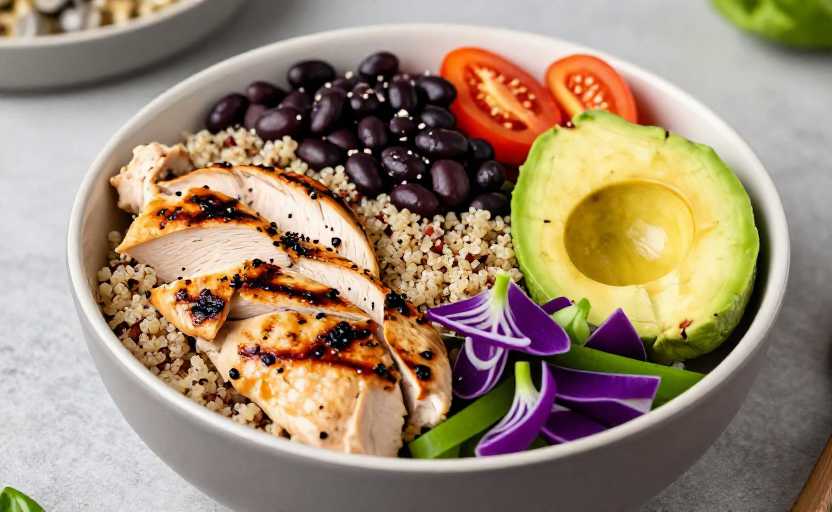
To be honest, I have been in the hospital for nearly 8 years and have seen too many family members make mistakes in their diet. The one that impressed me the most was a 32-year-old courier boy who was taken in last year. When he became ill, his limbs were paralyzed and he had a slight cough when swallowing. The family heard from relatives that he needed to take a lot of supplements when he was sick, so he stewed sea cucumber soup with ginseng and a lot of pepper every day. As a result, he had diarrhea for three days in a row. He had to wear a lower limb brace for ten days longer than he should have been able to take off in a week.
Speaking of this, someone must have asked, is it absolutely forbidden to touch seafood? In fact, there are different clinical views on this issue. One group believes that Guillain-Barre is an autoimmune disease. The immune disorder is severe in the acute phase. Foreign proteins can easily trigger allergic reactions and aggravate the attack on the myelin sheath of peripheral nerves. Therefore, it is best to completely avoid highly allergenic foods such as seafood, mango, and pineapple 2 weeks before the onset of the disease. ; But colleagues in the nutrition department often don’t see it this way. They think that as long as the patient has no clear history of allergies, complete taboos will reduce the intake of high-quality protein and affect nerve repair. As long as the food is light, steamed fish and boiled shrimps are completely acceptable. I usually make a compromise in clinical practice. Those with a history of allergies are strictly prohibited. Those without a history of allergies can eat a few bites less if they want to eat. If they don’t feel uncomfortable, they can continue eating. If they have a rash or diarrhea, they should stop. There is no need to argue about right or wrong.
What needs more attention than what you eat is actually the form of the food. There was a 62-year-old aunt who recovered well and was able to sit up on her own and eat semi-liquids. Her family wanted to give her some nuts and peeled a small handful of melon seeds to feed her. However, she choked on the second one, which directly caused aspiration pneumonia. She had to stay in the hospital for an extra week. About 30% of Guillain-Barré patients will develop bulbar paralysis, and their swallowing reflexes are much weaker than ordinary people. Water, rice soup, porridge with fine particles, and chopped nuts are more dangerous than thick pumpkin puree and egg custard that are too thin. If you choke on drinking water, even milk must be mixed with thickener to make a paste before drinking. Too many family members have stepped on this pitfall.
Another point that is easily overlooked is that when Guillain-Barre develops, many people will suffer from autonomic nerve dysfunction. The intestines and stomach will either not move for a few days and cause constipation, or they will have diarrhea at every turn. At this time, you should really avoid eating high-fat and high-salt foods, such as fatty braised pork and cured fish that have been pickled for more than half a year. Eating them will either block the intestines and stomach and aggravate constipation, or cause diarrhea and dehydration, which will hinder recovery. But there is no need to overdo it and eat boiled vegetables every day. I once took care of a little girl in Chongqing who couldn't eat spicy food at all. After discussing with her family, I added half a stick of millet to each meal to enhance the spicy taste. Her appetite doubled, her albumin remained at a normal level, and her recovery was faster than that of a patient who completely avoided food during the same period.
Finally, if I want to offend people, those "lists of foods that Guillain Barre must not touch" posted on the Internet, including eggs, chicken, and beef, are all nonsense. Guillain-Barre patients need a large amount of high-quality protein to repair damaged nerve myelin. As long as they are not allergic, eggs, milk, and lean beef are the preferred sources of nutrition. If they follow the list and avoid all of them, the protein will not be able to keep up, recovery will be slow, and low-protein edema will easily occur. The gain outweighs the loss.
In fact, to put it bluntly, there has never been a unified standard answer to the dietary taboos of Guillain-Barre. The core are three principles: not to increase the immune burden, not to cause coughing and aspiration, not to hinder nerve repair, just adjust flexibly. If you are really not sure whether something can be eaten, try a few bites first, eat it if you don't feel uncomfortable, and stop if you have any questions, or ask the doctor or nutrition department directly. This is much more reliable than searching for messy taboo lists on the Internet.
Disclaimer:
1. This article is sourced from the Internet. All content represents the author's personal views only and does not reflect the stance of this website. The author shall be solely responsible for the content.
2. Part of the content on this website is compiled from the Internet. This website shall not be liable for any civil disputes, administrative penalties, or other losses arising from improper reprinting or citation.
3. If there is any infringing content or inappropriate material, please contact us to remove it immediately. Contact us at: