
Dietary taboos for tuberculosis
The first is an absolute taboo that cannot be touched in half a mouthful. The second is that it varies from person to person according to their underlying diseases and body tolerance. The third is the "pseudo taboo" that is rumored to be magical but has no evidence-based basis at all. Don't worry about it at all.
Let me start by saying that the most non-negotiable thing is the wine, not even a sip of it. Two years ago, I met a young man in his early 20s at the outpatient clinic. He was recovering well after taking anti-tuberculosis drugs for three months for a review. He drank two cold beers with a friend on the weekend. When he came back for a review, his transaminase increased to more than three times the normal value. He had to suspend the anti-tuberculosis program to protect his liver. He suffered for half a month for no reason. The reason is simple. Commonly used anti-tuberculosis drugs such as isoniazid and rifampicin need to be metabolized by the liver. Alcohol will directly increase the burden on the liver and amplify the stimulation of the nerves by the drugs, which can range from numbness in the hands and feet to liver damage in severe cases. There is really no need to gamble on your recovery speed with the amount of alcohol you drink.
In addition to wine, there is another "invisible killer" that many people have never heard of, which is grapefruit (also called grapefruit) and juice squeezed from pure grapefruit. There was a patient who was afraid of getting angry after taking medicine, so he drank grapefruit juice as water every day. After taking the medicine for two months, the phlegm bacteria did not turn negative. Later, he stopped the grapefruit juice and then checked again within a month, and the indicators turned in a good direction. This is because the furanocoumarins in grapefruit will directly affect the CYP3A4 enzyme activity of liver-metabolizing drugs, which is equivalent to greatly discounting the efficacy of anti-tuberculosis drugs. It has been written into the medication guide as a clear contraindication, and this is not negotiable.
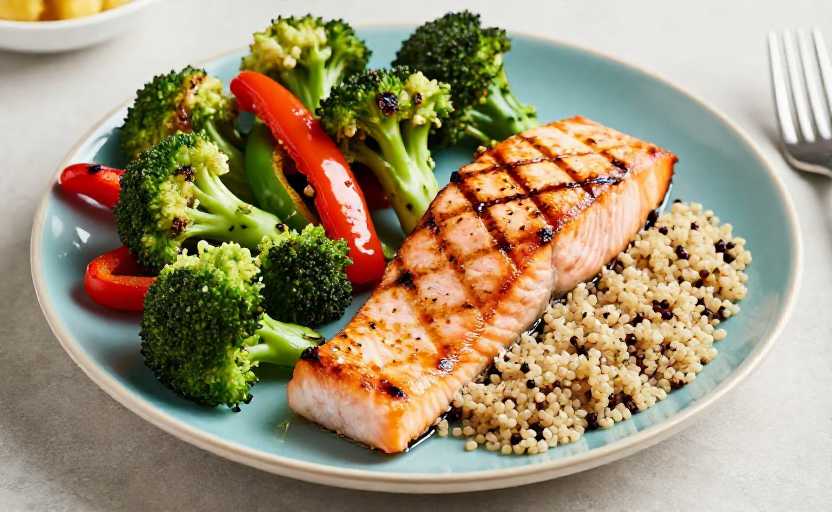
Speaking of this, someone must have asked, what about the "fawu" that old people often talk about? Are fish, shrimp, beef and mutton not allowed to be touched? This is actually the most controversial point at present. Many people who follow traditional dietary concepts think that such foods are "sexually hot" and eating them will aggravate the disease. From the perspective of modern medicine, tuberculosis itself is a highly consumptive disease. Patients need about 30% more protein every day than ordinary people. Fish, shrimp, beef and mutton, eggs, and milk are the best sources of high-quality protein. As long as you are not allergic to these foods, you will not cough more severely or have diarrhea after eating, and you can eat it normally. I once met an aunt who was over 60 years old. She heard from her neighbors that tuberculosis cannot eat eggs or beef. She drank millet porridge with pickles every day. She lost 8 pounds in 3 months, and the absorption of the lesions was half slower than that of patients in the same ward. Later, she was forced to eat two eggs and a glass of milk a day, and eat fish twice a week. The lesions were obviously shrunk during the next review. Of course, if you are allergic and get a rash and cough after eating seafood, you must avoid it and don't bear it.
There is also a saying that has been passed down for many years that tuberculosis patients cannot eat spinach. In fact, it is not so absolute. The oxalic acid in spinach is indeed easy to combine with the calcium in the body to form calcium oxalate, which affects calcium absorption. However, it is true that tuberculosis patients need calcium supplements. There is no need to directly blacken the spinach. As long as you blanch the spinach in boiling water for 1 minute before cooking, more than 80% of the oxalic acid can be removed. Eating half a bowl normally has no effect at all.
Of course, this does not mean that all foods can be cooked openly. In some cases, flexible adjustments must be made. For example, tuberculosis patients with diabetes must strictly control their sugar. A high-sugar environment can easily provide a breeding ground for tuberculosis bacteria to breed. If blood sugar is not controlled well, tuberculosis will be cured slowly and may relapse easily. ; If you are diagnosed with high uric acid and have gout while taking pyrazinamide, you should avoid high-purine foods such as animal offal, thick broth, and shelled seafood. Ordinary people do not need to avoid this at all. There are also those spicy hot pots and abnormal spicy kebabs that are so spicy that they choke your throat. If you already have tuberculous pleurisy and your pleura is pulled and painful when you cough, don't join in the fun. The only one who suffers is the cough that makes you unable to sleep after eating. Oh, by the way, some people asked if they can drink milk tea. Ordinary patients can drink it if they want, as long as they don’t drink it as water every day. If they have diabetes, forget it.
I often tell patients in the hospital that your disease is a "disease of wealth." You have to eat well and sleep well, and don't think about taboos. If you encounter a food that you are not sure about, try one or two bites. If you don't feel uncomfortable, continue eating. If you feel uncomfortable, stop eating. It is much more effective than looking at dozens of taboo lists on the Internet. After all, compared with "what not to eat", supplementing nutrition and improving immunity are the core of getting better quickly.
Disclaimer:
1. This article is sourced from the Internet. All content represents the author's personal views only and does not reflect the stance of this website. The author shall be solely responsible for the content.
2. Part of the content on this website is compiled from the Internet. This website shall not be liable for any civil disputes, administrative penalties, or other losses arising from improper reprinting or citation.
3. If there is any infringing content or inappropriate material, please contact us to remove it immediately. Contact us at:
