How to prevent falls with high blood pressure
The first is to stably control long-term blood pressure within a target range adapted to personal conditions; the second is to avoid behaviors that trigger severe instantaneous blood pressure fluctuations as much as possible; and the third is to investigate and eliminate fall risk sources in daily activities in advance. All the detailed suggestions that follow are essentially an extension of these three points.
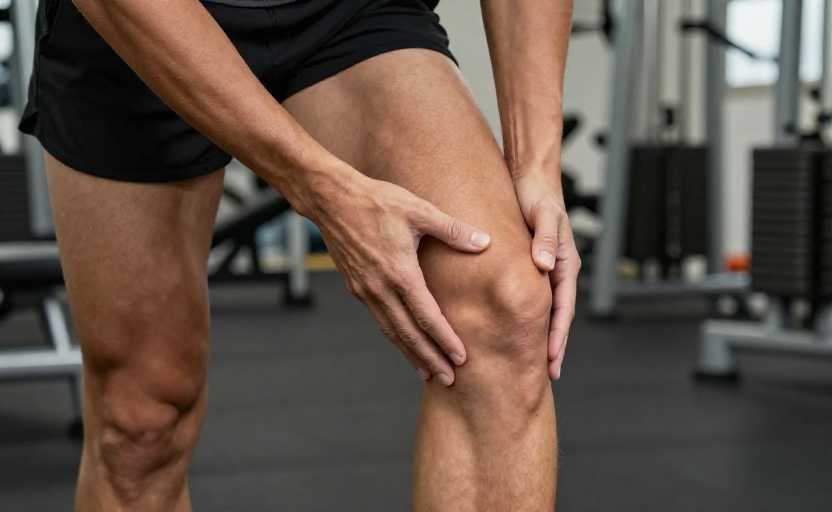
Last week I met 72-year-old Uncle Wang at a community free clinic. He has a 12-year history of high blood pressure. He always takes medicine three days for fishing and two for sunbathing. He only took one tablet when he remembered. As soon as he woke up last Sunday morning, he sat up and went to the toilet. As soon as he walked to the bathroom door, his vision went black and he fell. He has a fractured femoral neck and is still hospitalized in the orthopedics department. In fact, I have seen no less than 20 cases of this kind in the past few years when I have been following up on chronic diseases. Many people always think that "I usually have high blood pressure and don't feel uncomfortable at all. It is bad luck to fall." They do not realize that fluctuations in blood pressure are the biggest cause of falls. To put it bluntly, blood pressure is like a roller coaster. Fluctuating up and down is much more dangerous than staying at a slightly higher level.
Speaking of which, I have to mention the issue of pressure control targets that is still being discussed in the academic community, and there is no unified standard answer. For patients under the age of 65 who are in good health and have no other underlying diseases, current mainstream guidelines still recommend stable blood pressure control below 130/80mmHg. However, for elderly people who are frail and have multiple organ underlying diseases, many geriatrics experts have proposed in recent years that the blood pressure can be relaxed to 150/90mmHg. Excessive pursuit of lowering blood pressure will increase the probability of orthostatic hypotension. Insufficient blood supply to the brain will make you dizzy, and make you more likely to fall. Therefore, it is much more reliable to ask your attending doctor to set a unique blood pressure control target than to randomly adjust medication based on online standards.
In addition to tailor-made goals for long-term stress control, the small details that are easily overlooked in daily life are the triggers of many falls. I have met several uncles and aunts who just took antihypertensive medicine in the winter morning and rushed out with a vegetable basket. As soon as they walked out of the unit door, they were hit by the cold wind, their blood vessels contracted violently, their blood pressure rushed up, and they fell down due to unsteadiness. Some people like to hold their urine for a long time before going to the toilet. When urinating, the abdominal pressure drops suddenly, the blood pressure drops suddenly, and they are prone to fainting. Therefore, I usually tell the elderly people I follow up to stand in the corridor for two or three minutes to adapt to the temperature before going out. Do not do strenuous exercise in the first hour after taking antihypertensive drugs. Even if it is square dancing, it is best to wait until the peak of the drug effect has passed. Don’t be too troublesome. It can really save a lot of trouble.
Some people also say that patients with high blood pressure should not move because they are prone to falling if they move. This is actually a misunderstanding. Another school of sports medicine believes that moderate balance training can enhance the strength of the lower limbs and reduce the risk of falls. For example, you can walk slowly for 20 minutes a day or play a simplified version of Baduanjin. However, it is best to choose a time period between 2 and 4 p.m. when blood pressure is relatively stable. Do not exercise on an empty stomach or right after eating. There used to be an Aunt Zhang in the community. She used to be shaky when walking. She insisted on walking slowly for half an hour in the community every afternoon for almost a year. Now her balance is much better. She didn't fall when she stepped on a pebble last time. She would have fallen before.
Don't just focus on your blood pressure, small pitfalls and snags at home are the last straw. I have seen a lot of home visits before where the anti-slip mats are thin, and the corners are warped when you step on them, making it easier to trip over. If you want to buy one, buy the kind that is thick and has a full suction cup on the back. It will work if you stick it on the bathroom floor and it can't be pulled even if you pull it. Don’t pretend to have armrests. I’ve seen some families install armrests on the side of the toilet. When the elderly get up, they can’t reach them at all. It’s a waste of time. It’s best to install them right in front of the toilet, so that they can be reached when they stand up. You must put a small push-type desk lamp on your bedside table. When you get up at night, first turn on the lamp and sit for 30 seconds, then put your feet on the ground and stand for 30 seconds. Walk after you have relaxed enough. This "three 30-second" mantra has really saved many people's lives. There was an Aunt Li who used to find it troublesome and felt that her health was not good. Last year, she fell down and hit her forehead while getting up at night, which required three stitches. Now she obediently counts for a few seconds every time she wakes up, and she no longer dares to be careless.
If you suddenly feel dizzy and your eyesight goes dark while walking, don't force yourself to move to the sofa or bed. Immediately hold on to something you can grab. If there is nothing to grab, squat down slowly. You can even sit directly on the ground. Landing on your butt will be lighter than falling on your head. If the antihypertensive medicine you take contains diuretics and you wake up frequently at night, you can ask your doctor if you can adjust the time of taking the medicine to the morning to reduce the frequency of waking up at night and reduce many risks.
In fact, there is no universal formula for preventing falls. Everyone's blood pressure fluctuation pattern is different. It is best to measure your blood pressure at different times at home. Measure it before getting up, 2 hours after taking medicine, before exercise, and before going to bed. It is much more useful to understand your own blood pressure rhythm than copying other people's experience. After all, it is more cost-effective to pay more attention in the early stage than to suffer after a fall.
Disclaimer:
1. This article is sourced from the Internet. All content represents the author's personal views only and does not reflect the stance of this website. The author shall be solely responsible for the content.
2. Part of the content on this website is compiled from the Internet. This website shall not be liable for any civil disputes, administrative penalties, or other losses arising from improper reprinting or citation.
3. If there is any infringing content or inappropriate material, please contact us to remove it immediately. Contact us at: