
Migraine dietary taboos
Currently, there is no food that all migraine patients must abstain from. The core principle of dietary taboos is Prioritize avoiding your personal trigger foods , general high-risk foods are for reference only, and there is no need to blindly apply them across the board.
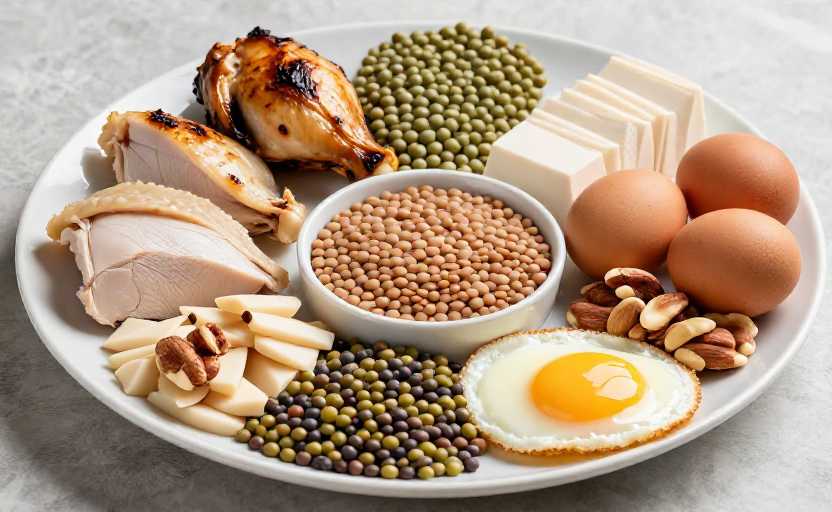
Last week, a girl who had suffered from migraine for 8 years came to me with the "List of 20 Things to Avoid for Migraines" that she searched online. She said that after drinking white porridge for half a month, the pain became more frequent. When I asked, I found out that eggs and milk were also included in the list. She is not allergic to these two types. Her blood sugar fluctuated due to hunger every day, which actually caused blood vessel fluctuations. To be honest, the unified prohibition list regardless of individuals is as outrageous as saying "no seafood" to all people with allergies - they may just be allergic to pollen, and you have banned their favorite salmon for no reason. There is no need.
The reason why there are general high-risk foods is that migraine is a neurovascular dysfunction disease. The ingredients in some foods can stimulate the trigeminal nerve, or induce abnormal contraction and expansion of intracranial blood vessels. According to statistics, there are indeed several types of food that have a higher trigger probability, but the applicable group of each type is controversial, and it is by no means suitable for everyone.
For example, tyramine in fermented and long-stored foods, such as Parmesan cheese that has been aged for more than a year, sausages that have been hung on the balcony to dry for half a month, old pickles that have been pickled in jars for more than half a year, and leftover green leafy vegetables that have been stored at room temperature for more than 24 hours, the tyramine content will soar as the storage time increases. However, current clinical data shows that only about 15% of migraine patients are sensitive to tyramine, and the remaining 85% will not have any problems even if they eat fresh pickled radish every day. There is no need to blacklist all fermented foods. I once met a patient who loved to eat blue cheese. She was fine every time she ate it, but it hurt when she ate freshly boiled corn. After a long investigation, I found out that she was allergic to a small amount of pollen remaining on the corn, and it had nothing to do with tyramine.
There is no unified standard for the stimulant drinks that everyone is arguing about the most. Caffeine itself is a common component of analgesics in the acute phase of migraine. Many patients drink a cup of Americano every day, and the frequency of attacks can be reduced by 30%. ; But if you rarely drink coffee, and suddenly drink two cups of iced Americano with espresso, or drink a functional drink with taurine added, it will most likely induce throbbing pain in your blood vessels. The trigger rate of red wine in alcohol is about three times higher than that of white wine and beer. However, some people drink half a glass of red wine and are fine, but drink half a bottle of cold beer and it will hurt the next day. In the final analysis, individual differences have the final say.
There are also additives that everyone avoids, and there are even more misunderstandings. It has been rumored for decades that "you should not eat MSG if you have migraines." The 2021 study of the American Headache Society has long refuted the rumor: only ingesting more than 3g of MSG (almost a full spoonful) at one time can induce headaches in sensitive people. If you add less than 1g to daily cooking, there will be no problem at all. On the contrary, nitrites in processed meat products and aspartame in sugar-free drinks have a higher probability of triggering - I have seen several patients whose temples started to bulge after drinking half a can of Coke Zero. They would be fine if they switched to ordinary sugary cola. This is a clear sugar substitute sensitivity, and you can just pay attention to avoid it.
Interestingly, there are many niche triggers that don’t even appear on the general list. I have done diet tracking for more than a dozen patients before, and the most outrageous trigger was fresh lychees. She would feel pain every time she ate more than 3 lychees. After checking, I found out that she had taken in too much fructose at one time, which had induced changes in blood vessel permeability. Apart from keeping a food diary, it is impossible to diagnose this problem with a general checklist.
And don’t overdo it to avoid triggers. I met someone who ate only rice and boiled vegetables every day in order to avoid headaches. In the end, he was deficient in magnesium and vitamin B2, and the frequency of attacks doubled, which was not worth the loss. If you really can't figure out your taboos, just jot down what you ate and did in the memo on your phone 4 hours before each headache attack, and keep it for 1-2 months. You know better than any expert what foods hurt when you eat them, and it's much more reliable than just copying the list online.
Disclaimer:
1. This article is sourced from the Internet. All content represents the author's personal views only and does not reflect the stance of this website. The author shall be solely responsible for the content.
2. Part of the content on this website is compiled from the Internet. This website shall not be liable for any civil disputes, administrative penalties, or other losses arising from improper reprinting or citation.
3. If there is any infringing content or inappropriate material, please contact us to remove it immediately. Contact us at:
