Proteinuria dietary taboos
There is no standard answer for dietary taboos for patients with proteinuria, but there are three core red lines that must not be touched - do not blindly supplement high protein, do not eat high-salt and high-sodium foods for a long time, and do not eat health products with unknown ingredients, folk remedies and nephrotoxic drugs. The rest of the taboo requirements must be adjusted based on your 24-hour urine protein quantification, kidney function level, and type of primary disease. Others' taboos may be counterproductive when applied to you.
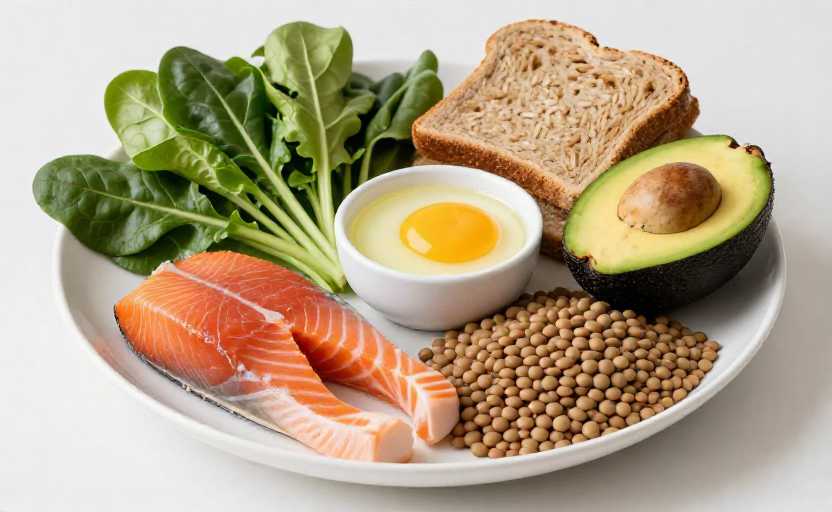
Don’t think that you have to make up for lost protein, and eat blindly with the mentality of “what you eat to make up for it”. There are really a lot of people who fall into this trap. I treated a young girl who had just graduated a while ago, and her physical examination showed that her urine protein was 1+. I checked online and said that if she missed the protein, she should make up for it as soon as possible. She added half a pound of milk to two eggs every morning, and drank a spoonful of protein powder before going to bed. When she came back for a checkup in half a month, her urine protein rose to 2+, and her creatinine dropped by a small amount. In the past few years, there was a clinical saying of "replenishing as much as you leak". Now the latest KDIGO guidelines have made it clear that as long as the kidney function is normal, even if there is proteinuria, the daily protein intake is enough to be controlled at 0.8-1.0g per kilogram of body weight. Converted to a 60 kg adult, eating one egg, a 250ml cup of milk, and one or two lean meats a day is completely enough. More protein will increase the filtration pressure of the glomerulus, causing more leakage. If renal insufficiency has occurred and the glomerular filtration rate drops below 60, the protein intake needs to be reduced to 0.6-0.8g, and when necessary, compound α-keto acid can be used to supplement essential amino acids. Of course, there are different voices. For example, in the field of traditional Chinese medicine, if the patient is in the acute stage of spleen and kidney qi deficiency, it will be recommended to appropriately increase the intake of high-quality protein by 10%-20%, but the premise must be the guidance of a regular traditional Chinese medicine practitioner after syndrome differentiation, and it is definitely not a random supplement at home.
Compared with the misunderstandings about protein supplementation, there is a more hidden minefield, which is a high-salt diet. Many people think that eating too much salt is just a sign of high blood pressure, which has nothing to do with urinary protein. Last time, there was a young man with nephrotic syndrome whose edema had just subsided. He secretly went out to eat thirteen-spice crayfish with ice beer without telling the doctor. The next day, when he woke up, half of the pool was filled with foamy urine. The 24-hour urine protein quantification jumped from 0.3g to 2.7g during the review. He was completely confused. High salt will increase the internal pressure of the glomerulus and aggravate water and sodium retention. If the glomerulus has a "small hole" in it, the rate of protein leakage will double when the pressure is high. There is no need to apply a one-size-fits-all approach here. If only the physical examination reveals a weak positive urine protein, the 24-hour ration is less than 0.5g, and there are no problems with high blood pressure or edema, there is no need to have so much salt that you don’t even dare to touch soy sauce. Keep it within 5g per day (roughly). Just as much as one beer bottle cap) is sufficient. If you already have a lot of proteinuria, edema, or high blood pressure, you must strictly control salt within 3g. Avoid touching high-salt foods such as pickled foods, pickles, processed snacks, and takeaways if you can.
There are also some taboos hidden in the dark, which are much more dangerous than eating the wrong meat and drinking the wrong soup, which is eating all kinds of things that are said to "protect the kidneys". There used to be an aunt in her 60s whose proteinuria had been stable for almost two years. She heard from neighbors in the community that boiling raw Polygonum multiflorum in water can replenish the liver and kidneys. She went to the suburbs to dig out half a catty and boiled the water to drink. Within two weeks, she felt nauseous and felt like vomiting. When she came to check for acute kidney injury, the protein in her urine soared to more than 3g. Whether it is antipyretic analgesics such as ibuprofen and acetaminophen in Western medicine, or unprocessed Chinese medicinal materials containing aristolochic acid such as Radix Polygoni Multiflori and Guanmutong, as well as those "kidney-protecting health products" with unknown ingredients on the market, they will directly damage the renal tubules, aggravate proteinuria, and even induce acute kidney injury. Of course, it doesn’t mean that you can’t take traditional Chinese medicine. The prescriptions prescribed by regular traditional Chinese medicine hospitals based on syndrome differentiation and treatment are all prepared and compounded, and their safety is guaranteed. I’m afraid that people may just listen to the “experienced prescriptions” of neighbors and relatives and grab them for themselves.
Finally, I would like to dispel a rumor that has been circulating for decades: patients with proteinuria are not completely prohibited from eating soy products. In the past, everyone thought that soybeans were plant proteins and not high-quality proteins. Now it has long been confirmed that the amino acid pattern of soybean protein matches the needs of the human body and is a high-quality protein. As long as the total intake is controlled, eating some soft tofu and drinking a cup of light soy milk is healthier than eating too much red meat. Of course, if you have high uric acid or gout at the same time, you can avoid soy products with high purine content such as thick soy milk and bean curd sticks. Ordinary tofu is completely fine. You don’t have to wave your hands when you hear soy products.
Having said that, dietary taboos for proteinuria are never black and white rules. I have seen patients whose 24-hour ration is stable at 0.3g, and it is no problem to occasionally drink a cup of milk tea and have a hot pot meal. I have also seen patients who have well-controlled proteinuria relapse directly after eating pickles for a week. The core is always to combine your own physical condition, control the amount, don't be greedy for too much, and regularly review the 24-hour urine protein quantification and kidney function. It is much more effective than not daring to eat this or that based on the taboo list on the Internet.
Disclaimer:
1. This article is sourced from the Internet. All content represents the author's personal views only and does not reflect the stance of this website. The author shall be solely responsible for the content.
2. Part of the content on this website is compiled from the Internet. This website shall not be liable for any civil disputes, administrative penalties, or other losses arising from improper reprinting or citation.
3. If there is any infringing content or inappropriate material, please contact us to remove it immediately. Contact us at: