Wound dietary taboos
At present, there are only three categories that need to be absolutely avoided according to clinical verification - any food and drink containing alcohol, foods that will cause specific allergies in oneself, and a large number of spicy and irritating foods that should be avoided based on one's own tolerance and wound location. Most of the other widely circulated statements such as "cannot eat hair, soy sauce, and eggs" have no clear scientific basis.
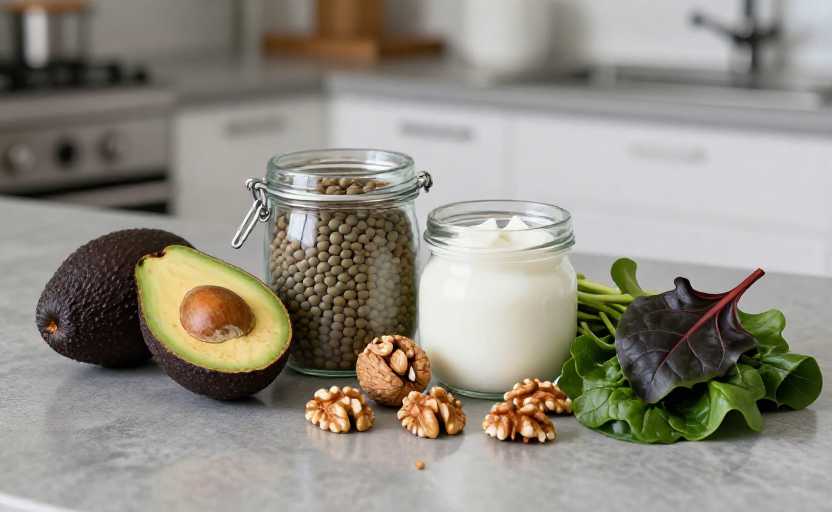
Don’t believe it, last week I met a little girl who had a mole removal surgery on her face. She didn’t even dare to touch boiled eggs. She drank white porridge with vegetables every day. When she came to remove the stitches, her face was pale. Her wound healing was two full days slower than that of other patients in the same period. When I asked her, I found out that the old man in the family said that eggs are “fat” and eating them will leave scars. Speaking of this, someone must be asking, is the idea of "fading things" that has been passed down by our ancestors for so long all wrong? Actually no, this happens to be the most controversial point at present: the core of "fading food" in traditional Chinese medicine theory refers to foods that can induce chronic diseases and aggravate current symptoms. When put in the context of wounds, they are foods that can easily aggravate the redness and swelling of sores. This statement is applicable to a specific group of people, and not everyone must copy it. For example, if you have a damp-heat constitution, you will get angry and develop pustules when you eat some mutton. Eating it when you have a wound may indeed aggravate the redness and swelling. However, if you usually eat beef and mutton without any discomfort, there is no need to quit. On the contrary, you will lose a lot of high-quality protein intake and slow down the healing speed. However, there is no concept of "hair growth" in modern clinical practice. Many people feel that the wounds are uncomfortable after eating seafood and leeks. Most of them are allergic to these foods, or the wounds on the mucous membranes such as the oral cavity and perianal area are rubbed by rough food. It has nothing to do with whether the food itself "hair growth".
Let’s start with the only thing to 100% avoid: anything containing alcohol. Whether it’s red wine, white wine, beer, stewed dishes with cooking wine, or fermented glutinous rice dumplings with high alcohol content, if you can’t help it, don’t touch it. Alcohol will dilate blood vessels, which may aggravate wound edema and pain, or cause newly coagulated wounds to bleed again. If you happen to be taking antibiotics such as cephalosporins and metronidazole, it may also cause a disulfiram reaction, which can be fatal in severe cases. A young man fell down while riding an electric scooter and needed four stitches on his knee. A friend helped him with two bottles of beer. The wound was so swollen that night that the sutures fell apart. He ran back to the emergency room for debridement in the middle of the night and was so painful that he broke into a cold sweat. It was completely unnecessary.
As for the spicy food that everyone often asks about, there is really no need to eat it at all. Interestingly, there are still a few clinical studies that believe that a small amount of capsaicin can promote inflammation metabolism and be beneficial to healing. Whether you should avoid food or not depends on two things: first, your usual tolerance for spicy food. If you have a constitution that eats spicy food all the time in the Sichuan and Chongqing areas, and the wound is not located on the mucous membranes of the mouth, throat, and perianal area, eating mildly spicy home-cooked food will have no effect at all. ; If you can't eat even half a pepper, or you just had oral surgery or perianal abscess surgery, it's better not to do it. I've seen patients who had just had perianal abscess surgery and ate spicy hot pot. The pain was so bad the next day that they couldn't even sit on a stool. When they came back for review, the wound was swollen like a peach, and it took a whole week to change medicines before it went away.
Needless to say, it goes without saying when it comes to foods that will cause you to be allergic. You will get hives, redness, and itching when you eat something. Don’t touch it when you have a wound. The release of histamine caused by allergies will aggravate the edema and itching around the wound. If you can’t help but scratch it, it will easily leave scars.
The remaining taboos that are widely circulated are basically misunderstandings. The most typical one is "Eating soy sauce will leave black scars." I don't know how many times I have explained it: melanin in the skin is synthesized by tyrosinase under the action of ultraviolet rays. The tyrosine content in soy sauce is not as high as that in milk. It has been metabolized long ago in the stomach and will not reach the surface of the skin to stain it. Two patients who had facial surgeries at the same time did not dare to touch any colored condiments for a month and a half. They went out to bask in the sun every day. In the end, the wounds still left obvious discoloration. ; The other ate rice mixed with soy sauce every day, and wore a hat and a mask tightly when going out. In the end, the stitches were removed without even leaving any traces. It was clear at a glance which one was more serious. It’s even more outrageous to say that you can’t eat eggs or drink milk. These high-quality proteins are the “fuel” for wound healing, and are a hundred times more effective than drinking ten meals of bone broth full of fat and purine.
To be honest, when I had my subcutaneous lipoma removed last year, I didn’t drink except for the first three days. I usually ate shrimps and braised beef. I had the sutures removed within a week and there were no problems. On the contrary, the uncle in the same ward didn’t dare to touch anything. He drank white porridge every day, which delayed the healing for three whole days. After so many years of working in surgery, I have seen too many people be hesitant about eating, but ignore the key factors that really affect wound healing: change dressings on time and do not touch the water, see a doctor promptly if there is exudation, and wear sunscreen during the healing period to avoid discoloration. As for food, except for the minefields mentioned above, eat whatever you want. A good mood will be more conducive to recovery.
Disclaimer:
1. This article is sourced from the Internet. All content represents the author's personal views only and does not reflect the stance of this website. The author shall be solely responsible for the content.
2. Part of the content on this website is compiled from the Internet. This website shall not be liable for any civil disputes, administrative penalties, or other losses arising from improper reprinting or citation.
3. If there is any infringing content or inappropriate material, please contact us to remove it immediately. Contact us at: