Diet taboos after frozen embryo transfer
Foods that clearly contain harmful ingredients, foods that are likely to cause allergies or gastrointestinal discomfort, and raw foods that are not fully processed and cooked do not make you lose your appetite and make you anxious because of unwarranted taboos.
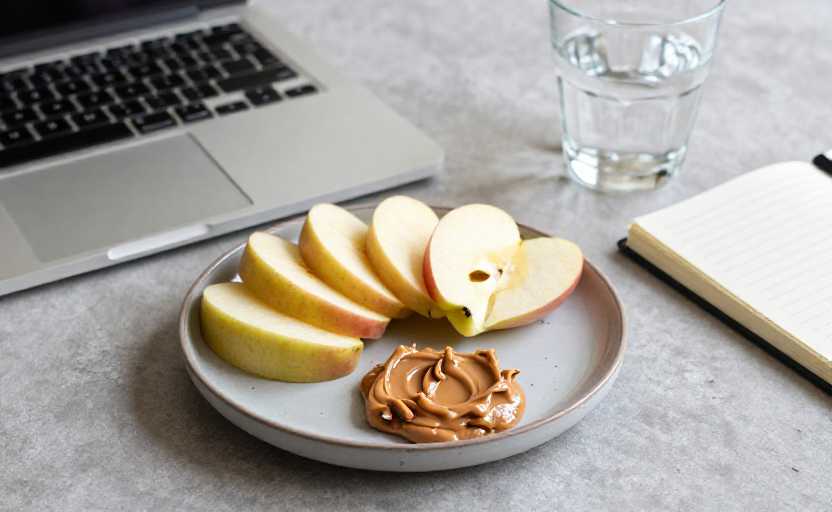
I'm not just talking nonsense. The last time I accompanied my best friend to the Provincial People's Medical Reproductive Department for a follow-up consultation, she was holding on to the "post-transplant fasting list" saved from the maternal and infant forum. She even struggled for a long time to drink room-temperature yogurt. The director scolded her on the spot: "As long as you usually eat something that doesn't make you feel uncomfortable, you can eat it now. Don't think about it every day. The more nervous you are, the harder it will be."
Of course, controversy about dietary taboos does exist. Many doctors of traditional Chinese medicine will recommend avoiding blood-stimulating and cold foods after transplantation, such as hawthorn, longan, ice drinks, and crabs. They feel that the embryo is unstable in early pregnancy and eating it may increase the risk of bleeding and miscarriage. This statement is not completely unreasonable. I have a sister who has a cold uterus and usually suffers from diarrhea when eating ice. After the transplant, she drank half a cup of ice milk tea and had diarrhea for two days. The implantation failed in the end. Although the ice milk tea is not necessarily to blame, the violent gastrointestinal peristalsis may indeed stimulate the uterus. If you have a weak stomach and are prone to dysmenorrhea and diarrhea, it is definitely not harmful to follow the doctor's advice and avoid these foods.
But if you are usually in good health and eating crabs and ice watermelons are not a problem, there is really no need to quit. I used to know a little sister who was born in 1995. On the day of the transplant, she showed off half a bunch of candied haws and two pieces of iced watermelon when she got home. She didn’t feel any discomfort at all. Later, her blood value doubled and she was so good that her baby can now run all over the floor. Most reproductive doctors also agree with this point of view: the so-called "blood-activating ingredients" and "cold-cooling properties" in ordinary food have to be eaten in very large amounts to have an impact on the body. If you try it in two bites, you will not reach the effective dose at all. Instead of worrying about it for a long time after eating, it is better to either not eat it at all, or not take it seriously after eating it. The impact of emotions on bed is much greater than that bite of watermelon.
To say that all doctors are unanimously required to avoid them, there are actually only a few, not as exaggerated as the dozens or hundreds of ones reported online. First of all, all foods that are not fully cooked, including sashimi, soft-boiled eggs, medium-rare steaks, and tripe cooked in hot pot for more than ten seconds. These foods may carry salmonella, listeria, and even Toxoplasma gondii. Ordinary people may have diarrhea for a few days after eating them. However, infection after transplantation may not only cause uterine contractions, but also seriously affect embryonic development. There is clear research basis for this, so don’t touch it no matter how greedy you are.
Then there are foods that clearly contain alcohol, whether it is fermented rice dumplings, wine-filled chocolate, or so-called "low-alcohol fruit wine." As long as there is alcohol, avoid it. The teratogenic effect of alcohol on embryos is real. Even a little bit may be risky. This is really not negotiable. If you add some cooking wine to the cooking, that's fine. The alcohol will have evaporated long ago after cooking at high temperature, so there's no need to worry about it.
There is also a type of food that you feel uncomfortable eating. For example, you are allergic to mangoes or get rashes after eating seafood. Don’t just eat it because you need to supplement nutrition after a transplant. If you are really allergic, you will need to take medication, which will be troublesome and the gain will not be worth the loss.
Another pitfall that many people easily fall into is that after the transplant, they go crazy with supplements and stuff bird's nest, sea cucumber, and cordyceps into their stomach every day. I had a patient before who took 3 bowls of bird's nest and 2 sea cucumbers every day after the transplant. As a result, he got angry and constipated. His legs were numb when he squatted on the toilet, which irritated his stomach. In the end, it didn't work. In fact, there is no need to take special supplements after transplantation. Just keep the same diet as usual, add more high-quality proteins such as eggs, milk, and lean meat, and eat more vegetables to prevent constipation. It will be more effective than any sky-high-priced supplements.
In fact, I have met so many sisters who have undergone in vitro fertilization, and I have never seen anyone fail to implant because they took a bite of crab. On the contrary, many people are worried about what they can't eat and what they can't touch every day, and they are so anxious that they can't sleep all night long, which finally affects their state. Frozen embryo transplantation is something that requires relaxation. As long as you don’t do anything in your diet or touch anything that is clearly harmful, just do whatever is comfortable for you. If you are really unsure, ask your attending doctor. After all, everyone’s physical condition is different. It is better to listen to the doctor who treats you than to listen to strangers on the Internet, right?
Disclaimer:
1. This article is sourced from the Internet. All content represents the author's personal views only and does not reflect the stance of this website. The author shall be solely responsible for the content.
2. Part of the content on this website is compiled from the Internet. This website shall not be liable for any civil disputes, administrative penalties, or other losses arising from improper reprinting or citation.
3. If there is any infringing content or inappropriate material, please contact us to remove it immediately. Contact us at: