
Allergy food books
Currently, these officially published books are mainly divided into three categories: family science, clinical expertise, and industry control. Before purchasing, you should first understand your usage scenarios. Do not read folk prescription books that claim to be able to "cure allergies", as they are likely to cause pitfalls.
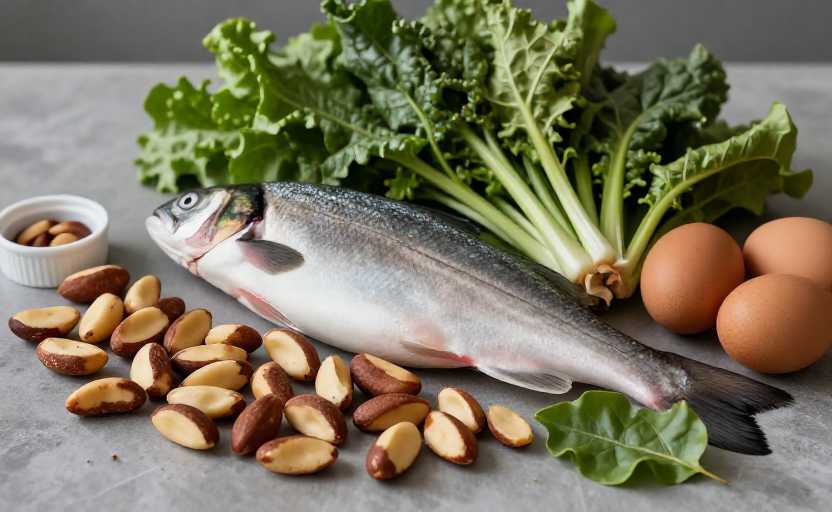
Not long ago, I found out that my youngest son, who had just turned 1 year old, was found to be allergic to milk, eggs, and mangoes. She was so anxious that she spent half the night shopping in her shopping cart and bought seven or eight related books. Two popular popular science books on the Internet actually said that "deeply hydrolyzed milk powder is not as easy to absorb as homemade goat milk powder." She fed him accordingly for three days. The rash on his body directly covered his back, and he went to the emergency room all night, which was so frustrating.
In fact, popular science books for ordinary families are the best-selling among this type of books, and they are also the most likely to be mixed up. There are basically two types of orthodox popular science books on the market. One is compiled by the allergy departments and pediatric teams of domestic tertiary hospitals. For example, the "Food Allergy Prevention and Treatment Handbook" compiled by the Allergy Department of Peking Union Medical College is very stable. All recommendations follow the latest domestic clinical guidelines. It clearly states that babies with cow's milk protein allergies should choose the corresponding grade of hydrolyzed formula and not just replace it with ordinary goat milk powder. This is the book I handed to Fa Xiao at the time. Only after reading it did she realize how big a trap she had stepped into. The other type is the translation imported from Europe and the United States in recent years, which focuses on "early introduction of allergens to build tolerance." For example, the imported version of "Children's Food Allergy Self-Rescue Guide" recommends that healthy babies can try small amounts of highly allergenic foods such as peanuts and milk when they are 6 months old and supplementary food, and do not need to deliberately avoid them after 3 years old. This view is not yet completely unified in the domestic academic circles. I have asked doctors from different hospitals. Some think that as long as the baby is not clearly at high risk of allergies, it can be tried. Some think it is better to wait until the age of 1 before trying it. When you look at it, you can consider the actual situation of your own family, or directly ask the attending doctor for his opinion. Don't stick to the content in the book.
If you are a practitioner in pediatrics, nutrition or allergy, the popular science books just mentioned are not enough. When I was rotating in the nutrition department, the director gave all new colleagues the "Standards for the Diagnosis and Treatment of Food Allergy" compiled by the Chinese Medical Association, as well as the imported version of "Diagnosis and Management of Food Allergy", which contains complete pathogenesis, diagnosis and treatment procedures, nutrition plans for special groups, and the latest content related to biological agent treatment. There are many professional terms that ordinary people cannot understand even if they buy them. There is no need to spend such money.
There is also a relatively niche category, which are industry control books for food production and catering practitioners. Last year, I helped a friend who runs a bakery find a "Guide to Prevention and Control of Food Allergen Risks". She wanted to create a gluten-free and egg-free product line at the time. It detailed how to avoid cross-contamination during the production process, how to mark allergen labels to meet national standards, and even how store employees explain allergen risks to customers. It is very practical, but it is basically inaccessible to ordinary consumers.
To be honest, there are really a lot of pitfalls in this kind of books nowadays. When I watch short videos, I often see people recommending privately printed books with "7 days to cure food allergies" and "fasting and detoxification to reverse allergies" printed on the cover. The fragmented content I copied either advocates taking large doses of vitamins or fasting, and other evil ways. I have seen some netizens take 10 vitamin C tablets a day to fight allergies according to the book, and ended up with kidney stones. It is really not worth the gain.
I have a tip for choosing this kind of book. Turn to the last few pages of the book and read the references. If they list core journal articles and official domestic or international diagnosis and treatment guidelines, they are basically reliable.; If there are no references at all, or they are all unknown self-media articles, just put them back on the bookshelf.
In fact, to put it bluntly, this kind of book is just a reference in the end. If you really have allergic symptoms, go to a regular hospital for an examination first to clarify the type and severity of your allergy, and then adjust your diet or care plan according to the content in the book. Don't be your own doctor by following the book. After all, everyone's physique is different, and the general plan mentioned in the book may not be completely suitable for you.
Disclaimer:
1. This article is sourced from the Internet. All content represents the author's personal views only and does not reflect the stance of this website. The author shall be solely responsible for the content.
2. Part of the content on this website is compiled from the Internet. This website shall not be liable for any civil disputes, administrative penalties, or other losses arising from improper reprinting or citation.
3. If there is any infringing content or inappropriate material, please contact us to remove it immediately. Contact us at:
