Diet taboos for arthritis
One is the foods that you are allergic to and can definitely induce inflammatory reactions. The other is the high-purine foods that patients with gouty arthritis need to strictly limit.; The rest of the taboos spread online, such as "no touching seafood, no eating beef and mutton, and no eating cold food," are all non-mandatory requirements with huge individual differences and different medical systems. There is no need to apply one-size-fits-all.
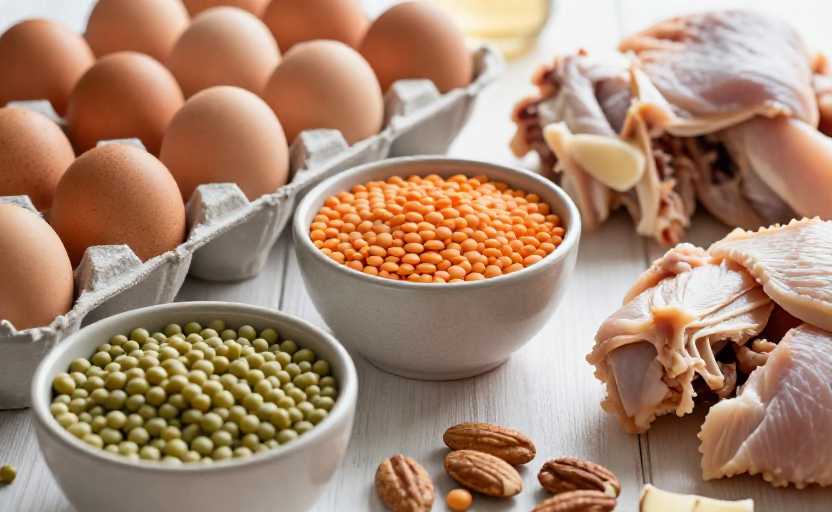
To be honest, I just met a 52-year-old aunt with rheumatoid arthritis in the outpatient clinic last week. She heard from the community health care group that all "foods" will aggravate joint pain. She has not dared to touch fish, shrimp, beef and mutton for half a year, and she only dared to eat half of an egg. This time, her albumin was as low as 32g/L, and she felt dizzy when she walked. When I asked her if her joint pain had been relieved, she shook her head and said whether it hurt or not. She had suffered for half a year in vain.
The controversy about "Fa Wu" has actually been talked about for many years. Traditional Chinese medicine theory does believe that in the acute stage of paralysis, you should try to avoid warm foods such as mutton and lychees to avoid aggravating the symptoms of redness, swelling, heat and pain. However, within the framework of modern evidence-based medicine, as long as you do not have any symptoms after eating There is no need to deliberately avoid foods such as joint discomfort, rashes, and itching - especially patients with autoimmune arthritis such as rheumatoid arthritis and ankylosing spondylitis, who are prone to malnutrition due to inflammation. Enough high-quality protein intake can help stabilize immunity.
Don’t think that high-purine foods are the only thing you should avoid for gout. In fact, many people don’t know that even for ordinary degenerative osteoarthritis, uric acid increased by a long-term high-purine diet will be deposited in the joints, aggravating cartilage wear and tear. I met a 28-year-old young man before who loved to play ball. After every game, he would go out with his friends to drink cold beer. Suddenly, in the middle of the night, the pain in his left big toe made him cry. He took a taxi to the emergency room for a check-up. The uric acid spiked to 680 μmol/L, indicating an acute attack of gouty arthritis. Afterwards, he honestly gave up most of the high-purine foods such as beer, animal offal, and strong broth, and the frequency of attacks was indeed reduced a lot. But that doesn’t mean that gout patients can’t touch any seafood. In fact, it’s perfectly fine to eat low-purine seafood like sea cucumbers and jellyfish occasionally, and you don’t have to act like a scourge.
Another hidden danger that many people don’t notice is refined sugar and trans fat. Two years ago, there was a 16-year-old girl with idiopathic arthritis. Her erythrocyte sedimentation rate and C-reactive protein could not drop every time she was checked. After asking for a long time, she said that she had to drink a cup of pearl milk tea every day, and sometimes she had to add fried skewers. Later, she was asked to stop things like milk tea, cakes, and fried foods. She checked the index again after half a month, and it dropped directly to the normal range. Nowadays, many Internet celebrity anti-inflammatory diet posts say that we should completely quit grains and milk. This is actually quite controversial. European and American functional medicine schools do recommend gluten-free and dairy-free diets to patients with autoimmune arthritis. However, current clinical data in China show that less than 10% of patients are sensitive to such foods. Most people quitting it will not be of any use. Instead, they are prone to lack of B vitamins and calcium, and the gain outweighs the gain.
As for what many old people say about "cannot eat cold food", it varies from person to person. Some patients have a weak spleen and stomach, and even eating iced watermelon in winter can cause diarrhea and joint soreness for several days. Naturally, they should avoid it. ; But there are also some young patients who have no reaction at all when they eat a popsicle or drink a glass of iced Coke in the summer, so there is no need to force themselves.
The advice I usually give to patients is never to make a long list of taboos so that they dare not touch this or eat that. If you really want to find the taboos that suit you, it is better to spend two weeks keeping a simple food diary. If you eat something on a day and your joints feel uncomfortable, write it down. If you match it two or three times in a row, then add this food to the blacklist. After all, eating well and keeping up with nutrition are the most basic foundation for fighting inflammation.
Disclaimer:
1. This article is sourced from the Internet. All content represents the author's personal views only and does not reflect the stance of this website. The author shall be solely responsible for the content.
2. Part of the content on this website is compiled from the Internet. This website shall not be liable for any civil disputes, administrative penalties, or other losses arising from improper reprinting or citation.
3. If there is any infringing content or inappropriate material, please contact us to remove it immediately. Contact us at: