Cervical cancer dietary taboos
There are no dozens of "absolute fasting" lists for patients with cervical cancer in their diet. Currently, the core taboos recognized by the clinical and nutritional circles are only three types of foods that must be avoided and two types of foods that must be eaten with caution. The core purpose of all restrictions is to reduce treatment side effects, reduce the risk of recurrence, and improve body tolerance, without imposing unnecessary shackles on oneself.
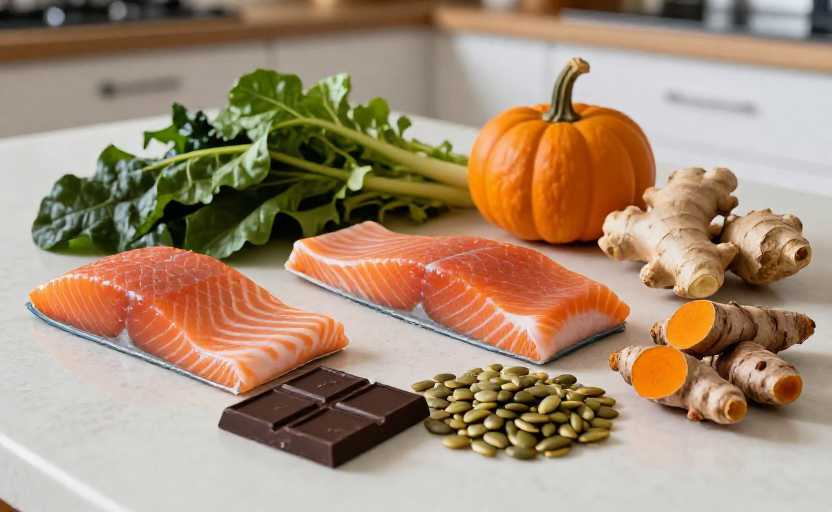
Let’s first talk about the carcinogenic foods that everyone is most likely to fall into. Last year, I met an aunt in the outpatient clinic who had just finished two rounds of chemotherapy. The peanuts sent by her hometown were damp and had green mold on them. The family was reluctant to throw them away, so they peeled off the bad parts and cooked porridge. The aunt drank two large bowls and had vomiting and diarrhea that night. Her white blood cells dropped to 2×10^9/L. The scheduled third chemotherapy was postponed for a week, and she suffered a lot. In addition to moldy food, tobacco, alcohol, and processed meat products (bacon, cured sausages, and smoked meat) are clearly listed in the list of Class 1 carcinogens by the WHO. It is best not to touch them at all during radiotherapy and chemotherapy and 2 years before recovery after surgery. As for those who have been recovering for more than 3 years and usually just like this, there is no need to feel guilty if you take a bite to satisfy your cravings occasionally. After all, long-term emotional depression has a much greater impact on immunity than a bite of bacon. This is also the latest consensus of many oncology nutritionists. There is no need to make dietary requirements into torture.
Oh, by the way, there is another misunderstanding that has been spread all over the world, that is, "you should not touch foods containing estrogen." What you really need to completely avoid are the illegally added estrogen-free health products, such as the "ovarian maintenance oral liquid" and "anti-aging anti-aging pills" sold by Wechat merchants, as well as ingredients with high animal estrogen content such as snow clams and royal jelly. Especially patients with persistent HR-HPV infection and patients whose pathology is adenocarcinoma, try not to touch them. But many people are afraid to drink soy milk and eat tofu. It is really not necessary. The soy isoflavones in soybeans are phytoestrogens and are two-way regulatory components. There have been more than a dozen cohort studies around the world proving that the recurrence rate of cervical cancer patients who often eat soy products is about 12% lower than those who do not eat them at all. Don’t be scared by rumors and don’t even dare to take high-quality protein. As for the question "Can bird's nests be eaten" that Chinese medicine often mentions, there is currently no unified conclusion in the academic community. If you have already bought it at home and you don't feel uncomfortable after eating it, just eat it. If you haven't bought it yet, there is no need to spend this wasted money. The protein of eggs and milk is much more cost-effective than bird's nests.
Another category to avoid are irritating foods that are beyond your tolerance. Not long ago, there was a little girl who secretly ate the spicy Chongqing hot pot during chemotherapy. She developed oral ulcers and stomach cramps that night, and she couldn't even drink water. She lost her appetite easily during chemotherapy. She lost a total of 4 pounds and was scolded by the bedside doctor. But not everyone can’t eat spicy food. If you are from Hunan and Sichuan who don’t like spicy food, it’s perfectly fine to eat some mildly spicy food to whet your appetite during treatment. As long as you don’t have stomach pain or oral ulcers after eating, it’s ok. There is no need to forcefully change your taste for the so-called “recuperation”. Not being able to eat is the biggest problem. The same goes for ice. In summer when it's really hot, it's okay to eat a small popsicle, but don't just eat three or five at a time.
After talking about the categories that must be avoided, let’s talk about foods that you don’t have to give up completely, but you should be more careful about. First of all, high-sugar and high-fat processed foods, such as milk tea, fried chicken, and cream cakes, are not completely forbidden to eat, but don’t eat them every day. After all, obesity has been proven to be an independent high-risk factor for the recurrence of cervical cancer. Especially for patients who are inactive after surgery, gaining weight too fast will put a burden on the body. Occasionally, if you crave a cup of full-sugar milk tea, you don’t have to feel any psychological burden at all, as long as you don’t have one cup a day. The second is raw and cold foods that are not fully cooked, such as sashimi, drunken shrimps, and soft-boiled eggs. This does not mean that seafood is "fat" and cannot be eaten, but these foods are prone to parasites and pathogenic bacteria. Ordinary people may have diarrhea after eating them, but patients during the period of radiotherapy and chemotherapy have low immunity. Once infected, it is easy to develop septicemia, and the risk is too high, but fully cooked fish and shrimps , beef and mutton are all high-quality proteins, so just eat them with confidence - there has always been controversy about "fat". Traditional Chinese medicine may recommend eating less beef, mutton and seafood after surgery. Western medicine has no taboos in this regard. If you really feel itchy or uncomfortable after eating these foods, stop. If there is no problem, just eat normally. There is no need to stick to taboos and cause malnutrition.
I have been in the gynecological oncology ward for almost 8 years, and I have seen too many patients who are bound by the messy dietary taboos on the Internet. Eating every day is like walking on a tightrope. They dare not touch this or eat that. During the final review, their albumin was so low that they needed to be given nutritional solutions. They really couldn't do it. In fact, for patients with cervical cancer, the first principle of diet is to eat well and have balanced nutrition. The second is to eat happily. Don't let a bunch of unfounded taboos become a burden for health care.
Disclaimer:
1. This article is sourced from the Internet. All content represents the author's personal views only and does not reflect the stance of this website. The author shall be solely responsible for the content.
2. Part of the content on this website is compiled from the Internet. This website shall not be liable for any civil disputes, administrative penalties, or other losses arising from improper reprinting or citation.
3. If there is any infringing content or inappropriate material, please contact us to remove it immediately. Contact us at: