Diet taboos after cerebral hemorrhage
There are no "hairy things" that must not be touched after cerebral hemorrhage. The key is to avoid three types of risks - first, foods that can suddenly raise blood pressure in a short period of time, second, eating habits that can increase the burden of blood vessel metabolism, and third, foods that can conflict with the antihypertensive and anticoagulant drugs you are taking. All dietary remedies that claim to "unblock blood vessels" are all IQ taxes, so just block them.
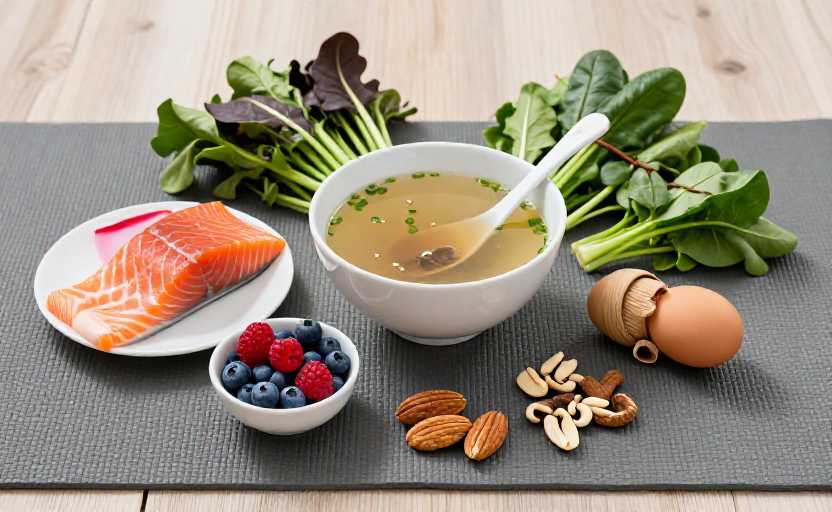
Last year I followed up a 62-year-old patient recovering from cerebral hemorrhage in Shennai. When he was discharged from the hospital, the muscle strength of his left limb had returned to level 4. He could walk downstairs by himself with a cane. However, he stayed at home for less than two weeks and was called back by 120. After asking, he found out that his son was filial piety. Shun, I spent a lot of money to buy a box of red ginseng oral liquid to replenish his body. He drank it for three days in a row. Every morning when he woke up, he felt his head was bloated and he didn't take it seriously. His blood pressure jumped to 185/102mmHg. Fortunately, he was sent to the doctor in time without bleeding again, which was a false alarm.
Many family members have this misunderstanding. They think that a serious illness must be "replenished", but they forget that the core cause of cerebral hemorrhage is blood pressure fluctuations. Foods with strong warming properties such as red ginseng, ginseng, deer antlers, and donkey-hide gelatin may make ordinary people blush and have heartbeats after eating them. For patients with cerebral hemorrhage whose blood vessels themselves are damaged, it is easy for sympathetic nerves to be excited in a short period of time and blood pressure to rise sharply. This is equivalent to directly pressurizing fragile blood vessel walls, and the risk is extremely high. There are also many health-care wines that elders like to make, but you should not touch them directly - alcohol itself will cause blood vessels to first dilate and then rebound, and the blood pressure fluctuations will be more exaggerated than tonics. If the blood-activating medicinal materials such as Panax notoginseng and Salvia miltiorrhiza are added to the wine, if it collides with the anti-platelet and anti-coagulant drugs prescribed by the doctor, the risk of bleeding will directly double.
When it comes to the food we eat every day, many people know that they need less salt, but few actually do it right. I have seen too many family members who add very little salt when cooking, but give patients porridge with soybean curd every day, or put in several spoons of light soy sauce to enhance the freshness. Some families buy ready-made multi-grain noodles and whole-wheat bread for patients. Little do they know that the hidden salt in these "healthy foods" is the culprit that prevents blood pressure from lowering. There used to be an aunt who ate boiled noodles with vegetables every day. Her blood pressure fluctuated around 150/90mmHg for half a month. No matter how she adjusted the medicine, she found out that the so-called "low-salt" noodles she bought had 1.1 grams of sodium per 100 kilograms. Eating two taels of noodles for a meal was equivalent to eating less than half a bottle of salt. Within a week after switching to unsalted noodles, her blood pressure stabilized at 130.
Don't tell me, there is no unified conclusion in the academic circles on whether people with cerebral hemorrhage can eat spicy food and whether they can eat fatty meat. One school of thought believes that spicy food can stimulate sympathetic nerve excitement and increase blood pressure, and saturated fat can aggravate atherosclerosis, so they should be absolutely banned. ; Another group of follow-up studies in recent years have found that as long as the patient has the habit of eating spicy food, instead of suddenly starting to eat spicy food during the recovery period, eating some mildly spicy dishes occasionally can increase appetite and is good for nutritional intake. As for fat meat, as long as the amount is controlled and eaten 1-2 times a week, two or three pieces each time to satisfy the craving, it will not put too much burden on the blood vessels. On the contrary, completely eliminating fat intake will lead to malabsorption of fat-soluble vitamins and affect the recovery of neurological function. My own experience is that there is no need to make the patient's diet look like "cultivation". As long as there is no discomfort after eating, such as bloating or dizziness, and there is no obvious fluctuation in blood pressure, occasionally eating something you want to eat can actually make the patient feel better and be more conducive to recovery.
There is another type of taboo that many people tend to overlook, which is dietary conflicts related to drugs. For example, many patients with cerebral hemorrhage need to take warfarin for a long time due to atrial fibrillation. At this time, it is important to note that foods rich in vitamin K such as spinach, celery, kiwi, and broccoli should not be eaten at all, but the daily intake should be kept about the same. Do not eat a bite today and eat a large plate of spinach tomorrow. Vitamin K is an antagonist of warfarin. If the intake fluctuates too much, the efficacy of the drug will fluctuate, making bleeding or blood clots easy, which will be troublesome.
In fact, after all, the diet after cerebral hemorrhage really does not have as many "red lines" as posted on the Internet. It is nonsense to say that eggs and seafood cannot be eaten. The core principle is just one: stabilize blood pressure, don’t fight with medicine, and feel comfortable after taking it. Don't always focus on the so-called "taboo list" and force patients not to eat this or that. After getting sick, the psychological pressure is great, and then being wronged when eating is not conducive to recovery. If you are really unsure about whether something is edible, try a few bites at a time and check your blood pressure after half an hour. If it doesn't rise or make you feel dizzy or bloated, you can continue eating it next time. It's more reliable than anything else.
Disclaimer:
1. This article is sourced from the Internet. All content represents the author's personal views only and does not reflect the stance of this website. The author shall be solely responsible for the content.
2. Part of the content on this website is compiled from the Internet. This website shall not be liable for any civil disputes, administrative penalties, or other losses arising from improper reprinting or citation.
3. If there is any infringing content or inappropriate material, please contact us to remove it immediately. Contact us at: