The difference between self-healing and self-healing
If you want to explain the difference between self-healing and self-healing in one sentence - there is currently no official unified definition of the two in clinical psychology, but in the general consensus of psychological service practitioners and public practice groups, Self-healing refers to "the end point of repair of specific trauma", and self-healing refers to "the long-term calibration process of life status".」。
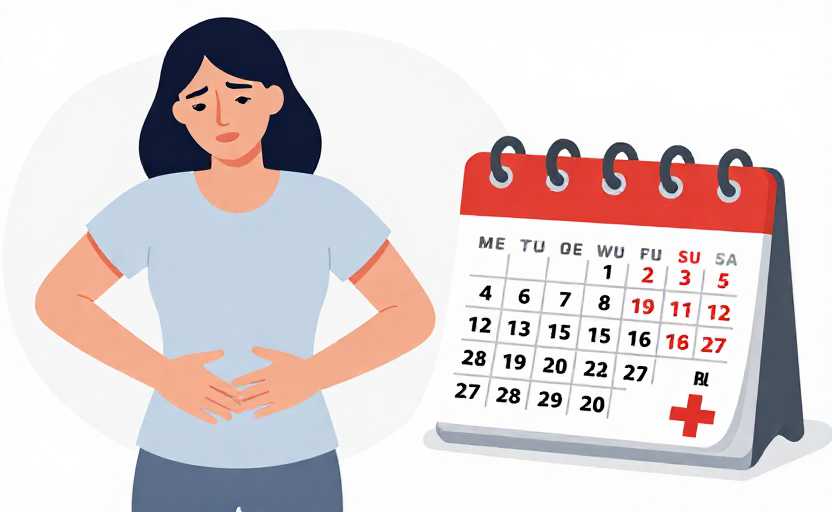
Two years ago, I met a 28-year-old female visitor who was cheated on by her fiancé of five years. After the breakup, she was unable to work normally for three months. She shed tears when she heard the folk songs they used to listen to. She even dared not go to the business district where she used to go even after taking a 20-minute detour. Everything she did during that time: writing an emotional diary to express her grievances, going to regular psychological counseling once a week, and even setting aside a day to go to her previous dates and formally say goodbye to her past memories. The goal of these actions was very clear: to pull out the nail that was stuck in her heart of "betrayal" and clean up the rotten wounds.
When she can finally laugh and hum along to the song when she hears it in the convenience store, can stop by that shopping district and buy a cup of milk tea that she used to love, and even joke with her friends about the time when she was blind, this "self-healing" act will be complete. It has a clear end point: to bring you back from the "impaired state of deviating from the normal track" to the "stable state of normal life", and you can even clearly perceive the arrival of the moment of "recovery".
Hey, you may ask, isn’t this what everyone often calls healing?
Indeed, many mind, body and soul bloggers and even practitioners of some schools of psychology are now accustomed to using the two words interchangeably. Many counselors in the humanistic school actually don’t bother with this terminology difference at all – anyway, as long as you can improve your mental state through self-regulation, it doesn’t matter what your name is. Many academic literature will directly equate the two. After all, they are essentially mobilizing the individual’s inner psychological resources to deal with negative emotions and psychological discomfort.
But if you really come into contact with enough cases, you will find that separating these two concepts can actually help many people avoid detours.
Let’s talk about the girl just now. After she healed her love injury, she slowly found that she couldn’t help but put the needs of the other person first no matter what kind of relationship she was in. When she was a child, her parents always said, "You have to be sensible before someone will hurt you." She realized that the pain after being cheated on this time was not only because of losing this person, but also because of her "pleasant personality" since she was a child, which made her waste herself in this relationship.
What she did next was completely different from before: there was no clear goal of "what to cure", she just spent 10 minutes talking to herself every day. When she couldn't help but want to please others, she stopped and asked "Do I want to do this?", practiced mindfulness yoga on the weekend, went to the northwest for a self-driving trip during the annual vacation, which she had not dared to go before, and even signed up for a pottery class, just to train herself to "don't think about other people's comments, just focus on doing what you like."
This process is called "self-healing." Do you think it has an end? It seems not. You can't always say "I'll be fine when I can no longer please others" - human behavior patterns are developed over decades, and it's normal to be tempted to accommodate others occasionally. As long as you don't feel wronged, it's fine. It's more like a daily calibration: you don't need to wait until something goes wrong or you're injured before you start doing it. You just need to touch your emotions when you're fine. Loosen where you feel tight, take a break when you're tired, and slowly adjust your state to the most comfortable frequency.
I have been a psychological companion for 6 years, and I have seen too many people confuse the two things, causing a lot of anxiety for no reason. For example, someone signed up for a healing salon and asked after one session, “Why haven’t my childhood traumas healed? ”——This is treating healing as a quick fix for a cure. If we use the analogy of growing flowers, self-healing means that your peanut is infected with insects and has rotten roots. You spray pesticides, trim the roots, and repot it to bring it back from a dying state until new leaves appear. This process has clear recovery indicators. ; Self-healing means that you regularly water, bask in the sun, fertilize, shade in the summer and keep warm in the winter, observe its growth and adjust the maintenance methods at any time, so that it will grow well and even bloom. There is no end to this.
Of course, many practical counselors now put forward another view: the two are actually related, and self-healing is just a phased action in self-healing - you must first fill the big holes in your body before you have the energy to make daily fine-tuning. This statement is completely tenable. Terms in the psychological field are not black and white. After all, individual feelings are the core criterion.
To be honest, there is no need to worry about how to define these two words. If you are stuck in a specific hurdle right now, such as a broken love, a job loss, or something bad happened, then just focus on finding a way to get over the hurdle and complete your self-healing first. ; If there are no major disasters in your life, but you always feel that something is a little awkward or a little unmotivated, then slowly adjust and slowly heal is enough.
After all, whether it is healing or recovery, the ultimate goal is not to make one's life more relaxed and happier.
Disclaimer:
1. This article is sourced from the Internet. All content represents the author's personal views only and does not reflect the stance of this website. The author shall be solely responsible for the content.
2. Part of the content on this website is compiled from the Internet. This website shall not be liable for any civil disputes, administrative penalties, or other losses arising from improper reprinting or citation.
3. If there is any infringing content or inappropriate material, please contact us to remove it immediately. Contact us at: