Diet taboos for purpura nephritis
The first is foods that are known to cause self-allergy, the second is common foods that are not yet clearly known to be allergenic but have a high risk of allergy, and the third are foods that will additionally increase the metabolic burden on the kidneys. The rest of the so-called "must not touch" taboo list mostly needs to be dynamically adjusted based on the personal course of disease, allergic history, and kidney function indicators. There is no unified standard answer.
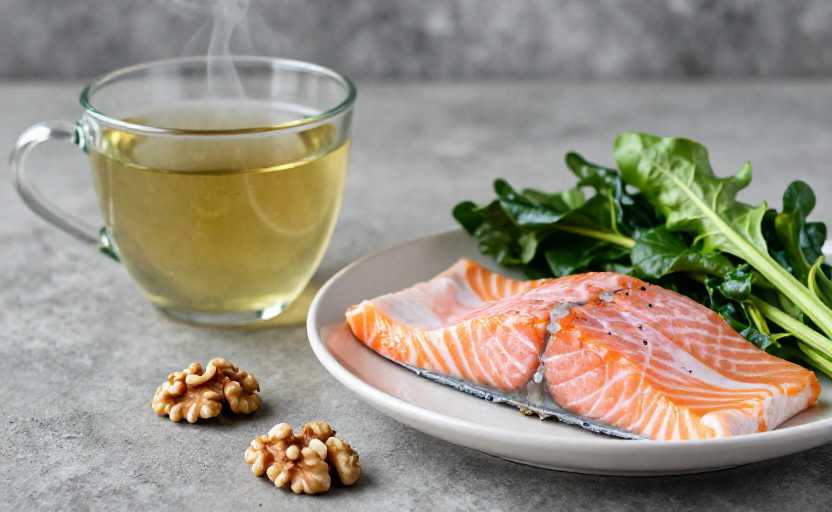
I just met a 16-year-old boy in the clinic last week. Just two weeks after he was discharged from the hospital, his occult blood and urine protein all turned negative. He was greedy and went to eat thirteen-spice crayfish with ice cola with his classmates. The next day, he developed red purpura on his legs. The urine protein test jumped to 2+, and he had to readjust the medicine. Regarding the taboos of such highly allergenic foods, there are currently two schools of clinical opinion: One school advocates avoiding all seafood, beef, mutton, and tropical fruits in the traditional sense within 1 to 2 years after the onset of the disease. After all, purpuric nephritis is essentially a deposition of immune complexes that damages the kidneys. Repeated sensitization triggers immune reactions, which can easily damage the newly nourished kidneys. ; The other group prefers individualization and recommends a complete food allergen test first. As long as the test is negative and no purpura, itching, or gastrointestinal discomfort has occurred after eating before, there is no need to generalize about hunger. I have seen many patients eat small amounts of shrimp for half a year after the onset of the disease. As long as the amount is controlled, the indicators have been very stable.
In addition to the issue of allergy, another core taboo that is easily overlooked is not to add extra work to the already injured kidneys. Just like a newly stitched wound cannot be pulled hard, the damaged glomerulus cannot withstand the erosion of too much metabolic waste. There used to be a 30-year-old programmer who was completely negative for allergens. He felt that he had nothing to avoid. He ate braised meat with cold beer every day, and simmered old hen soup every now and then to replenish his body. After half a month, his creatinine went up by more than 30%, and his calf had a dent every time he pressed it. There is also a misunderstanding that many people have heard here: Many people still think that soy products should not be consumed with kidney disease. In fact, this is an old view more than ten years ago. Now the clinical consensus has been clear that soy protein is a high-quality protein. As long as you are not allergic and your kidney function is at a normal stage, you can eat tofu and drink soy milk. There are no special dietary restrictions. Instead, there are plant protein powders without declared ingredients and health products with the banner of "kidney disease only". Try not to mess with them. I have come into contact with several patients who bought protein powder to replenish their bodies indiscriminately, but their urinary protein levels soared.
There is also a common question about whether spicy food should be avoided. There is currently no unified conclusion: if you are prone to blushing, rashes, and gastrointestinal discomfort when eating spicy food, try not to eat spicy food during the onset of the disease.; If you have been eating spicy food for more than ten years, there will be no abnormality after eating it. There is no need to quit specifically. Being sick is already annoying enough, but if you are not allowed to eat something smooth, a bad mood will affect your immunity and will not be good for recovery. By the way, patients who are taking hormones should be more careful. Hormones can increase blood sugar, and they should avoid high-sugar milk tea, cakes, and candied fruits. Otherwise, the person will get diabetes before the kidneys are well nourished, which will make things worse.
To be honest, I have seen many parents who are too anxious and afraid that their children will relapse. They only feed white rice and boiled cabbage for more than a year. In the end, the children are malnourished and have such weak immunity that they catch colds when they blow the wind, which makes it easier for the purpura to relapse. There is really no need to be so extreme. The taboos are never to cross out one by one from the unified list on the Internet, but to pay more attention to yourself: whether there is new purpura, joint pain, or stomachache after eating something, and see if there is any fluctuation in the indicators during the next review. Your own body's reaction is more accurate than any general guideline.
Disclaimer:
1. This article is sourced from the Internet. All content represents the author's personal views only and does not reflect the stance of this website. The author shall be solely responsible for the content.
2. Part of the content on this website is compiled from the Internet. This website shall not be liable for any civil disputes, administrative penalties, or other losses arising from improper reprinting or citation.
3. If there is any infringing content or inappropriate material, please contact us to remove it immediately. Contact us at: