Food Allergy Nutritional Management
The core of food allergy nutritional management has never been to blindly and comprehensively abstain from allergenic foods, but to avoid risks on the premise of accurately matching the severity of personal allergy, and at the same time make up for the gap through personalized nutrition plans, and ultimately achieve the three goals of "not triggering allergic reactions + meeting nutritional intake standards + minimizing obstacles to long-term tolerance establishment".
Last month, I treated a 4-year-old child with egg allergy. To be on the safe side, my mother banned all egg-containing cakes, salad dressings, and even fried foods battered with egg liquid. She hadn’t touched any related foods for 2 years. As a result, during the physical examination, the child was found to be allergic. Vitamin A, selenium and high-quality protein intake were not up to standard, and he was 1.8 centimeters shorter than the median height for the same age. What was even more pity was that during the food challenge test during the re-examination, it was found that the child was already tolerant to cooked eggs, which meant that he had been abstaining for more than half a year and suffered a nutritional loss.
In fact, the current clinical thinking on nutritional management of allergies is not completely unified. I often talk about this matter with colleagues in different departments. The traditional "absolute avoidance school" advocates that as long as allergens are clearly identified, even trace amounts of cross-contaminated allergens must be completely avoided. This idea is certainly safe enough, and is especially suitable for people who have experienced anaphylactic shock or severe laryngeal edema and IgE-mediated immediate hypersensitivity reactions. group, but the shortcomings are also obvious: long-term strict avoidance is not only easy to cause nutritional gaps, but may also prolong the time for tolerance establishment. Many children with mild allergies can naturally desensitize themselves at the age of five or six. However, if they have been strictly abstaining from allergens, they still react to trace amounts of allergens in their teens. In recent years, the evidence-based approach to "precise stratified management" has become more and more flexible: first, clarify the severity of the allergy through serum-specific IgE testing, skin prick tests, and food provocation tests. Severe cases are strictly avoided. Mild and moderate cases are gradually introduced into tolerance in small doses under the guidance of a doctor or clinical nutritionist. Oral desensitization treatment and nutritional management can even be combined. I now have three children with milk allergies. After using this plan for more than half a year, they can drink milk at room temperature normally.
I have encountered many people who fell into the trap at the first step: they judged themselves as "food allergy" by looking at the symptom comparison chart on the Internet. For example, they said they were allergic to milk when they had diarrhea after drinking milk. In fact, 80% of them are lactose intolerance. There is no need to give up milk at all. Just switch to low-lactose milk or take a lactase enzyme. Some people ban all foods in the same category as soon as they are found to be allergic to a certain food. For example, if they are allergic to peanuts, they will abstain from all nuts and beans. If they are allergic to mango, they will abstain from all tropical fruits. It is completely unnecessary. As long as there is no test to prove cross-allergy, you can try a small amount one by one. Otherwise, you will lose a lot of nutritional sources for no reason, which is a big loss.
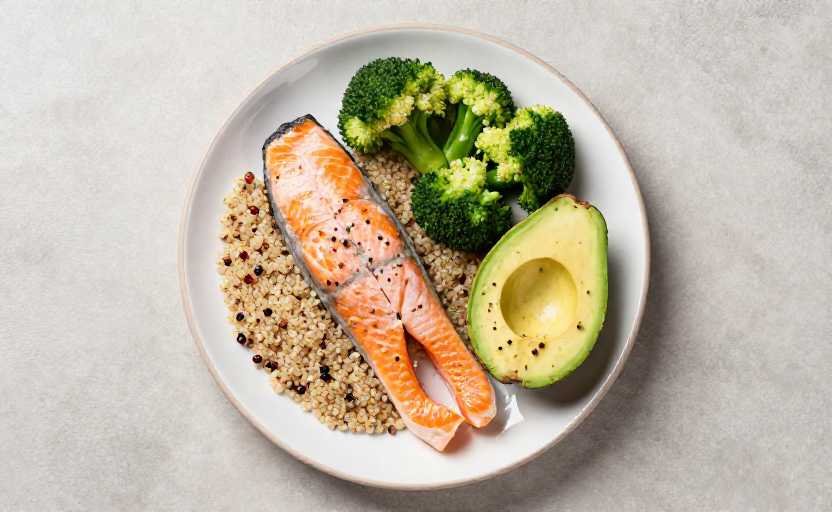
When it comes to nutritional substitution, many people also have fixed thinking: if they are allergic to milk, they only drink soy milk, and if they are allergic to wheat, they only eat white rice. Don’t underestimate the nutritional differences of these alternatives. The high-quality protein content of ordinary soy milk is only half that of cow’s milk, and the content of calcium, vitamin B12, and vitamin D is far lower than that of fortified milk. If ordinary soy milk is given to babies under 1 year old as milk, they will definitely suffer from nutritional deficiencies. There are actually many alternatives available now. Infants can choose corresponding deeply hydrolyzed formulas and amino acid formulas. Those over 2 years old can choose oat milk and soy milk fortified with calcium and vitamin D. Those with wheat allergies can also use mixed beans and grains such as quinoa, buckwheat, and millet. The amino acid profile is much more complete than that of pure white rice and white noodles, and the taste is richer.
Another point that is most easily overlooked is hidden allergens. The ingredient list of prepackaged foods may not contain allergens, but cross-contamination during the actual processing process is difficult to prevent. For example, for mixed nut oatmeal sold outside, the processing line may process peanuts at the same time, and trace residues may trigger allergies. There are also milk tea shops. The fruit tea may be thickened with a small amount of peanut butter, and the soy sauce used for cooking in takeout may contain wheat. I used to have a patient with wheat allergy. He was fine eating it at home, but he got a rash when he ate outside. After a long investigation, I found out that the dark soy sauce in takeout contained wheat. Then every time I ordered takeout, I made a note to use wheat-free light soy sauce and everything was fine.
I have been doing clinical nutrition for so many years, and my deepest feeling is that the nutritional management of food allergies can never be solved with a unified recipe. Some people are allergic to raw tomatoes but are fine with cooked tomatoes, some are allergic to cashews but can eat other nuts, and some people develop allergies as children and grow up. Once you tolerate it, there is no need to copy other people's experience, and there is no need to be overly anxious. Keep an emergency epinephrine pen with you, keep a daily diet record, and regularly review and adjust the plan. Most people can avoid triggering allergies while eating enough nutrition, and there is no need to live a tight life at all.
Oh, by the way, here’s a little reminder: If you are allergic, there is no need to blindly avoid allergenic foods when preparing for pregnancy or during pregnancy. Studies have now confirmed that blindly fasting allergenic foods during pregnancy will increase the risk of allergies after the child is born. Just eat normally. Unless you yourself have a history of severe allergies to certain foods, then you need to deliberately avoid them.
Disclaimer:
1. This article is sourced from the Internet. All content represents the author's personal views only and does not reflect the stance of this website. The author shall be solely responsible for the content.
2. Part of the content on this website is compiled from the Internet. This website shall not be liable for any civil disputes, administrative penalties, or other losses arising from improper reprinting or citation.
3. If there is any infringing content or inappropriate material, please contact us to remove it immediately. Contact us at: