Diet taboos after hysterectomy
Absolutely no food or water is allowed within 6 hours after the operation, and gas-producing and sweet foods should be avoided before passing of gas. Within 3 months after the operation, try to avoid alcohol, a large amount of spicy food, and supplements with added estrogen. For the rest, you can eat normally without excessive dietary restrictions.
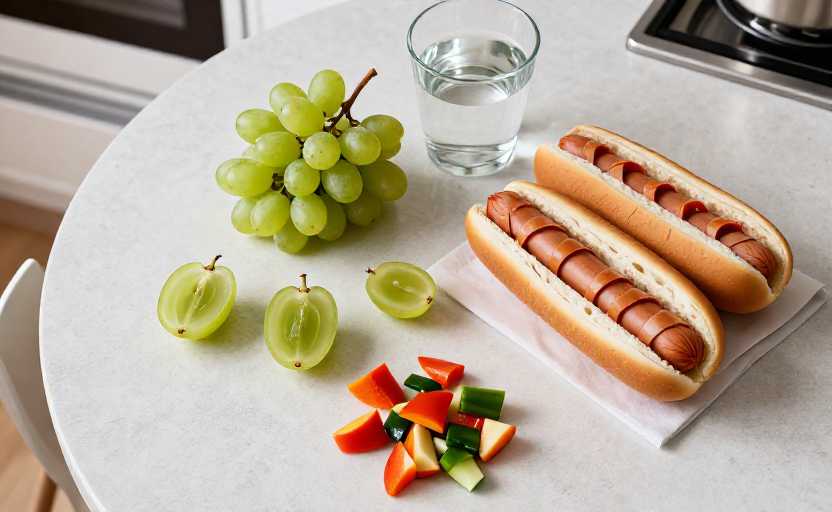
I have been in the gynecology clinic for almost 8 years, and I have seen too many family members helplessly make up for the mistakes. It is ridiculous that they can go around the nurse's station three times. A while ago, a 42-year-old patient with adenomyosis, Sister Zhang, finally decided to have a uterus removed after almost 10 years of pain. She still had no gas on the third day after the operation. The family was anxious to help her breathe, so they made a large bowl of radish and honey water and drank it. However, within two hours, Sister Zhang held her stomach and groaned. Her belly was swollen like a drum.
It’s not that the family members don’t care, it’s that they stepped on the dietary minefield before exhaustion. Radish itself is a food that easily produces gas, and honey is high in sugar. The gastrointestinal motility has not recovered just after the anesthesia, and the gas produced by the fermentation of the food cannot be discharged. It is not a problem. If you really need to replenish energy before passing gas, drink some warm rice soup without rice residue, one or two sips at a time, and don’t add other messy things. When you can pass gas, slowly transition from porridge and soft noodles to normal diet.
Many people start to struggle after being discharged from the hospital: Can they drink soy milk? Can I eat chicken? Are all things with "female" in them not allowed to be touched? In fact, there are some different opinions in the academic circles on this part: the consensus of Western medicine is that if you have a uterus removed because of estrogen-dependent diseases such as uterine fibroids, endometriosis, and endometrial cancer, as long as you still retain your ovaries, try not to use supplements that are derived from animals and have high estrogenic activity, such as royal jelly, snow clams, and purple river cartons. The phytoestrogens content in ordinary soy milk and tofu is very low. Drinking one or two cups a day is perfectly fine and will not cause any problems. ; However, some schools of traditional Chinese medicine suggest that if you have problems with breast hyperplasia and multiple nodules, you can appropriately reduce the intake of soy products in the first month after surgery to avoid aggravating breast swelling and pain. This can be chosen based on your own physical condition and is not an iron rule that must be followed.
Oh, by the way, there is also the most bizarre taboo on "fat food", which is about not eating chicken, seafood, and eggs after surgery. I have actually seen obedient patients who drank white porridge every day for half a month after the surgery, and they didn't even dare to add more salt. When they came for a follow-up checkup, their hemoglobin was only 90, and their faces were as white as paper. The elderly at home said that eggs are hairy things, and eating them will inflame the wound. It’s really dumbfounding. Western medicine doesn’t have the concept of “hair growth” at all. Instead, you need to supplement high-quality protein after surgery. Eggs, skinless chicken, steamed fish, and lean beef are all the best. As long as you are not allergic to what you have eaten before, you can eat it with confidence. It is 10 times more effective than those greasy Laohuo Bu Tang. As for some people who say that their wounds are itchy after eating seafood, that is because the nerve endings are growing when the wounds are healing. They are itchy to begin with, and it has nothing to do with what they eat. Don’t blame food.
Of course, it doesn’t mean that you can completely let yourself go after being discharged from the hospital. Last month, there was a 28-year-old girl who had a hysterectomy for CIN3, and she recovered quickly. Two weeks after the operation, she felt that nothing was wrong with her. She invited her friends to eat spicy Chongqing hot pot and drank two bottles of cold beer. She developed abdominal pain and light red bleeding that night. She was so scared that she went to the emergency room in the middle of the night. Fortunately, after examination, it was found that the vaginal stump was only irritated and congested, so there was no major problem. However, she stayed at home for a week before she recovered. It’s not that you can’t touch spicy food. If you don’t like spicy food, it’s okay to eat a few bites of slightly spicy food to satisfy your cravings after surgery. But if you don’t eat spicy food, don’t overeat it. The same goes for alcohol, which will dilate blood vessels and increase the risk of stump bleeding. You can tolerate it for 3 months, and it’s not too late to drink it again after the stump is completely healed after the reexamination.
There is another point that many people tend to overlook: Many people suffer from constipation after surgery, so even drinking honey water and taking laxatives will not work. When you are constipated, the abdominal pressure will increase, and the stump that has not grown yet will be pulled. If you really can't pull it out, eat more vegetables with strings, such as celery, spinach, or some Kailu, which is much safer than drinking laxatives.
In fact, hysterectomy is a very routine gynecological surgery. Don’t put too much unnecessary psychological burden on yourself. When it comes to diet, just remember the core taboos mentioned at the beginning, and make the rest as comfortable as possible. Keep up with nutrition, keep your mood open, and recover naturally and quickly. I have seen many patients in better condition after surgery than before. Finally, they no longer have to suffer from dysmenorrhea or heavy menstrual bleeding, which is a big burden.
Disclaimer:
1. This article is sourced from the Internet. All content represents the author's personal views only and does not reflect the stance of this website. The author shall be solely responsible for the content.
2. Part of the content on this website is compiled from the Internet. This website shall not be liable for any civil disputes, administrative penalties, or other losses arising from improper reprinting or citation.
3. If there is any infringing content or inappropriate material, please contact us to remove it immediately. Contact us at: